Chinese port projects in Africa:Controlling Trade and Redirecting Chinese Goods
‘Hanging up a sheep’s head but selling dog meat’ The aforementioned is an ancient Chinese saying which evidently highlights the strategic path followed by the Asian Dragon in contemporary world politics. More on the saying later but fi...
Ports hold substantial weights for African continental states and China as well. More than 90 per cent of Africa's economic trade takes place via ports. Apparently, ports are the lifelines of the African economy as well as desperate requirements. For China, it is another tool for thumping its dominance in the international arena as ports are considered to be the third most important pillar for sea power (1). Holistically, China is engaged in more than 100 port projects around the globe. The above mentioned saying becomes significant in understanding the geostrategic needs of China for developing ports in the modern era and the saying also reiterates the techniques adopted. China has undoubtedly mastered the art of deception. The same toolkit is being used by Chinese private or state-owned enterprises in gaining influence in the form of tenders or NOCs. China’s illusion of development and economic boom often lures the African continental nations which usually come out as strategic traps for making these struggling economies dependent on the dragon.
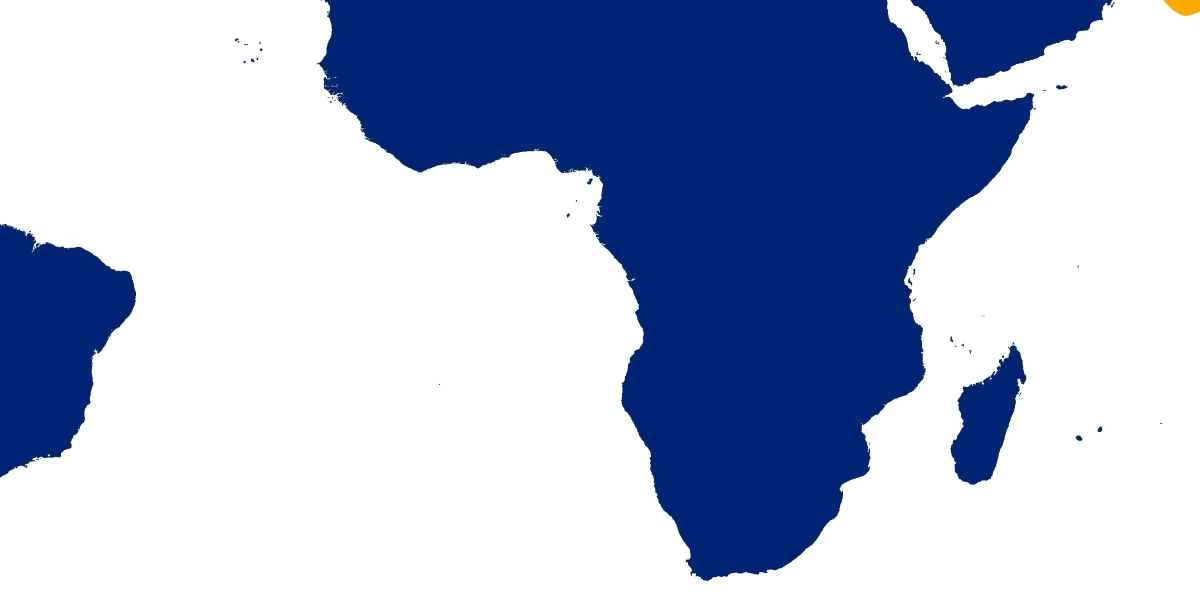
The Belt and Road Initiative (BRI) is the project of the century for China and a dream of President Xi Jinping. China is looking to connect back its historical maritime ties with Africa and the recent development of ports is the delivery of the same commitment. From Djibouti in the east to Equatorial Guinea in the west and the LAPSSET corridor project (between Kenya, South Sudan, and Ethiopia), China is not leaving any state of the continent untouched. Other major countries in which ports are developed or financed or controlled or constructed or mapped by China are Sudan, Djibouti, Tanzania, Mozambique, South Africa, Angola, Republic of Congo, Mauritania, Ivory Coast, Cape Verde, and many more. A study conducted by the Centre for Strategic and International Studies (CSIS) in 2019 identified that 46 sub-Saharan African Ports had China involved in it by one or the other means (financial or construction). This port project diplomacy cum business model of China is a roadmap for its 21st century maritime silk route, which can be evidently called China’s dream but Africa’s debt (A Chinese dream for which Africa is paying). China invested in strategically key location ports from where it could control the economic or commercial supply (Djibouti) and could benefit its military missions (Equatorial Guinea is 6000 miles away from the American Coastline) as well.
The African continent is the second largest and most populous, consisting of more than 50 nations rich with natural resources but is the least wealthy part of the globe due to some geographical impediments plus other man-made hindrances. Africa is the most suitable example of ‘peripheral nations’ if viewed from the lens of World System Theory. The top leadership of African nations often called for the ‘African Century’ but they couldn’t capitalize their ideas into real time infrastructural development. Although Africa's resources have fuelled many engines of colonizers back then and even witnessed heavy casualties in other’s wars, recently it is the fire breathing fire dragon that gave the African Rhino a ray of hope. More than China, Africa needed assistance in its long pending development projects. Ports are the only way for bringing out the African Ship of the economy from its dockyard. China since many years from now has been offering constant billion-dollar assistance packages to various nations of the sub-Saharan region. China often makes luring offers which usually becomes hard to reject. China had been investing and developing ports around the east and west coast plus connecting them with fast railways and highways for a better supply from (and to) hinterlands. It is indeed non-debatable that these ports have doubled the pace of growth for these nations but the implications of these projects are still debated upon and several times faced resistance from civil society.
The ports project financed by China has two broader implications in the international arena. Because of the African port’s geo-strategic location, China has now increased its maritime visibility in the Indian as well as Atlantic Ocean which will eventually become a threat to USA’s (plus likeminded nations) maritime policy. China (under the garb of business) is pushing its long term military agenda. Many experts opined that in case of exigencies between the USA and China, the latter would be equipped enough to make a move against the American territorial region. The increase in the number of ports in Africa can be categorized as a balancing act of China against the USA’s support in the South China Sea (Realist perspective). Subaltern school contemplated that Chinese hegemonic control over African ports and resources is modern day ‘imperialism’ and ‘neo-colonialism’. The PLAN’s (PLA Navy) presence in particular port hosting nations would raise the alarms in neighbouring countries also.
Africa needs to be provided with an alternative to expansionist China’s BRI. Although India, Japan, and Europe are trying to counter China’s port diplomacy, much needs to be achieved along that line as Africa’s economic aspirations cannot also be side lined. Apart from ports, other developmental projects have attracted negative limelight due to alleged privacy invasion by China (Eg- African Union Parliament). Ecological degradation is another cause of concern for many in the sub-Saharan region. In crude economic terms, the trade between Africa-China is not a business of profit for the former because the latter extracted tons of resources and also pushed the former more into its debt.
China is also planning for future and intends to shift its production facility to select African countries so as to manufacture closer to Europe and also evade Rules of origin stipulations and quota system imposed by EU on Chinese products.
Altogether several states and civil society are resisting China's economic-politico invasion but desperately lacking support from the other continents. The Indo-Pacific might be a focal point for contemporary power politics but the African continent would be a causality again in other conflicts.
Bibliography
[1]https://www.sundayguardianlive.com/world/china-expanding-ports-worldwide
[2]https://www.orfonline.org/expert-speak/a-chinese-built-port-in-the-indian-ocean-the-story-of-kenyas-lamu-port/?amp
[3]https://usiofindia.org/publication/cs3-strategic-perspectives/chinas-grand-expansion-in-africa-lapsset-port-project/
[4]https://www.maritime-executive.com/editorials/is-china-using-africa-to-shape-a-new-global-maritime-order
[5]https://www.scmp.com/news/china/diplomacy/article/3129966/china-looks-recreate-ancient-silk-road-network-african-ports
[6] Rose Anthony, Infrastructure and Influence: China’s presence on the coast of East Africa
Pic Courtesy-IDSA GIS lab.
(The views expressed are those of the author and do not represent views of CESCUBE.)

Devesh singh is a Post Graduate in Political Science. He is a quiz enthusiast. His research interests include India's foreign policy, Indian polity, Security and Diplomacy. He is presently research intern with CESCUBE.