
Latest News
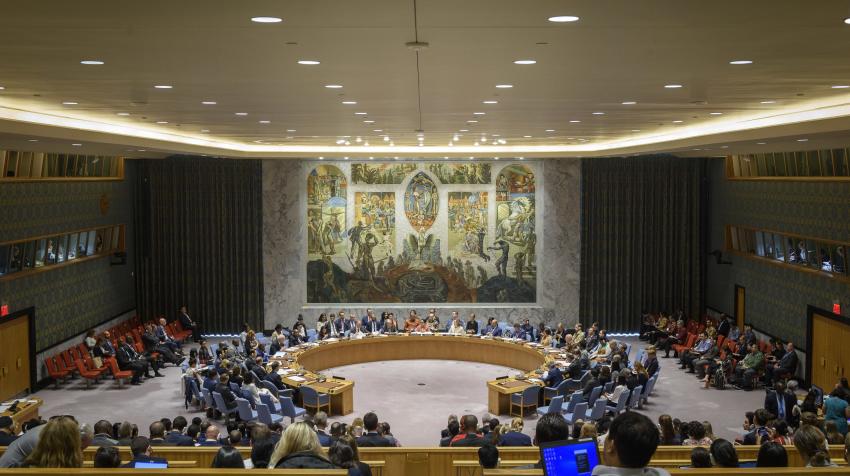
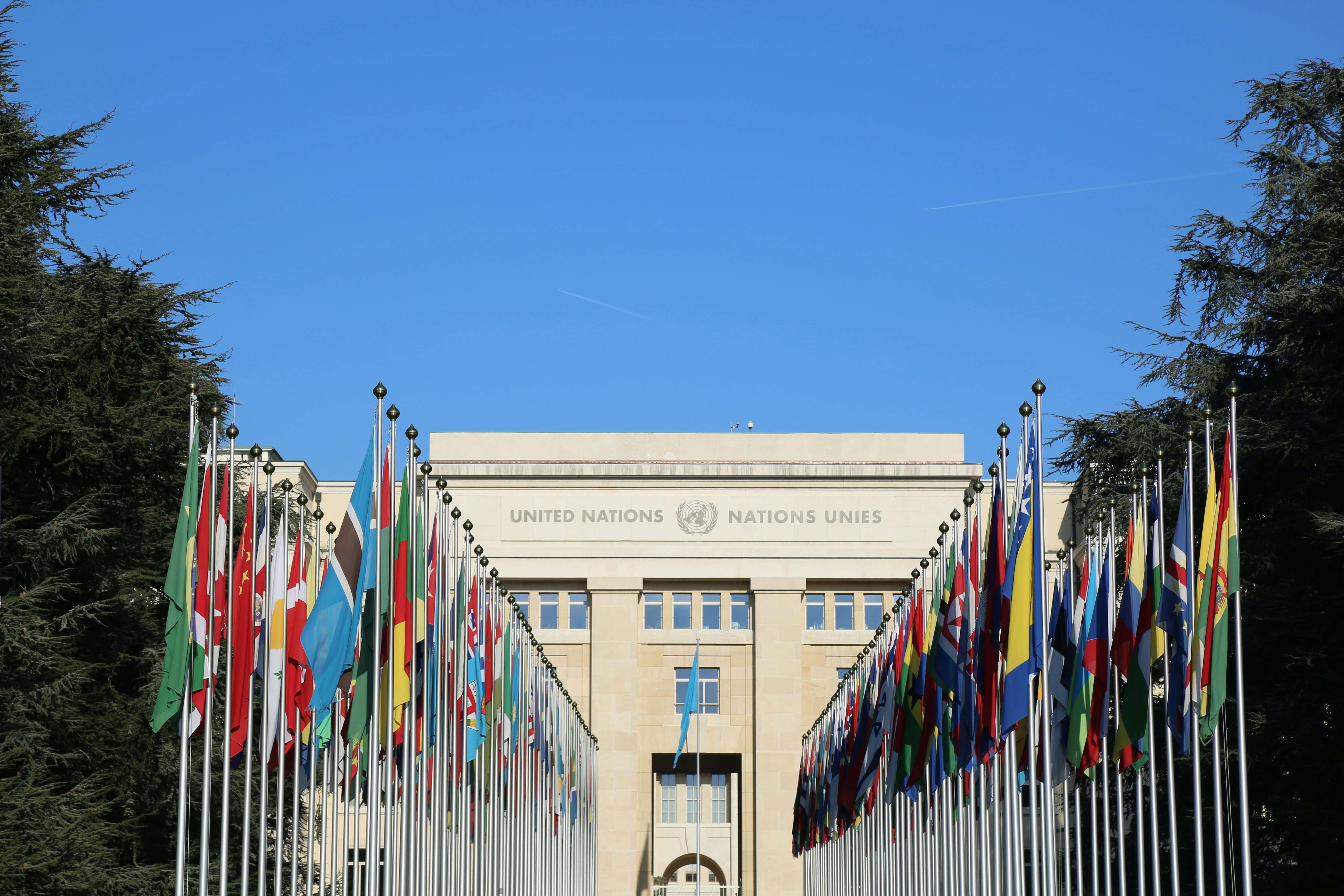
The “eclipse of the state” theory suggests that, in the globalised world, a world that is characterised by economic integration, technological advancements, and the rise of non-state actors, the authority and the sovereignty of the state has diminished. Susan Strong, in her influential work, “...
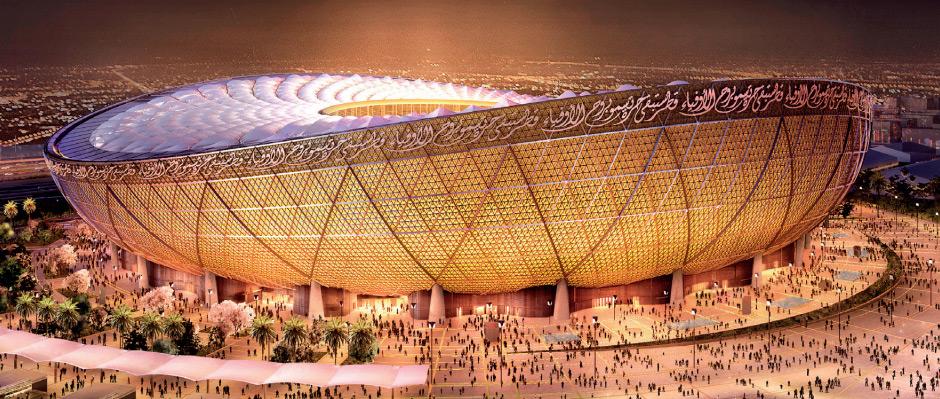
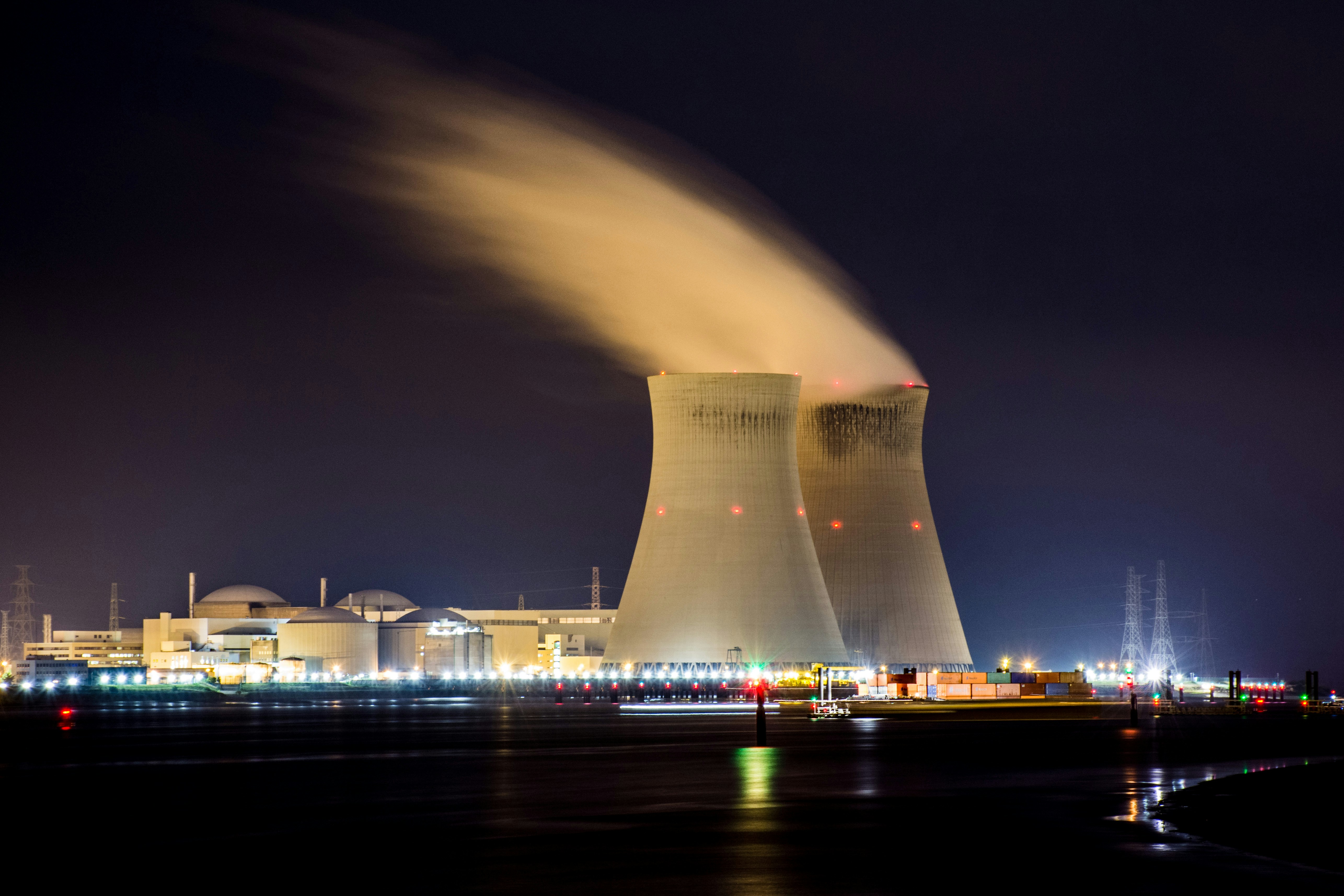
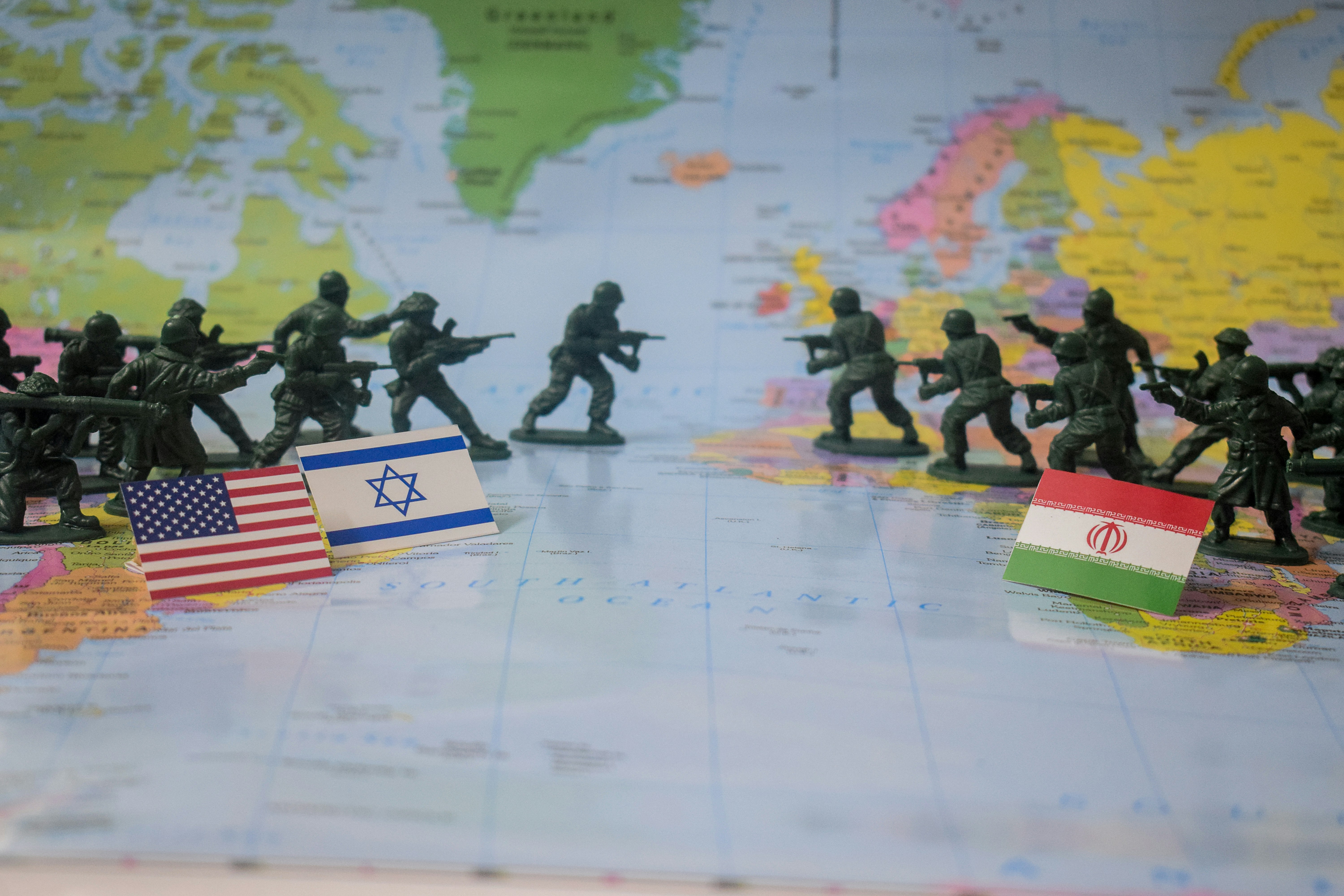
The contemporary European security architecture is navigating a period of profound transformation characterized by the re-emergence of high-intensity interstate conflict on the continent and the onset of what scholars identify as the third nuclear age. This new era is defined by systemic great power...
From Grey Zones to Full Spectrum Conflict: Technological Acceleration and Global Strategic Stability
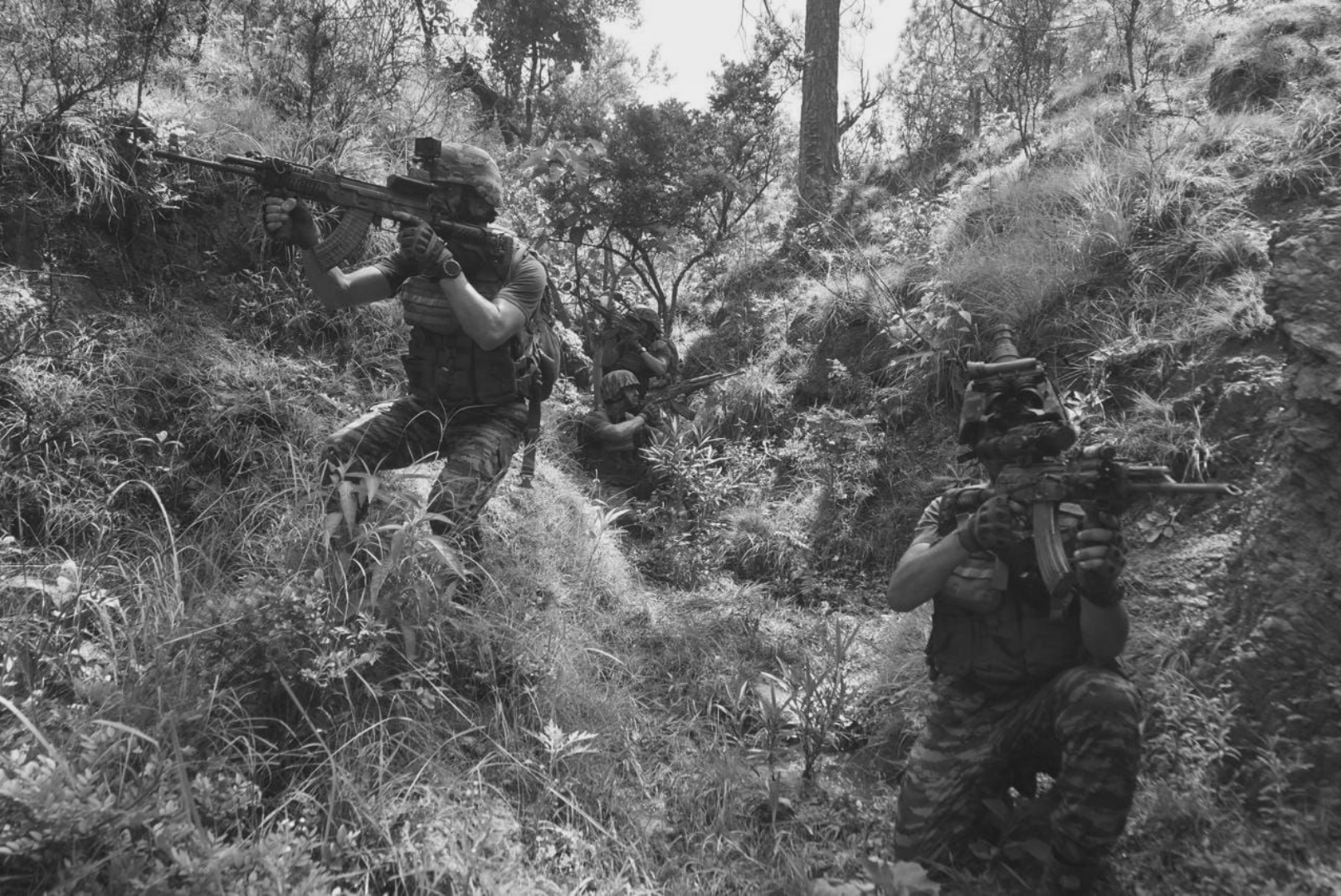
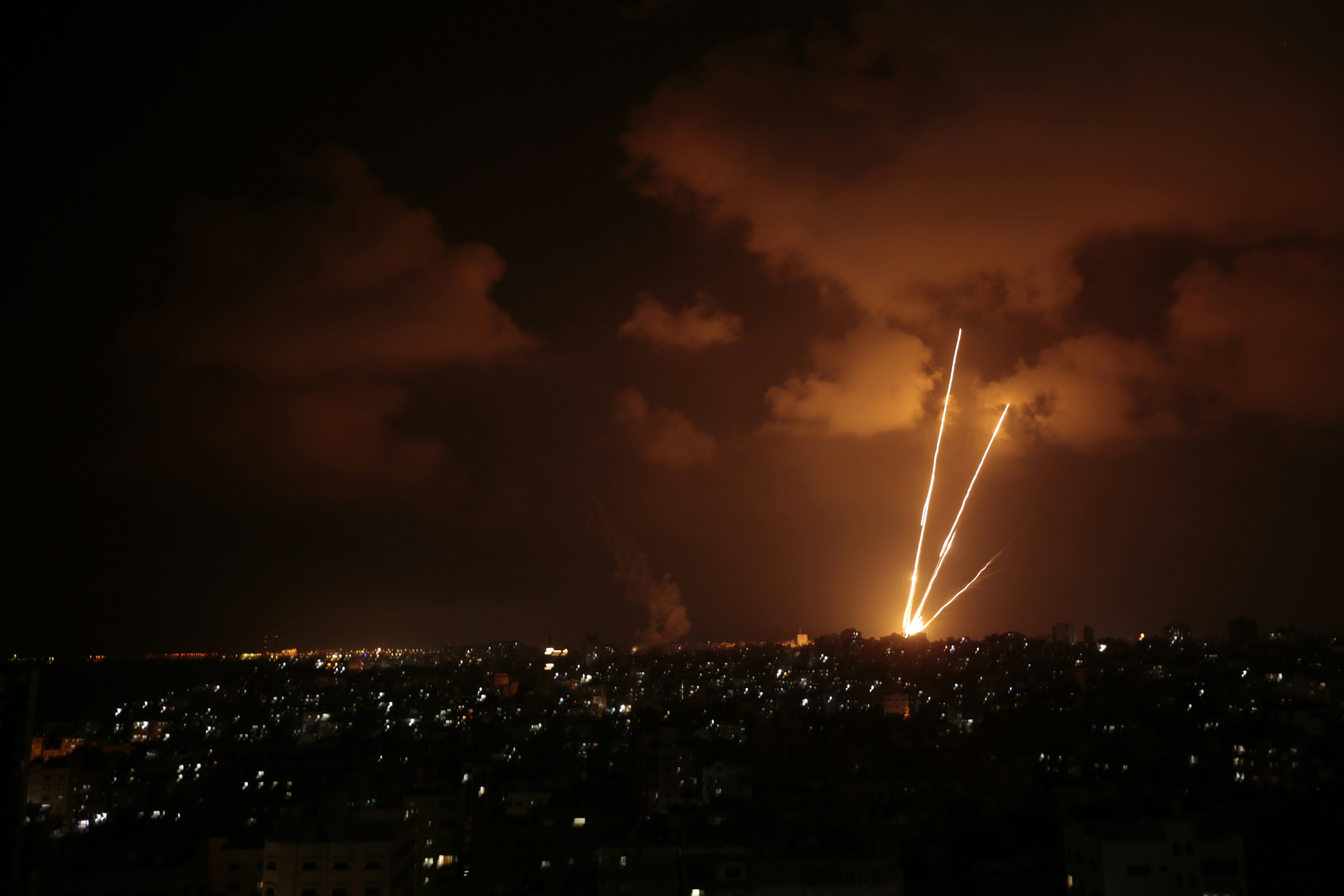
The contemporary geopolitical landscape is increasingly defined by conflicts that deliberately evade formal declarations of war, operating instead in an ambiguous domain known as the grey zone. The United States Intelligence Community assesses that through 2030 the global security environment will b...
The Indo-Pacific has emerged as the central theatre of contemporary geopolitics, linking the Indian and Pacific Oceans and encompassing some of the world’s most economically dynamic and strategically significant states. This article examines the historical evolution and growing strategic importanc...
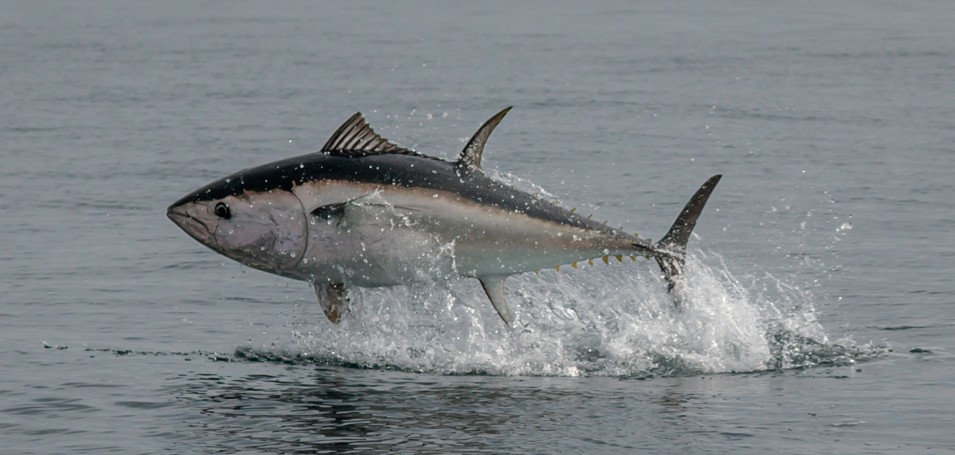
Tuna fisheries play a critical role in the global blue economy, supporting food security, coastal livelihoods, and international seafood markets. Effective governance of these highly migratory species requires a deeper understanding of the oceanographic processes that shape their distribution. This ...
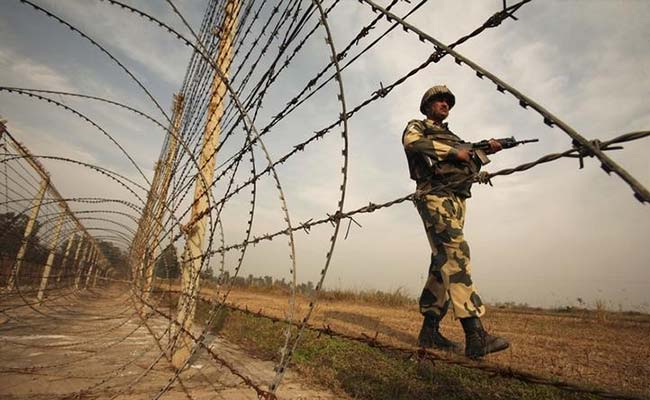
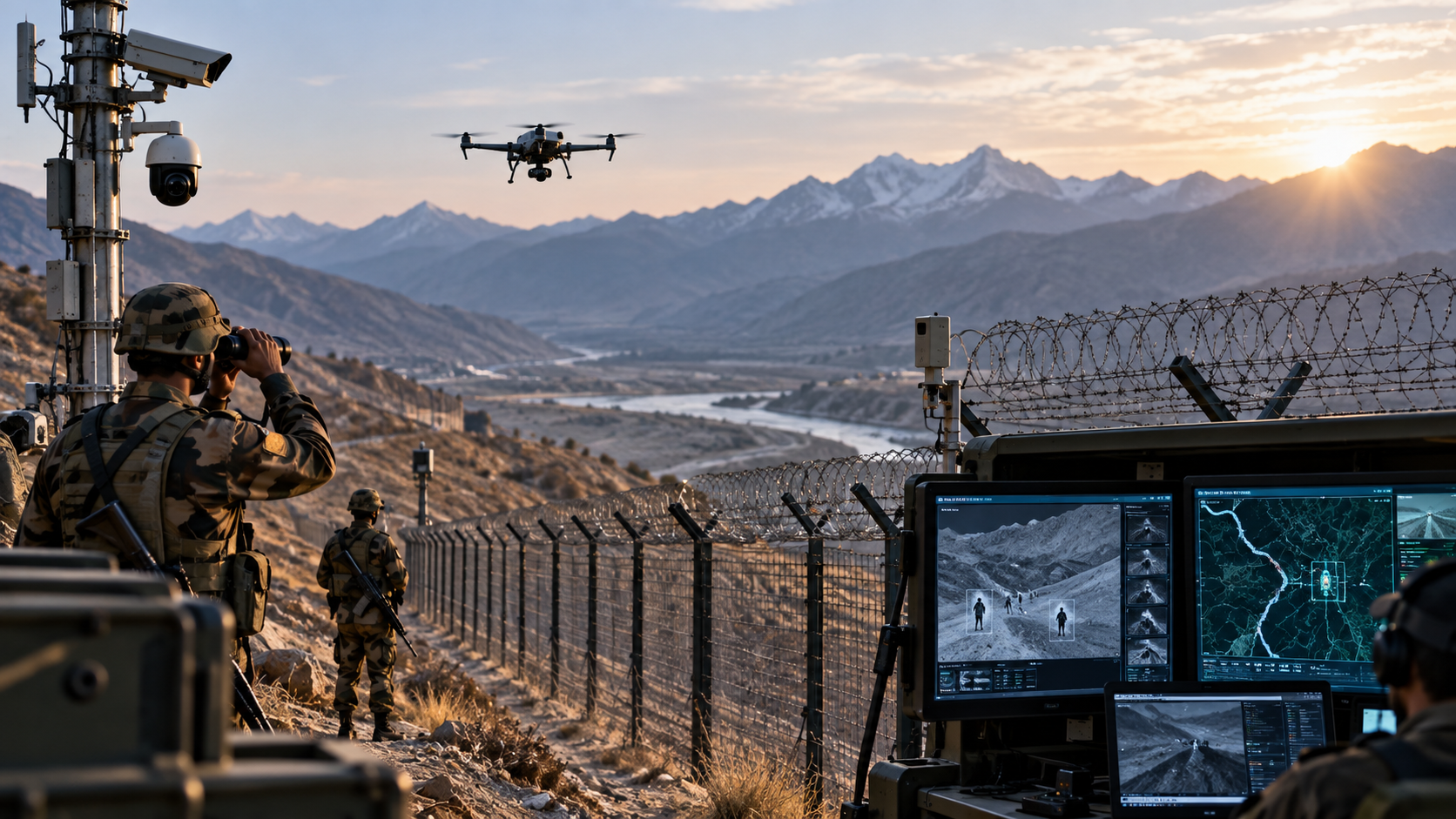
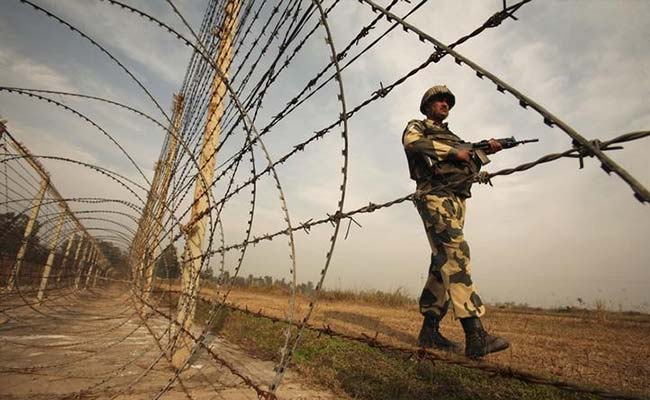
Low-intensity conflicts (LICs) have become a persistent feature of South Asia’s security landscape, operating below the threshold of conventional warfare while sustaining long-term instability across the region. This article examines the role of non-state actors (NSAs), including terrorist organis...