International Solar Alliance : India and the World
The International Solar Alliance is a unique treaty based intergovernmental efforts to work towards a sustainable energy to harness a global market system to reap benefits of solar energy and promote application and to use clean energy. Wit...
The ISA framework, which was first circulated in 2016 in order to gain support from other nations, focuses on providing economic benefit to all countries through cooperation. The ISA's main initiatives are aimed at facilitating the implementation of solar technologies through facilitating activities, risk mitigation, and new finance mechanisms. ISA is developing a solar project pipeline with a capacity of nearly 5 GW in order to realise the vision of interconnected global grids that the UK and India jointly launched as the "Green Grids Initiative – One Sun, One World’. The United States joined the steering committee of the "One Sun One World One Grid" initiative, which also includes Australia, France, the United Kingdom, and India, during COP26. World, One Grid" during the COP26 world leaders' summit in Glasgow on November 2. The International Solar Alliance (ISA) has a global mission to accelerate solar growth through lowering the cost of financing and technology. It assists large countries in scaling up worldwide commitments while also supporting economically vulnerable countries in developing a self-sustaining energy substitute that lowers trade dependency and stimulates job development.
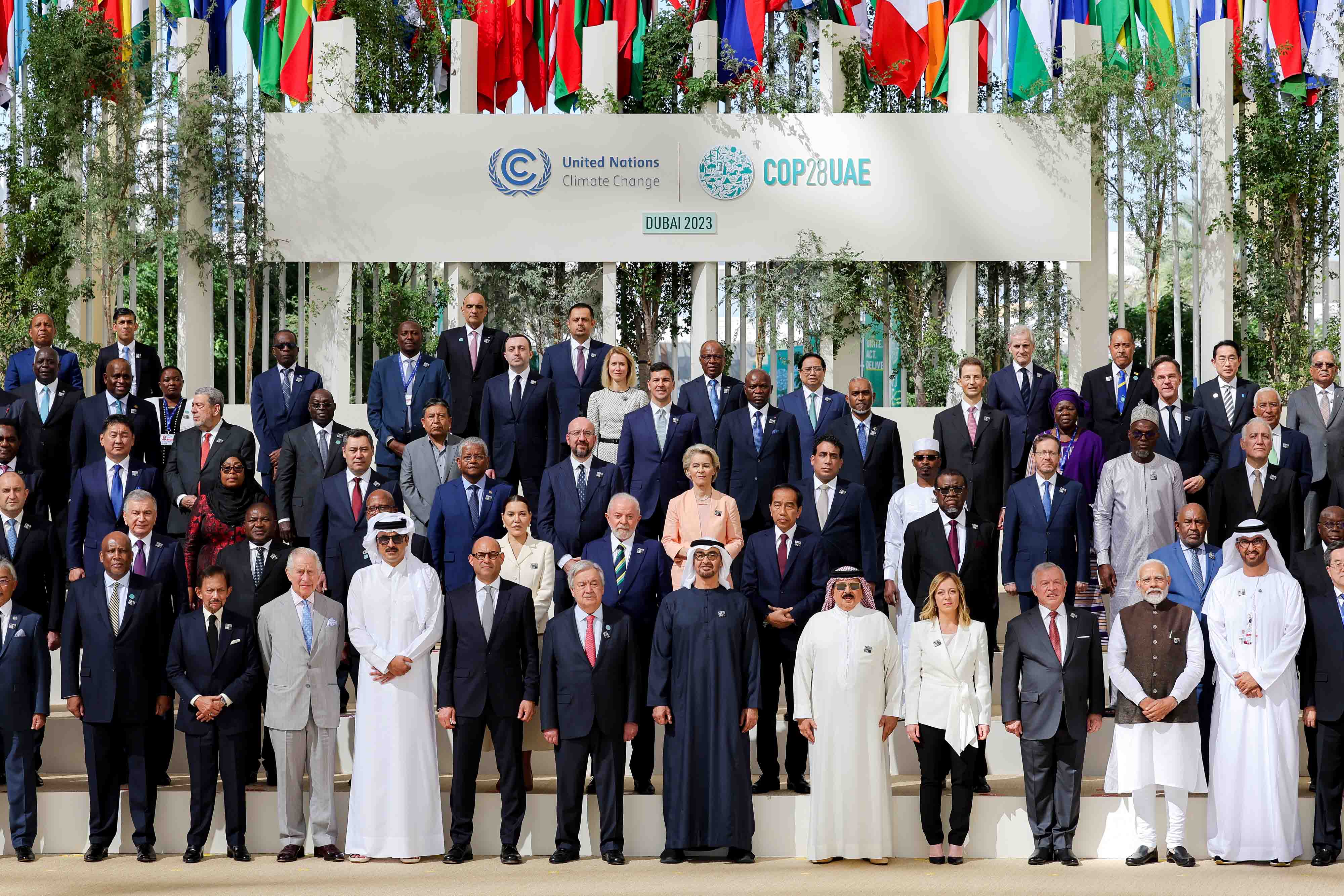
The International Solar Alliance (ISA) has been granted Observer Status by the United Nations General Assembly, a historic decision that India claims would assist establish a well-defined relationship between the Alliance and the UN that will promote global energy development and growth. In just six years, the ISA has established itself as a model for how positive global climate action may be advanced through collaboration. ISA provides a dedicated platform for collaboration among governments, international organizations, industry, and other stakeholders in order to achieve a common purpose. The General Assembly's decision to grant ISA Observer Status might help to ensure frequent and well-defined interaction between the Alliance and the UN, which would boost global energy growth and development. Amid this, US Special Presidential Envoy for Climate John Kerry signed the ISA framework agreement to catalyze global energy transition through a solar-led approach, making the US the 101st member country of the India-led International Solar Alliance (ISA). As he formally signed the framework agreement at the COP26 climate meeting in Glasgow, Kerry praised the US membership as a key step toward the rapid deployment of solar power.
Furthermore, With the introduction of a new Green Grids Initiative connecting different regions of the world at the United Nations (UN) COP26 climate summit in Glasgow, India and the United Kingdom are ready to strengthen their International Solar Alliance (ISA) collaboration. The new Worldwide Green Grids Initiative - One Sun, One World, One Grid (GGI-OSOWOG) is a development of the International Solar Alliance's OSOWOG international initiative to promote interconnected solar energy infrastructure on a global scale. The International Solar Alliance (ISA), spearheaded by India, and the United Nations Framework Convention on Climate Change (UNFCCC) signed a memorandum of understanding on Friday at the COP26 climate summit in Glasgow, concurred to work collaboratively and support countries in implementing effective national climate action in line with global efforts. The World Solar Bank (WSB) will be launched by the International Solar Alliance (ISA) at the United Nations Climate Change Conference in Glasgow in November, this is a positive move that will help India maintain its leading position in the climate change arena. Prime Minister Narendra Modi restated the massive aim of establishing OSOWOG, or an international electrical grid, supplying solar power across the globe in his Independence Day address last year. The PM first mentioned the notion in 2018 at the first session of another international organization, the ISA.
There is immense hope regarding International solar alliance and Indian government dealing with it categorically, the ambitious project has the capacity to change the life of the 800 million people globally. R K Singh, a union minister, said the world should unite to support the International Solar Alliance (ISA), which has the potential to offer electricity to 800 million people throughout the world. "It is more vital to solve the problem of energy access than it is to solve the problem of energy transition." For those who do not have access to energy, the energy shift is worthless. The ambitious ‘One Sun, One World, One Grid (OSOWOG) project, started its first phase from the South Asia. The project will enable the South Asian network and transfer of power between India, Nepal, Bhutan and Bangladesh. World become the part of this initiative signed a tripartite agreement with ISA and Ministry of new and renewable energy (MNRE) for implementing OSOWOG.
Following the Nonaligned Movement, ISA is a common platform that promotes a cohort strategy for south-south collaboration. Its main goal is to provide a multilateral platform for solar power generation, allowing poor countries to demonstrate their commitment to climate change concerns. Nonetheless, a large portion of the world's population is reliant on agriculture, which is inevitably influenced by climate change. Further efforts should be focused on setting a framework for all prospective instruments of cooperation and coordination by uniting common geography, mutual economic concerns, and a shared vision for a sustainable future, as India appears to be the initiative's leader, similar to its leadership role during the Cold War.
Notes -
· International Solar Alliance: https://isolaralliance.org/
· International Solar Alliance: https://isolaralliance.org/membership/countries
· International Solar Alliance: https://isolaralliance.org/work/osowog/
· International Solar Alliance | Ministry of New and Renewable Energy, Government of India: https://mnre.gov.in/isa/
· Observer Status granted to International Solar Alliance - The Hindu: https://www.thehindu.com/news/international/observer-status-granted-to-international-solar-alliance/article37927868.ece
· International Solar Alliance: One Sun One World One Grid | NRDC: https://www.nrdc.org/experts/anjali-jaiswal/international-solar-alliance-one-grid-energy-access
· US joins India-led International Solar Alliance as member country - The Economic Times: https://economictimes.indiatimes.com/industry/renewables/us-joins-india-led-international-solar-alliance-as-member-country/articleshow/87632201.cms
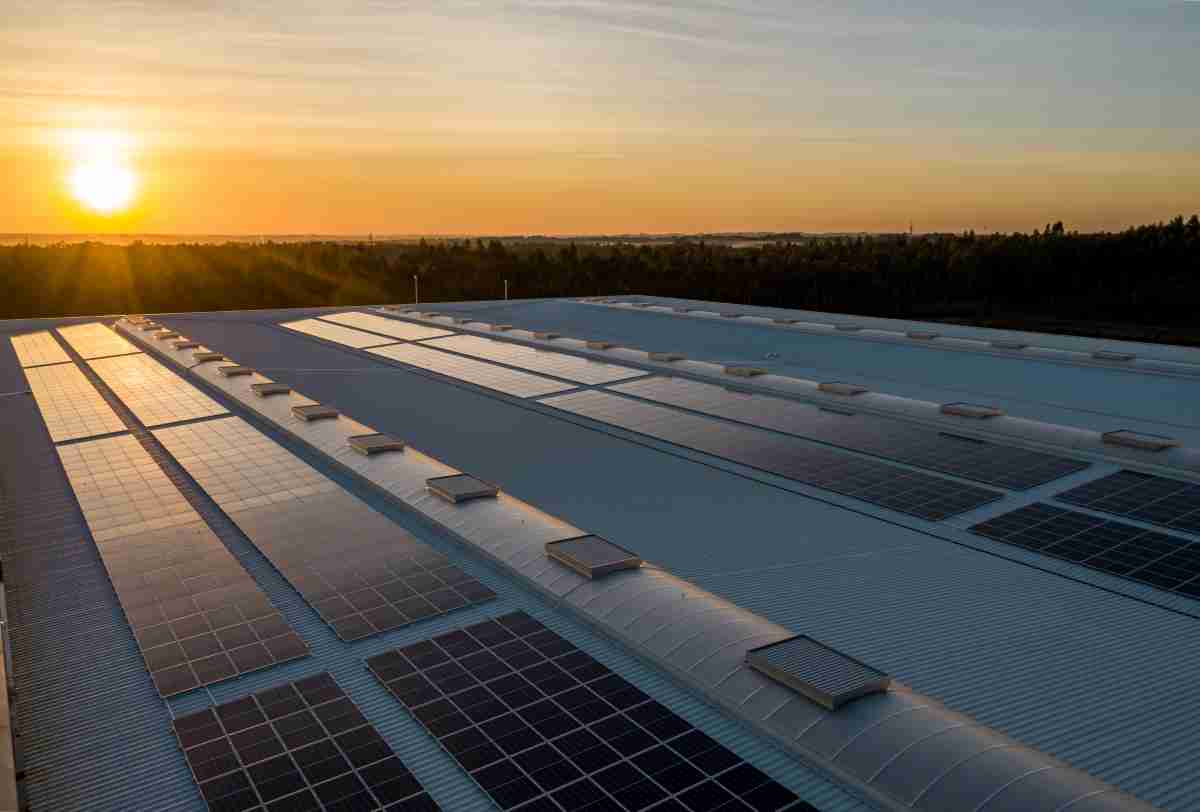
Pic Courtesy-Nuno Marques at unsplash.com
(The views expressed are those of the author and do not represent views of CESCUBE.)

Gaurav Sen is a graduate from Delhi University. He is currently doing his Masters in International relations from Jawaharlal Nehru University, New Delhi. His research area includes IR theories, Great Power competition in Indo-Pacific, Maritime Security, Emerging Warfare Concepts, and Military Strategies.