How global oil prices would impact global economic recovery?
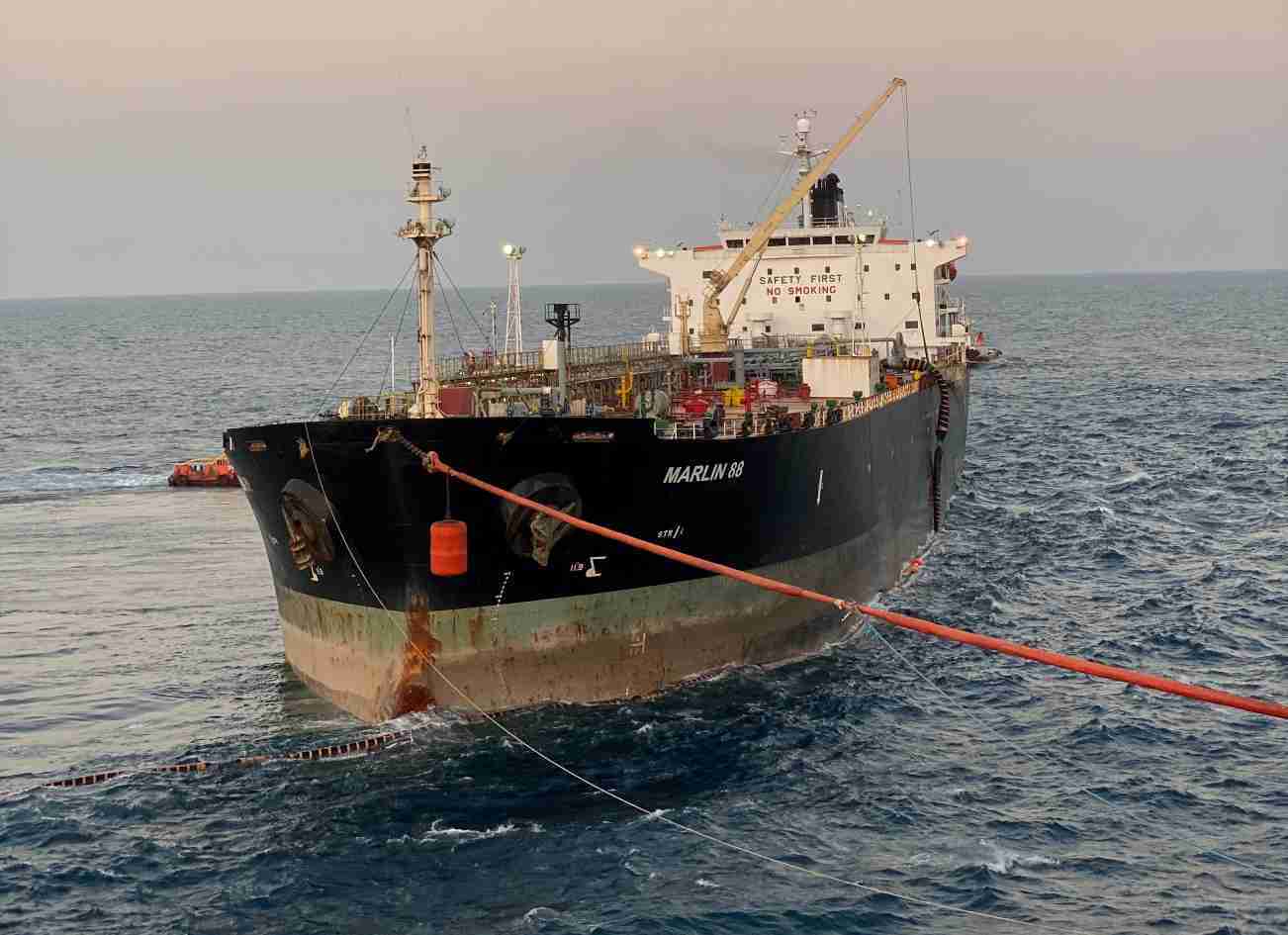
Oil, which accounts for approximately 3% of global GDP, is regarded as one of the most important commodities in the world, as it powers everything from everyday items such as crayons, credit cards, paints, and pens to high-end items such as...
According to UKOG Energy for Britain, oil is the lifeblood of industrialised nations. (Why oil is important?, n.d.) But the continuous global disruptions over the last few years have made this essential commodity extremely costly. Oil prices even reached $100 per barrel in the last year.
In this context, the article attempts to shed light on the factors that have led to an increase in oil prices. The article's subsequent focus will be on how the recovery of the world economy will be impacted by the rising price of oil.
What is causing the spike in oil prices?
?Role of OPEC and OPEC+
The Organization of Petroleum Exporting Countries' (OPEC) crude oil production is the most important factor that has affected and will continue to affect oil prices. However, before proceeding, one could wonder, what are OPEC and OPEC+? How do they affect the price of oil globally?
The Organization of Petroleum Exporting Countries (OPEC) was founded in Baghdad in 1960 by Iraq, Iran, Kuwait, Saudi Arabia, and Venezuela. The organization's stated mission is to "coordinate and unify petroleum policies among member countries in order to provide fair and stable prices for petroleum producers; an effective, economical, and regular supply of petroleum to consuming nations; and a fair return on capital to those investing in the business." (Brief history of OPEC , 2022)The organisation currently has 13 members. But in 2016, OPEC joined forces with other countries that also produce oil to create OPEC+. The ten nations that make up OPEC+ at the moment include Mexico, Oman, Kazakhstan, and Russia.
The answer to the second question is that OPEC member countries produce approximately 40% of the world's crude oil and export approximately 60% of the total petroleum traded internationally. Because of its market share, OPEC's actions can and do have an impact on global oil prices. It has historically been observed that whenever OPEC reduces oil production, global oil prices rise. This is exactly what is happening right now. Global oil prices skyrocketed as a result of OPEC+'s decision to reduce production in October 2022 by 2 million barrels per day.
Russia-Ukraine war
The next leading reason for rising oil prices is the Russia’s war on Ukraine. Though the Oil prices were rising globally even prior to the full escalation of the war. However, when Russia attacked Ukraine, the price of crude oil in the global market skyrocketed from around $76 per barrel at the start of January 2022 to over $110 per barrel on 4 March 2022. (GEP, 2022) Further, to counter Russia, EU and the US have also imposed numerous sanctions on Russia including individual sanctions, economic sanctions, price cap and visa measures.
Reduced investment in expansion of refining capacity
Another factor contributing to increased oil prices is the recent decline in investment in refining capacity expansion. According to IIFL Securities, crude oil must be processed before it can be used in automobiles as gasoline or diesel. However, when the pandemic-induced recession hit the countries in 2020, several refineries were forced to close. Many people expected them to reopen after the lockdown was lifted, but not all of them have. Furthermore, when the pandemic struck and demand for oil fell during the recession, existing refineries suffered significant financial losses. A significant investment is required to revitalise these refineries, but unfortunately, a lack of investment is still hampering their renewal and, as a result, the rise in oil prices.
How will rising crude oil prices impact the global economic recovery?
Oil Minister Hardeep Singh Puri stated in 2021 at the India Oil Forum that “global economic recovery can be undermined if energy costs remain high. That applies to industrial democracies as well as developing nations like India.” His assertion is increasingly becoming a reality as oil prices continue to increase and the post-pandemic global economic recovery, which was supposed to occur quickly, proceeds at a glacial rate.
Impact on Inflation
According to Investopedia, crude oil is a major economic input; therefore, an increase in oil prices directly adds to inflation, which gauges the overall rate of price increases across the economy. (Lioudis, 2022) In addition to this direct effect, increasing oil prices also indirectly raise inflation. This is due to the fact that crude oil is a crucial component of the petrochemicals needed to create plastic. As a result, more expensive oil tends to raise the price of many plastic-based products, such as gadgets, cookware, and so on.
Impact on Energy Prices
Though energy costs began to rise in 2021 when pandemic lockdowns were lifted, Russia's war in Ukraine has pushed the price of oil considerably higher. According to Green Match, between the first half of 2021 and October 2022, the average price of household energy soared by 114% across 22 European nations. (Wark, 2022) The same is true for Asian nations; for instance, Sri Lankans often wait kilometres in line to fill up their gas tanks, and Bangladeshi stores close at 8 p.m. to save energy. Similar to this, the Pakistani government has decided that in an effort to conserve energy, markets and restaurants will shut down at 8.30 p.m. and 10 p.m. local time.
The top five oil exporters, according to the table, are Saudi Arabia, Russia, Iraq, Canada, and the United Arab Emirates, while the top five oil consumers are the European Union, China, the United States, India, and Japan. The World Economic Forum states that rising oil prices are a zero-sum game since they hurt countries that import oil while benefiting those that export it. As a result, profit disparities across nations emerge.
Aside from that, soaring oil costs have wreaked havoc on countries' balances of payments, causing current account deficits to balloon and restricting economic growth. This suggests that, at least for the time being, the global economic recovery will be hampered by rising oil prices.
References
- Brief history of OPEC . (2022). Retrieved from The Organization of the Petroleum Exporting Countries : https://www.opec.org/opec_web/en/about_us/24.htm#:~:text=OPEC's%20objective%20is%20to%20co,those%20investing%20in%20the%20industry.
- GEP. (2022, July 05). RUSSIA-UKRAINE WAR’S EFFECTS ON THE OIL AND GAS INDUSTRY. Retrieved from GEP : https://www.gep.com/blog/mind/russia-ukraine-wars-effects-oil-and-gas-industry
- Lioudis, N. (2022, May 05). What Is the Relationship Between Oil Prices and Inflation? Retrieved from Investopedia : https://www.investopedia.com/ask/answers/06/oilpricesinflation.asp#:~:text=Cause%20and%20Effect,-Energy%20accounted%20for&text=In%20addition%20to%20that%20direct,petrochemicals%20used%20to%20make%20plastic.
- Wark, C. (2022, November 14). European Energy Prices Increase up to 500% Compared to Pre-crisis Levels. Retrieved from Green Match: https://www.greenmatch.co.uk/blog/energy-prices-europe
- Why oil is important? (n.d.). Retrieved from UKOG Energy for Britain : https://www.ukogplc.com/page.php?pID=74
Pic Courtsey-Adhia Huza at unsplash.com
(The views expressed are those of the author and do not represent views of CESCUBE.)

Neha Dayma has recently completed her Masters in Politics with Specialization in International Studies from Jawaharlal Nehru University. She is a political science graduate and also a current intern at Online Foreign Policy School. Her areas of interest include South- East Asia, West Asia, geopolitics, Indo- Pacific and India's foreign policy.