Fake Currency, Dhurandhar and Demonetisation: Cinema, Covert Economies and India–Pakistan Faultlines
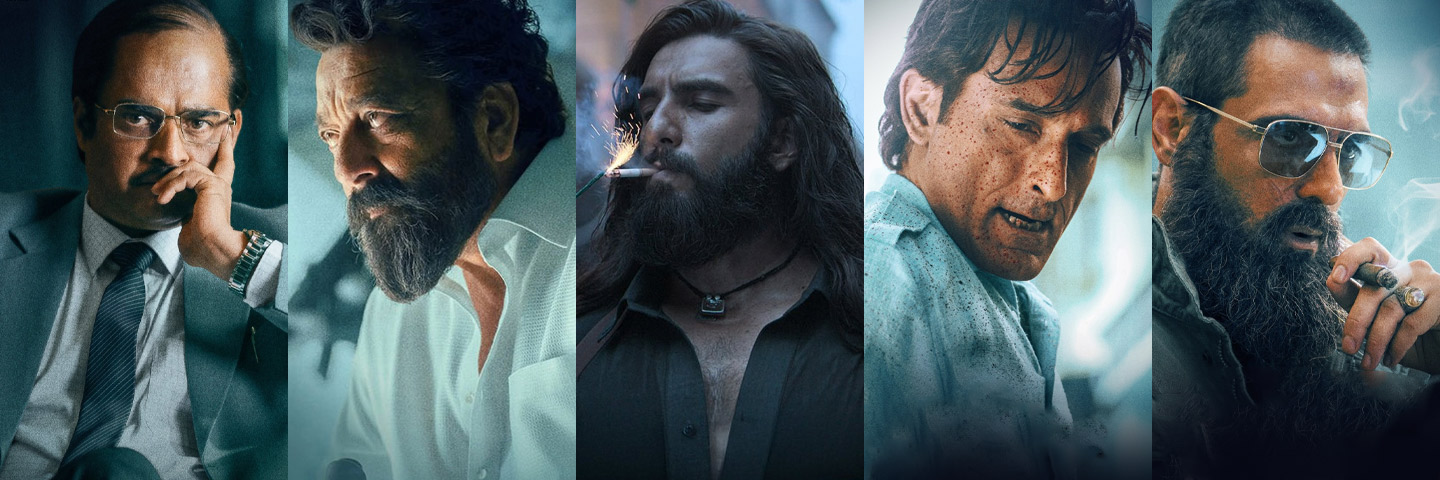
When Dhurandhar came out in December 2025, it stirred up strong feelings about politics. The movie was advertised as an exciting spy story, with fake money as its central theme. Instead of being shown as a small crime, it presented counterf...
Demonetisation and the Security Argument
On November 8, 2016, Prime Minister Narendra Modi declared that the ?500 and ?1000 bills would no longer be accepted, making around 86 percent of the money in use worthless almost instantly. The main goals were to stop illegal money, disrupt funding for terrorism, and get rid of fake currency. The immediate result was a big shock to the economy. People lined up for a long time outside banks, businesses that rely heavily on cash slowed down, and many informal workers faced a lot of pressure. Independent economic analysts noted noticeable slowdowns in growth in the following months. Later, the Reserve Bank said that the number of fake notes detected in the old currency dropped sharply right after the decision, although new versions of the banknotes did encounter attempts at counterfeiting. So, while the security improvements were clear, they weren’t completely foolproof. At the same time, online payments increased a lot, especially through UPI systems, changing how people in India conduct transactions. It’s up for debate if demonetization alone caused this jump to digital payments, but many agree that it played a significant role.
Pakistan, Perception and Counter-Narrative
Pakistan has always denied claims that it supports fake money operations. Officials have said that these accusations are based on political reasons, especially when tensions are high between the two countries. At the same time, global organizations have reported on money laundering groups that work across South Asia and the Gulf area. The U. S. Treasury’s identification of financial player Altaf Khanani showed how unofficial money systems can connect with illegal global movements. Removing certain banknotes for a while disrupted cash-based systems that rely on informal methods, like hawala networks, but experts say that underground money practices change quickly to adapt to new rules. On a diplomatic level, the story about fake currency made the already weak relationship between India and Pakistan even worse. Discussions about the economy and national security became mixed, influencing how people view each other on both sides of the border.
Critical Analysis
The important question that Dhurandhar brings up is not just about fake money or the banning of certain currency. It's really about how politics is shown in movies. In India, films have been a way to express national worries, international competition, and government stories. When a movie focuses its story on economic attacks supposedly coming from another country, it's not just for fun. It helps people understand things in a certain way. The fake money in Dhurandhar represents feelings of betrayal and economic weakness. This isn't just propaganda, but it isn't completely unbiased either. It's in that middle area where popular culture influences how people think about politics. The plan to remove certain currencies was partly explained using the idea of national security. By connecting the removal of money to combating terrorism and fake currency, the plan gained a sense of moral importance beyond just financial issues. A movie that shows this threat later reinforces the reason behind that decision.
However, there are several important points to consider.
First, research shows that even though fake money became less common, the economic impact mainly affected informal workers and small businesses. Second, the fake money was only a tiny part of all the cash that was in use back then. Third, illegal financial systems can adapt. When cash becomes harder to use, new digital or trade-based ways often come up. So, the big question is still there. Was the removal of currency a significant blow to economic crime, or a flashy act with temporary security benefits and serious economic downsides? And when movies explore this topic again, do they encourage questioning or strengthen belief?
Politics in movies isn't usually obvious. It comes through in who gets cast, how the story is told, and the emotional signals. People don’t walk out of theatres with detailed policy information. They leave with feelings. Over time, those feelings help shape the overall opinion of the public.
Conclusion
Almost ten years after the demonetization process and a few months after the movie Dhurandhar, the discussion about fake money is still not settled. India has made its banknotes safer and is using more digital payments. Pakistan keeps denying any involvement in this issue. Networks involved in financial crime are changing and adapting. The mix of movies, safety, and money policies makes it hard to remember these topics clearly. A banknote is more than just a piece of paper. It represents the power of a country. A movie is not just a story. It serves as a way to tell political stories. Readers have many different ideas to think about. Maybe demonetization was a necessary shock that changed how we think about the economy and safety, or maybe it was too extreme and created big problems for little benefits.
Films like Dhurandhar could show what is real or maybe they change how we see reality. In between money policies and movie stories is a place where facts, feelings, and politics meet. This place should be looked at closely, not with certainty.
(The views expressed are those of the author and do not represent the views of CESCUBE)
Image Source: Bollywood Hungama

Jaiee is an International Relations specialist with an MA in Political Science and a Postgraduate Diploma from the University of Strathclyde. She is an expert in policy research, conflict analysis, and strategic communication. She excels at translating rigorous analysis into actionable policy recommendations and shaping public debate through high-impact publications.