Reimagining Global Arms Governance: The Role of Middle Powers in Shaping Post–New START Frameworks
With the New START Treaty set to expire in 2026, global arms control faces a critical moment marked by great-power rivalry and institutional stagnation. The middle powers, particularly India, Japan, and Brazil, now hold significant potentia...
Introduction
The history of confronting vital problems suggests that international institutions, particularly those of the UN system, should be enhanced if global issues call for global solutions. A joint union of scholarly and policy perspectives on events in the late 1980s and early 1990s gave rise to the concept of global governance. The difficulty remained in comprehending the international factors that contributed to the collapse of the Cold War.[1] Nation-state officials gathered to discuss and ideally resolve issues in order to achieve global governance. However, nonstate entities, including corporations, nonprofit organizations and others, are now involved in the problems and possible solutions, which were formerly solely the responsibility of sovereign governments.[2]
To address the problems of an increasingly interconnected world, diplomacy has evolved from a largely state-oriented enterprise to a multi-oriented activity centered on global governance. It is not only necessary but imperative to re-create multilateral diplomacy as the globe shifts from unipolarity to a multipolar world order. To overcome the obstacles of institutional inaction, geopolitical rivalry and regional security concerns, structural transformation and new cooperative mechanisms are crucial.[3] By being more engaged with a larger government, small states can have a significant impact on the future of the multilateral system. They can also take the initiative to chair multilateral negotiations, for which they are often well-positioned.[4]
New START Framework
The bloc conflict between the US and the USSR might be seen as the primary barrier during the Cold War. The struggle between these two countries invariably left its mark on important concerns of regional and global security. There was a belief that the contradictions of the major powers would not impede multilateral diplomacy when the bloc confrontation between the USSR and the US ended.[5] In order to calm the nuclear arms race and reduce the fear of a surprise attack by one side, both countries engaged in arms control initiatives during the Cold War. The Strategic Arms Reduction Treaty (START), which Moscow and Washington signed in July 1991, committed both sides to significantly lowering the quantity of atomic bombs in each of their arsenals.[6]
A long-standing forum where the two parties intended to set the stage for more bilateral negotiations, striking arms control deals by signing New START. It became the final agreement restricting the nuclear weapons of the US and Russia after the 1987 Intermediate-Range Nuclear Forces (INF) treaty expired in 2019.[7] The United States must approach the upcoming round of discussions with a thorough understanding of the global security landscape when New START expires in February 2026.[8] As long as the quantity stayed within the treaty’s bounds, the majority of the treaties permit the manufacturing. Therefore, the legal requirements and technological protocols outlined in arms control agreements may not be crucial to ensure long-term disarmament.[9]
Middle Powers Shaping Global Arms Control
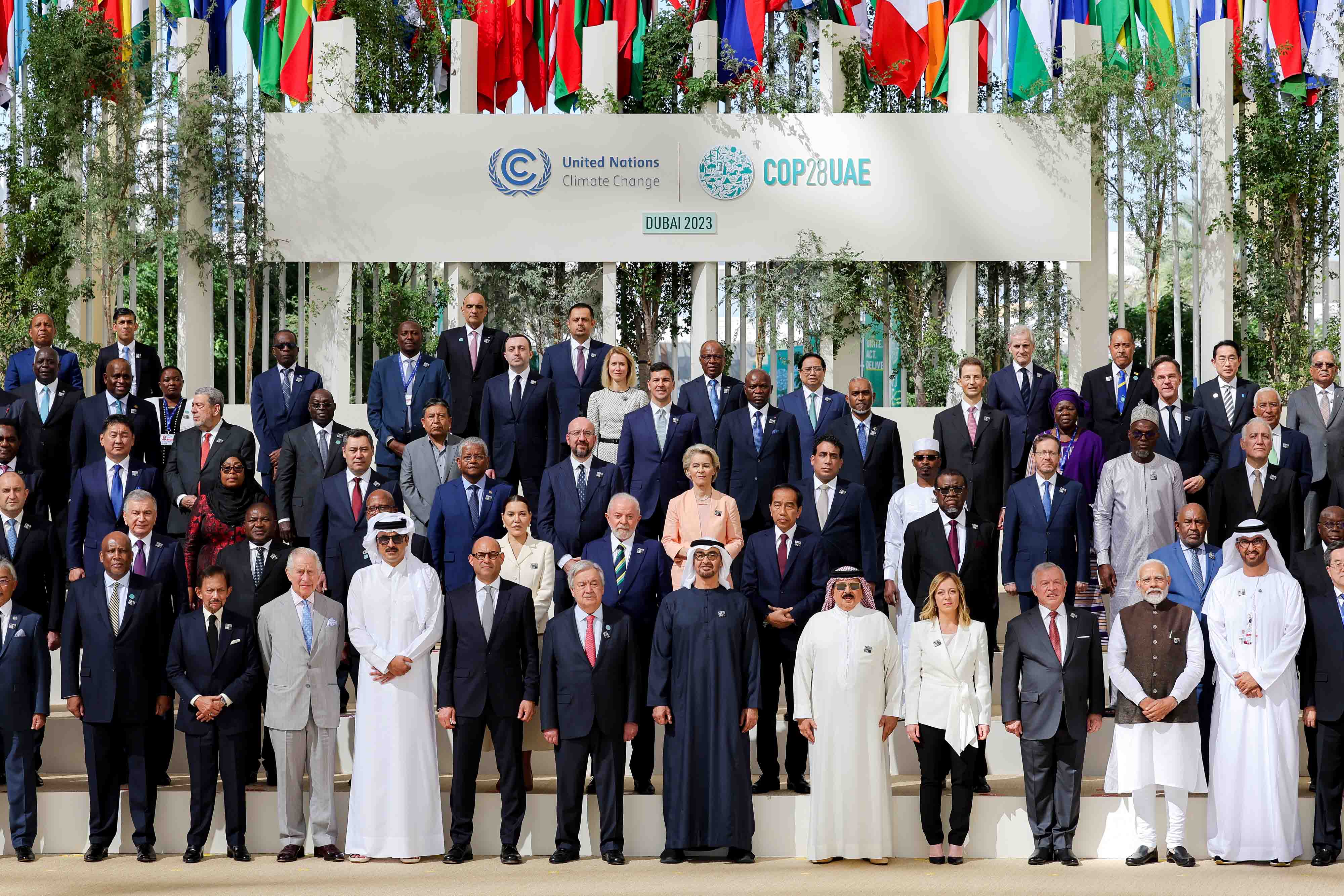
The increasing number of developed and developing nations willing to forge their own paths and uninterested in a new bipolar standoff is the most significant action of middle powers. There are set of countries identifying as middle powers, some are fully developed nations, some less developed, and others are large developing countries. In the long run, one of the biggest trends in world politics is the growing desire of these nations to have more influence over particular outcomes and control over the structure of the global order, which is just as significant as the escalating rivalry between great powers.[10] Some specific examples to understand the importance of middle powers in the current global sphere:
i) India
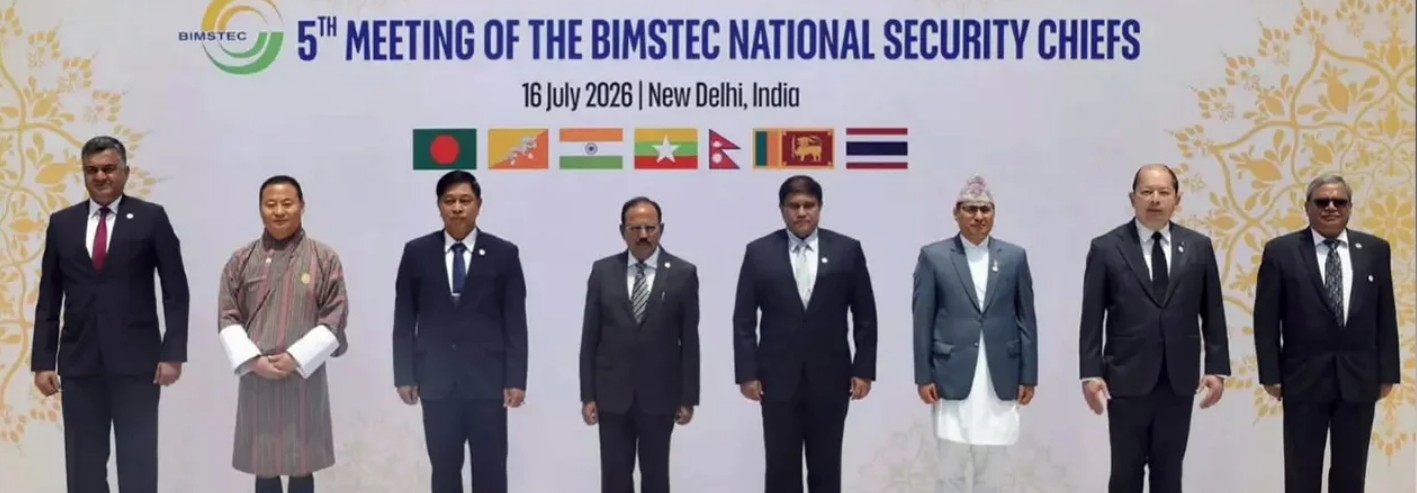
India has two hostile nuclear neighbours with whom it has fought conventional wars and is currently engaged in a prolonged non-traditional conflict. India has been an active supporter of disarmament and arms control since gaining its independence. A nuclear test ban treaty and a limit on the manufacture of nuclear weapons materials were initially proposed by India.[11] India is a key player in organizations like the United Nations, BRICS, and the South Asian Association for Regional Cooperation (SAARC), its foreign policy places a strong emphasis on regional leadership, multilateralism and strategic autonomy.[12] Since pre-emption would necessitate using more warheads than could be destroyed, conventional missiles would be far less promising targets. Instead of taking the risky route that the US and the USSR did during the Cold War, it would be considerably more beneficial for China, India and Pakistan to reach a shared understanding on this technology.[13]
ii) Japan
The necessity to strike to compromise between two basic obligations is the normative duty to work toward a world free of nuclear weapons, and the strategic duty to protect national security has long influenced Japan’s nuclear arms control and disarmament policy. As long as Japan’s security and nuclear issues do not significantly change, it is likely to continue its commitment to nuclear arms control and disarmament. However, developing and putting into practice effective policies will grow more challenging in the absence of notable advancements in the global security environment.[14] A UN committee has approved a draft resolution led by Japan that calls for action to achieve a world free of nuclear weapons. In order to create a framework to stop nuclear proliferation, the 2025 resolution calls for trilateral discussion between the US, Russia and China.[15]
iii) Brazil
In addition to maintaining cordial ties with all nations, Brazil has worked to increase its global influence and role primarily through regional organizations like the Community of Latin American and Caribbean States (CELAC), THE Organization of American States (OAS), and the Union of South American Nations (UNASUR), as well as multilateral international organizations like the United Nations (UN). Brazil has made a significant contribution to global peace and security, non-proliferation credentials and its history of peaceful relations with all other nations, especially in the Latin American community.[16] Brazil praised the Treaty on the Prohibition of Nuclear Weapons (TPNW) 2021 implementation as “a historic achievement, which embodies the growing international consensus that nuclear weapons must never again be used by anyone, anywhere, at any time” and called its negotiation and adoption “an evolutionary leap for the disarmament and non-proliferation regime”. [17]
Conclusion
In order to rethink democracy support tactics and policies to better reflect the current situation, middle power nations, regardless of their geopolitical influence, are going to be essential.[18] The US and Russia will have no legally enforceable limitations on their nuclear weapons after New START expires. In order to control their nuclear rivalry and lower the likelihood of nuclear conflict, the US, Russia and China might take into consideration a new two-track strategy. [19]
Endnotes
[1] Thomas G. Weiss, “Re-imagining Global Governance and Revisiting the UN’s Founding”, Global Governance Forum, November 8, 2021. https://globalgovernanceforum.org/reimagining-global-governance-revisiting-un-founding/.
[2] Keith Porter, “Global Governance Reimagined”, Stanley Center for Peace and Security, July, 2014. https://stanleycenter.org/publications/global-governance-reimagined/.
[3] Shoo Phar Dhie, “Reshaping Multilateral Diplomacy in a Multipolar World”, International Institute of SDGs and Public Policy Research. https://iisppr.org.in/reshaping-multilateral-diplomacy-in-a-multipolar-world/.
[4] Adam Lupel, Kaewkamol Pitakdumrongkit, and Joel Ng, “Small States and the Multilateral System: Transforming Global Governance for a Better Future”, International Peace Institute, 2024. https://www.ipinst.org/wp-content/uploads/2024/09/Small-States-and-the-Multilateral-System-web.pdf.
[5] Ivan Timofeev, “Why Multilateral Diplomacy Is in Crisis”, Russian International Affairs Council, January 9, 2025. https://russiancouncil.ru/en/analytics-and-comments/analytics/why-multilateral-diplomacy-is-in-crisis/.
[6] M. Shane Smith, “Arms Control and Non-Proliferation”, Beyond Intractability, July, 2003. https://www.beyondintractability.org/essay/arms_control.
[7] Shannon Bugos, “Toward a New Nuclear Arms Control Framework Arrangement”, Arms Control Association, October 26, 2022. https://www.armscontrol.org/issue-briefs/2022-10/toward-new-nuclear-arms-control-framework-arrangement.
[8] Dennis Evans, “Strategic Arms Control Beyond New START: Lessons from Prior Treaties and Recent Developments”, The Johns Hopkins University Applied Physics Laboratory, 2021. https://www.jhuapl.edu/sites/default/files/2022-12/BeyondNewStart.pdf.
[9] Amy F. Woolf, “Irreversibility in Nuclear Arms Control: Lessons from the US-Soviet/Russian Arms Control Process”, Journal for Peace and Nuclear Disarmament, May 31, 2024. https://www.tandfonline.com/doi/ref/10.1080/25751654.2024.2359229?scroll=top.
[10] Tim Sweijs and Michael J. Mazarr, “Mind the Middle Powers”, War on the Rocks, April 4, 2023. https://warontherocks.com/2023/04/mind-the-middle-powers/.
[11] Reshmi Kazi, “India and the future of nuclear arms control”, ORF, May 12, 2023. https://www.orfonline.org/expert-speak/india-and-the-future-of-nuclear-arms-control.
[12] “Middle Powers as Emerging Powers: Understanding the Concept and Challenges”, PolSci. Institute, December 26, 2023. https://polsci.institute/international-relations/middle-powers-emerging-concept-challenges/.
[13] Manpreet Sethi, “Nuclear Arms Control and India: A Relationship Explored”, Arms Control Association. https://www.armscontrol.org/act/2010-09/nuclear-arms-control-and-india-relationship-explored.
[14] Hirofumi Tosaki, “Nuclear Arms Control and Disarmament Policy Under the Kishida Administration”,
Journal for Peace and Nuclear Disarmament, September 8, 2025. https://www.tandfonline.com/doi/full/10.1080/25751654.2025.2557740#d1e150.
[15] “Japan-led UN resolution calls for nuclear disarmament talks by US, Russia, China”, NHK World Japan, November 1, 2025. https://www3.nhk.or.jp/nhkworld/en/news/20251101_05/.
[16] Sérgio de Queiroz Duarte, “The role of Brazil in multilateral disarmament efforts”, Revista Brasileira de Política Internacional, vol. 60, Instituto Brasileiro de Relações Internacionais, 2017. https://www.redalyc.org/journal/358/35854255008/html/.
[17] “Brazil| Treaty on the Prohibition of Nuclear Weapons”, The International Campaign to Abolish Nuclear Weapons (ICAN). https://www.icanw.org/brazil.
[18] Rachel Kleinfeld, Thomas Carothers, Steve Feldstein, and Richard Youngs, “How Middle-Power Democracies Can Help Renovate Global Democracy Support”, Carnegie Endowment for International Peace, 2021. https://carnegieendowment.org/research/2021/02/how-middle-power-democracies-can-help-renovate-global-democracy-support?lang=en.
[19] Amy Woolf, “Beyond New START: What Happens Next in Nuclear Arms Control?”, The Royal United Services Institute for Defence and Security Studies, October 21, 2025. https://www.rusi.org/explore-our-research/publications/commentary/beyond-new-start-what-happens-next-nuclear-arms-control.
(The views expressed are those of the author and do not represent the views of CESCUBE)
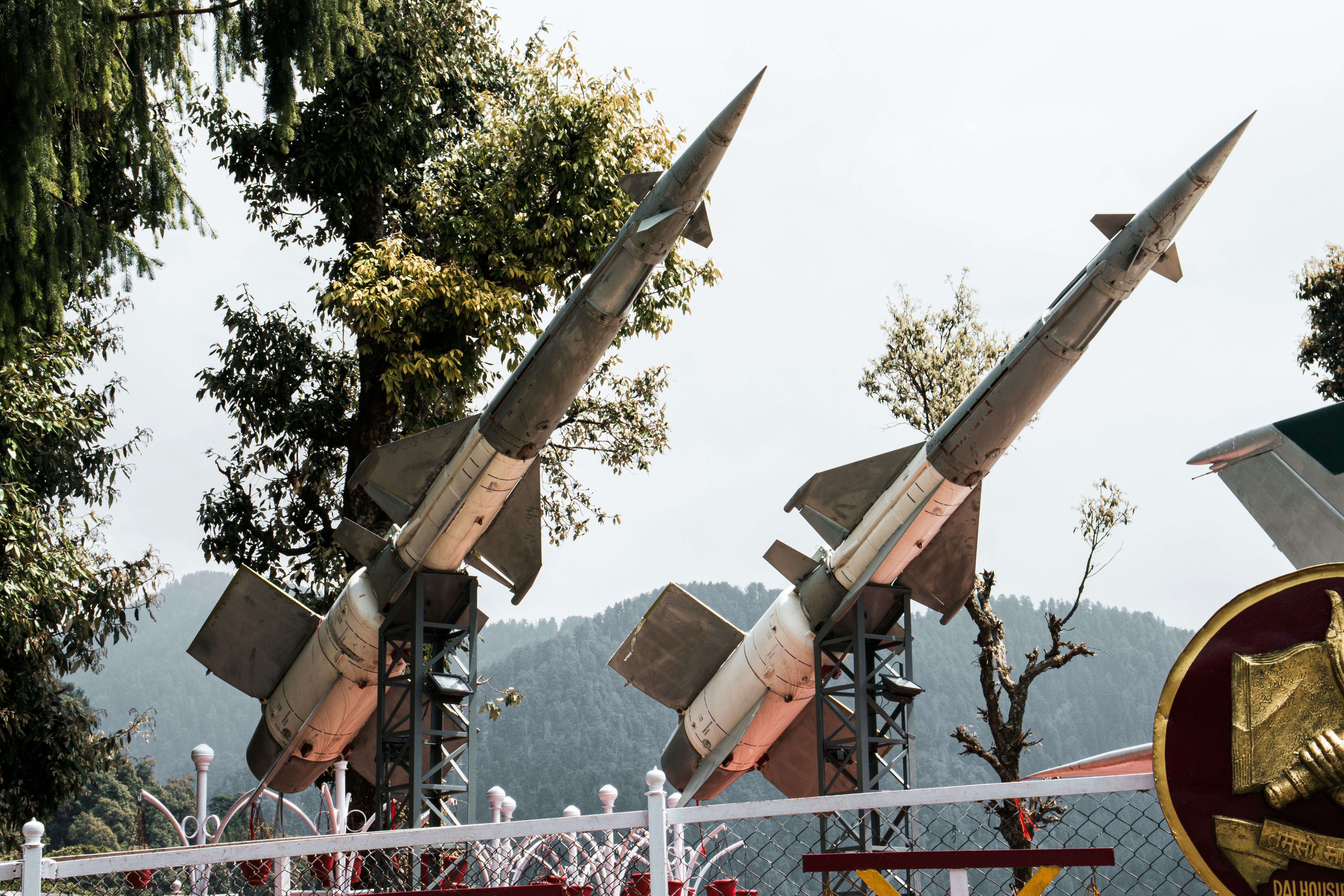
Photo by Akshat Jhingran on Unsplash

Kushmita Kapoor is a postgraduate in Politics and International Relations with a particular interest in international security, geopolitics, and strategic policy frameworks. She has previously interned at the Future of India Foundation, where she engaged in policy-oriented research and gained hands-on experience in data analysis and policy research. Skilled in OSINT, GIS tools, and multilingual research, she brings a strong analytical lens to the study of strategic policy.