The Rise of Geo-Economic Competition: India’s Strategy in the Global Trade Order
Gone are those days when the major nations were forming friends or foes and fighting some of the most horrendous wars the world has seen. In this new era, states engage in fierce clash for resources, trade agreements, technological innovati...
India in a changing global trade order
The global trade order with the network of rules, institutions, and regional partnerships that govern trade is undergoing a deep change. For a long time now, WTO has struggled to adapt and newer platforms like IPEF and RCEP have emerged with countries redefining their economic strategies. For India, this shift brings both opportunities and challenges. Actively being viewed as an alternative to China in global supply chains, India must also protect its domestic industries and ensure inclusive growth. It’s engaged with forums such as the G20, IORA, and IPEF and aims to shape this evolving order while maintaining its autonomy. Its trade policy has therefore become an essential instrument of its foreign policy that balances liberalisation with strategic self-reliance.
Trade Diversification Beyond China
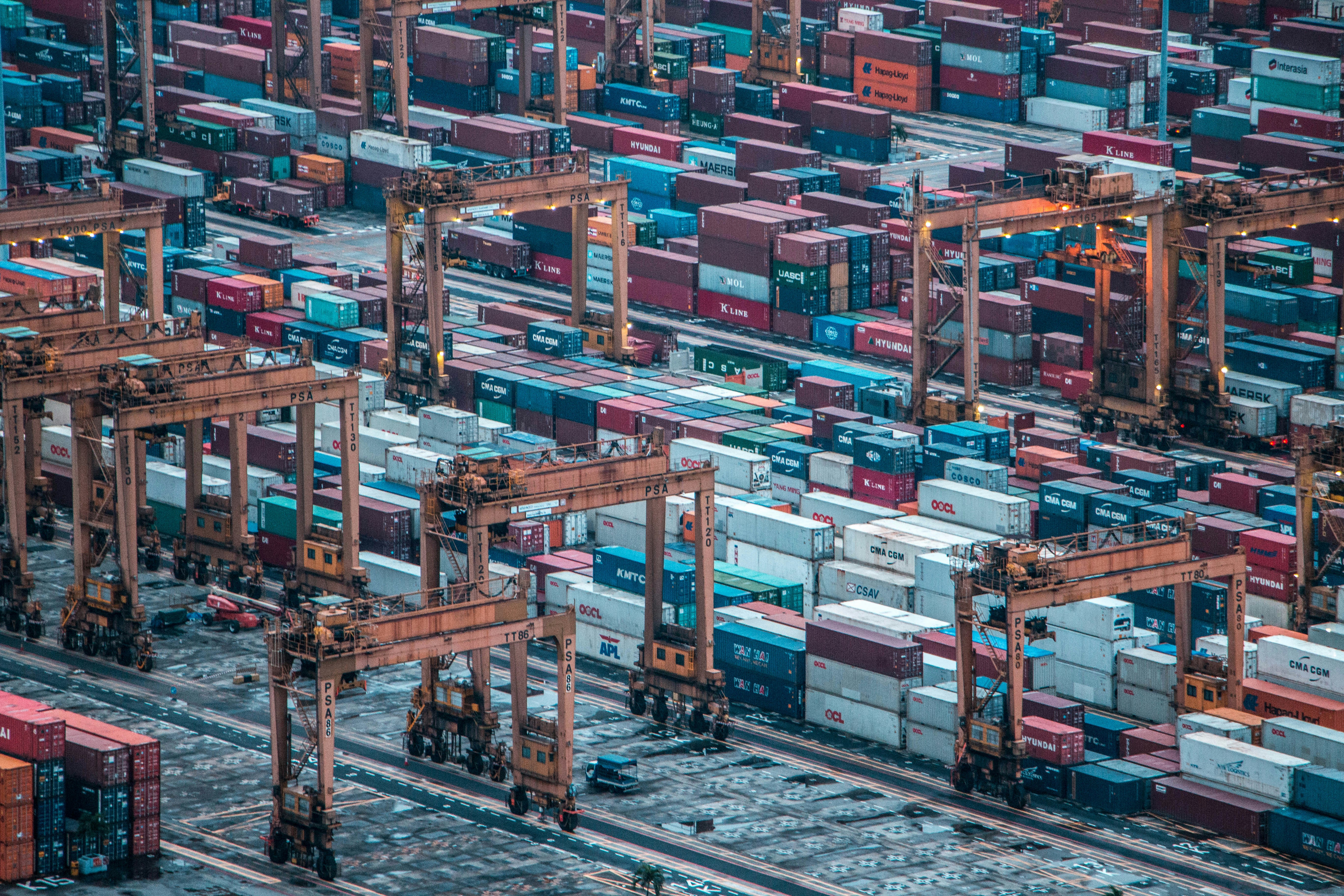
The China+1 strategy is a clear depiction of how reshaping of global manufacturing is taking place to reduce the overdependence on China. With China’s lost cost advantage due to rapid wage growth and with tariffs and policy uncertainty linked to the U.S.– China relations, single-country dependence has become risky. The pandemic further exposed how concentrated supply chains can break down under stress. Instead of just depending on China, countries are now setting up their production units across the globe to manage their costs, dodge geopolitical tensions and risks posed by supply chain. As a result, companies are increasingly turning to alternatives such as India, Vietnam, Bangladesh, and Southeast Asian economies to build resilience, reduce costs, and gain access to new consumer markets.
Benefits of such diversification is quite visible across sectors. For example, electronics firms shifting their assembly process in countries like India and Vietnam. A prominent example is how Apple is gradually relocating its device assembly. While most production still remains in China, a growing share is being moved to India and Vietnam with support from contract manufacturers expanding local capacity. This reflects a broader pattern in which firms use different locations for different stages of production, improving their supply-chain agility while managing risks.2
This changing global reorientation seems to be in the favour of India. Rising India-US trade volumes highlight improving bilateral engagement majorly driven by aerospace and energy deals, backed by the broader push to diversify supply chains away from China. At the same time the renewed negotiations between India–EU free trade agreement underlines India’s attempt to leverage trade policy for strategic positioning. While there are some hurdles like carbon taxes and regulatory standards, the potential gains are substantial especially in areas like electric vehicles. India, thus, is trying to position itself as a key player among the manufacturing alternatives and in the centre of geo-economic competition.3
Protectionism vs Liberalisation: India’s Policy Dilemma
The Regional Comprehensive Economic Partnership (RCEP) was signed in 2020 by 15 Asia-Pacific economies accounting for nearly 30 percent of global GDP and population, promising access to an integrated regional market. India’s huge step of withdrawing from it in 2019 highlights its strategy to stay open to global markets and at the same time protect its own interests. Studies suggest that India could potentially gain $60 billion by 2030 through expanded exports, tariff reductions, and deeper integration into regional supply chains. Walking out of technical collaborations with advanced economies like Japan and Australia, possible strengthening of India under “China Plus One” manufacturing strategy could point towards something bigger.
However, India’s concerns were equally substantial. There was a fear among the policymakers regarding the increased market access for China, Australia, and New Zealand that could flood Indian markets with low-cost manufactured goods and dairy products, displacing local producers, farmers, and small enterprises. These fears were reinforced by India’s experience with existing FTAs, where trade deficits with ASEAN, Japan, and South Korea expanded sharply by over 300 percent in some cases. Concerns over China’s opaque trade practices, coupled with unresolved issues related to tariff safeguards, rules of origin, MFN provisions, and the recognition of India’s federal structure, further weakened confidence in the agreement. Staying out of RCEP meant aligning with domestic initiatives such as 'Make in India', 'Vocal for Local', and 'Atmanirbhar Bharat' that would strengthen manufacturing capacity before exposing sensitive sectors like agriculture and MSMEs to foreign competition. 4
India's overall approach to tariffs during the last five years has been a balance of these two attitudes as well. On one hand there have been increased import duties across various manufactured categories and trade protection policies like anti-dumping investigations across numerous sectors. However, these policies were not followed by a withdrawal into protectionism. Instead, there has been a pragmatic form of globalization with a reduction in duties on crucial inputs, the provision of production-linked incentives, and negotiations for reciprocal trade agreements. Thus, there seems to be a balance and pragmatism involved here as well suggesting that India neither becomes a protectionist nor follows a globalization trend exclusively. Instead, the country seems to follow a middle course here as well, which could be defined as protecting when necessary and opening up when possible as a means of strengthening the economy through trade policies rather than weaknesses.5
Leveraging Trade for Strategic Influence in the Global South
The G20 presidency in 2023 represented a deliberate effort to use economic cooperation and trade as instruments of diplomatic engagement with the Global South. By highlighting themes of inclusive development, debt relief with sustainable development policies in mind, digital public infrastructure, and the integration of the MSME in the global trade structure, a signal was sent by India as the voice of the Global South, the needs of which are habitually ignored in international governance structures. This effort culminated in the Voice of the Global South Summit initiative of the Indian government, in which the collective voice of over 125 nations of the Global South provided guidance on the priorities of the G20 during the Indian Presidency. This strategy of India rested on the ideology of ‘Vasudhaiva Kutumbakam’.
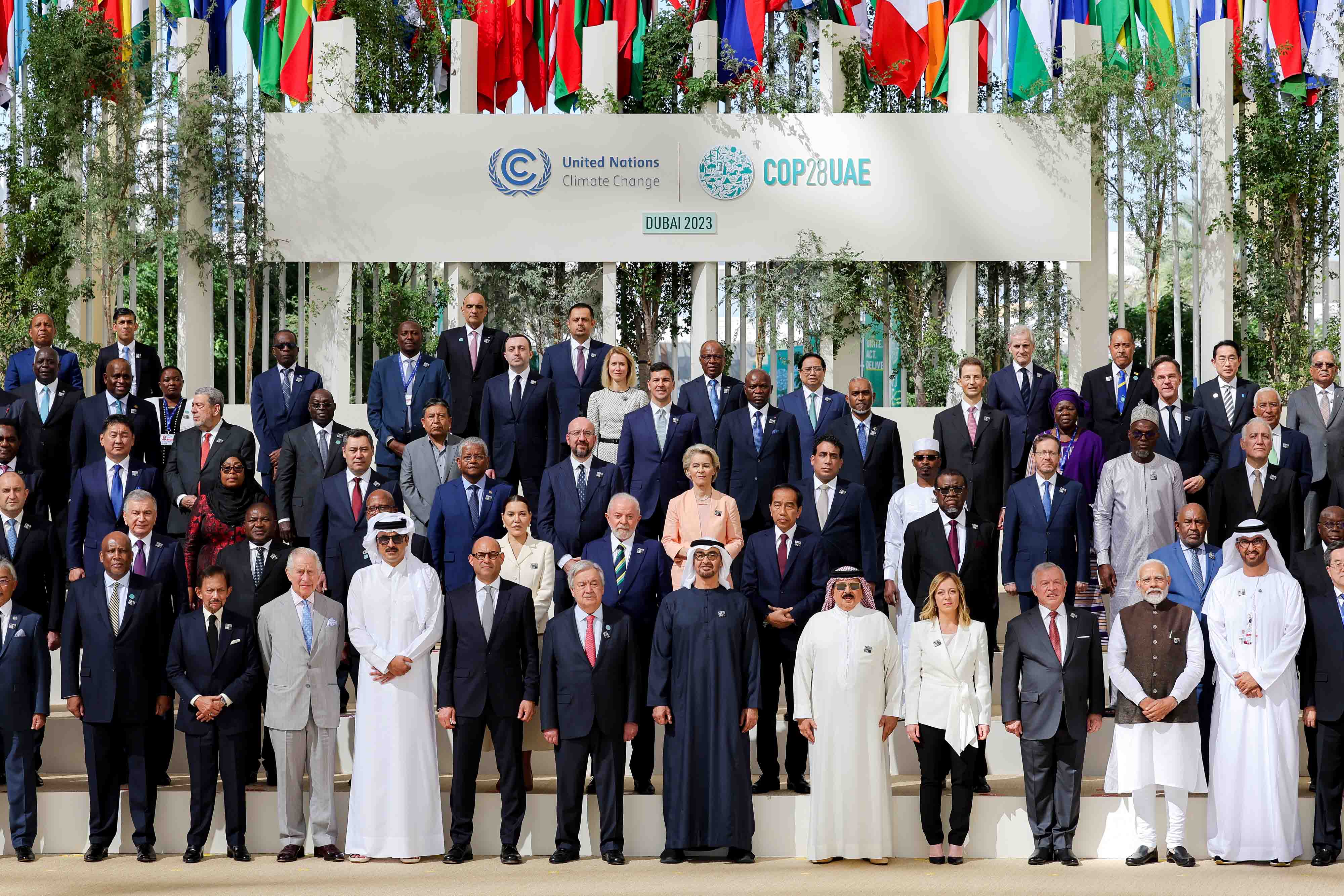
The issue of trade dominated the agenda through the lens of South-South cooperation. During India's presidency over the G20, the latter emphasized the significance of saving the multilateral trade rules. However, it concentrated on areas which are significant to developing countries such as building the resilience of supply chains, involving MSME in trade, facilitating entry rules in digital trade and contributing to “Aid for Trade” programs. The paper, India’s G20 Presidency as a Voice of Global South by Sushil Kumar rightly points out that trade in the Global South has grown dramatically in the previous thirty years to cover more than seventy percent of world trade. For India, trade is not only an economic activity but an “enabling activity” for developing countries. One of the unique hallmarks of India’s leadership role was the use of Digital Public Infrastructure (DPI) as a transferable development paradigm within the Global South. By leveraging its own experiences in Aadhaar, UPI, or platforms such as CoWIN, India demonstrated the potential for digital technologies to increase financial inclusion, enhance public service delivery, or lower the costs of transactions. By G20 initiatives such as the Global Digital Public Infrastructure Repository or its proposal for a Social Impact Fund, India aimed to use knowledge sharing or technology transfer not just as means of development but through a form of economic diplomacy. In doing so India’s leadership position prioritized trade and technology not only for commercial gain but for building trust, developing lasting cooperation, or constructing a more inclusive global economy.6
Conclusion: India’s Middle Path in a Fragmented World
India's new trade strategy reflects a calculated decision to navigate an increasingly fractured global order without succumbing to the arising tensions. Instead of focusing completely on liberalization or adopting protectionism, it has managed to utilise trade both as an economic and a strategic instrument. Its selective engagement with new supply-chain realignments, selected trade agreements, and multilateral platforms underlines both a desire for global integration and a concern for domestic capacities and policy autonomy.
In this time of geopolitical rivalries and economic uncertainty, India’s emphasis on strategic self-reliance, South–South cooperation, and technology-led inclusion underlines something far larger in geo-economic terms. Trade for India is no longer about market access alone or tariff reduction but instead a tool in shaping global norms, strengthening partnerships with the developing world, and securing long-term stability. Following this middle path, India is no longer a passive participant in the global trade order but an emerging architect of a more balanced and inclusive economic system.
References:
1. Acclime China. “The China+1 Strategy: Diversifying Manufacturing Beyond China.”
Acclime China. https://china.acclime.com/guides/china1-strategy-diversifying-manufacturing/
2. Goswami, Sweta. “India-EU Kick Off Fresh Round of FTA Talks as Clock Ticks on Year-End Deadline.” Moneycontrol, December 8, 2025 https://www.moneycontrol.com/news/business/india-eu-kick-off-fresh-round-of-fta-talks-as-clock-tick-on-year-end-deadline-13715547.html
3. Singh, Jyoti. “India and RCEP: An Uphill Journey Ahead.” Observer Research Foundation, November 25, 2025 https://www.orfonline.org/expert-speak/india-and-rcep-an-uphill-journey-ahead
4. Kohli, Sandeep. “Decoding India’s Tariff Strategy: Protectionism or Pragmatic Policy?” India Foundation, July 1, 2025 https://indiafoundation.in/articles-and-commentaries/decoding-indias-tariff-strategy-protectionism-or-pragmatic-policy/
5. Kumar, Sushil. “India’s G20 Presidency as a Voice of the Global South.” Discussion Paper No. 291, Research and Information System for Developing Countries (RIS), 2023 https://ris.org.in/sites/default/files/Publication/DP%20291%20Sushil%20Kumar.pdf
(The views expressed are those of the author and do not represent the views of CESCUBE)
Image Source: Photo by Ammiel J Wan on Unsplash

Jahanavi Sharma is a postgraduate student in Economics with a strong interest in research writing and data analysis. She has worked on projects involving agricultural trends, rural development, and sustainability. At CeSCube, she is interning on the Geo-economics Desk, where she will be exploring global dynamics and decode complex economic developments with an Indian lens.