Agroterrorism- Lessons Learnt After Covid-19 Pandemic
The World Health Organization declared COVID-19 a Public Health Emergency of International Concern on January 30, 2020, and endowed a pandemic status on March 12, 2020. COVID-19 remains an unprecedented public health crisis having global an...
Understanding Agroterrorism
There are numerous studies on bioterrorism which mean a deliberate act of releasing viruses, bacteria, or other infectious deadly germs carried through the air, water, or everyday food. Agroterrorism is a subtype of bioterrorism wherein the central agenda of the terrorist act is to sabotage the agricultural production of the region under attack [1]. All of these are categorized as unconventional forms of terrorism causing damage to the economy and creating fear among the masses with food insecurity. Agroterrorism is becoming a popular modus operandi as the biological agents used to incur an attack are easily obtained from the natural environment. Any group without minimal expertise, obsolete technology, and limited monetary aid can create chaos in an economy. Agriculture-based industries and services including various stakeholders i.e. suppliers, transporters, distributors, and restaurant chains will bear the repercussions of an agroterrorist attack. Agroterrorism does not mean a direct attack on livestock or plants but causes secondary impacts on humans. Although the consequences calculated are substantial, still, not much attention has been given to the global issue of agroterrorism until now. Therefore, countries must begin to take biological threats seriously and prepare strategically for future pandemics.
The best approach to deal with the problem of agroterrorism is prevention and readiness to act in such circumstances. Adequate research has to be promoted in matters of biosecurity and food security. The concept of 'One Health' was designed to cater to challenges in the public health sector. It includes food safety, control of zoonotic diseases, and combating antibiotic resistance. Scientific studies on alien diseases must be shared with the agricultural producers and also educate them about the mitigation methods. After a bioagent is released, it not only disrupts the present but leaves footprints damaging the society and economy in the longer run. Agriculture is an irreplaceable asset to any country, hence, it is the responsibility of the global leaders and institutions to preserve it from potential attacks.
COVID-19 Pandemic and Its Ill Effects
Human health is not apart from the health of animals and plants. The increased proximity between humans and animals leads to a faster spread of zoonotic diseases. Experts suggest that around 60 percent of all human diseases and 75 percent of the novel emerging infections are zoonotic in origin [2]. The pandemic is the second most horrific incident that the entire world suffered after the Second World War. It opened up Pandora's box of vulnerabilities, risks, and security failures. In WHO's recent report on the global analysis of COVID-19 indicates that there were more COVID-related deaths than the official count by the end of 2021. It all began with the outbreak of an airborne virus from Wuhan in China and no one knows when it is going to completely end. The causes and consequences of the pandemic have turned our lives upside-down.
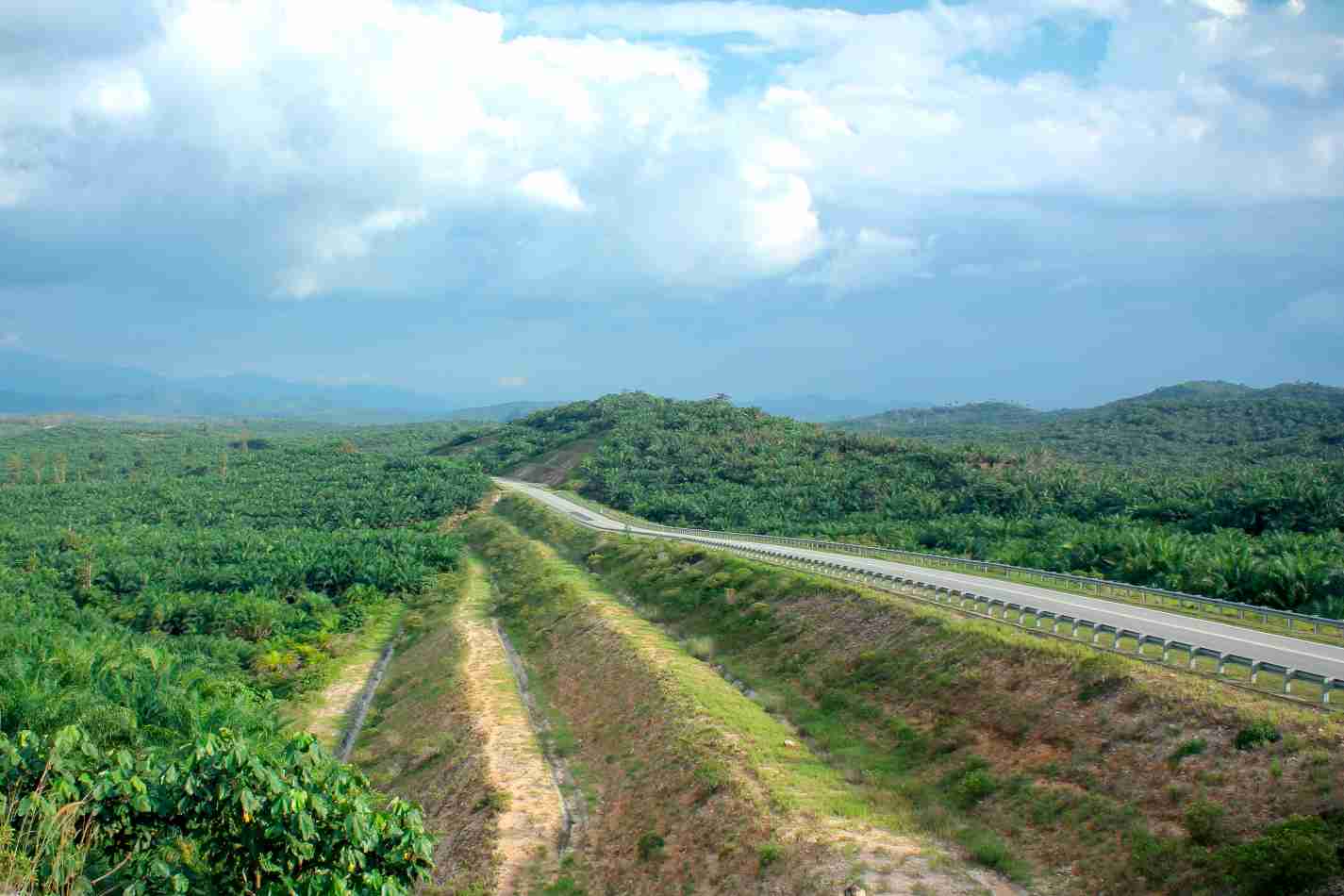
Even today agriculture accounts for a larger share of the GDP of many countries such as India, Bangladesh, Vietnam, and so on [3]. Malicious virus outbreaks like COVID-19 through the intentional or unintentional release of bioagents exert a profound negative impact on the country's agricultural processes. To curb the spread of infections, restrictions on movements prevented the sowing and harvesting of crops. Labor availability was disrupted, supply chains were wrecked, and input prices soared leading to a slump in the production numbers. As a result, global food prices witnessed a surge due to a lack of supply. The majority of the people habituating in rural areas around the world adopt agriculture as their primary source of income. The pandemic greatly affected these families and pushed them into further poverty. Farming came to a halt after countries went under strict lockdown.
Agroterrorism is considered an indirect attack on the civilian population unlike an extravagant terrorist act including bombing or gunning. COVID-19 being an indeliberate and unknown dispersal of virus particles from one corner of the world subdued the economic growth of many countries at once. Overall incomes fell leading to a massive decrease in food consumption. Disruptions in agriculture were seen both in developed and developing countries. Agriculture is a highly labor-intensive sector, therefore, food insecurity and destruction of livelihoods were much more visible in poor countries wherein mechanization is not rooted well [4]. Limitations on movements of people within and outside borders contributed to labor shortages and markets started to become barren. There were other logistical gaps that reduced the import and export of agricultural products globally.
Possible Solutions
Epidemics and Pandemics arise anytime and anywhere with traces left for decades. It not only alters the existing healthcare system but establishes a long-term impact on the political, economic, and social infrastructure. The history of naturally occurring diseases in the environment and turning into a biohazard dates back to the 20th century. The world has been struck with zoonotic virus outbreaks before such as MERS, SARS, and most recently Ebola in 2014-16. Yet, there were huge inconsistencies and inefficacies in dealing with COVID-19. Agroterrorism takes an ugly form and COVID-19 is not a terrorist attack but it continues to make the world suffer. Tightly-contained laboratories with many ongoing scientific testing and diagnoses are becoming the new global arms race. And it is proven that pandemics like these can cause damage on a larger scale than traditional terrorist attacks. It will have continuing effect as the viruses have the ability to mutate and bring uncountable waves of infections. One must ponder that if a disease like COVID-19 with comparatively less lethality can result in global turmoil then an engineered lethal virus by terrorist groups can cause to what extent.
When a virus successfully hinders the functioning of the agricultural sector including both livestock and crops, the public confidence in the government shatters and could lead to social unrest [5]. What the leaders and decision-makers must do is invest heavier in agricultural research for comprehending the dangers of foreign disease, provide adequate monetary aid to farmers, track and detect the spread of pathogens into livestock, and lastly undertake unified efforts cutting across all communities and authorities to suppress the spread of infection. Food systems have a lot of value and that is why we need a centralized and cohesive strategy to protect global agriculture. COVID-19 ensured opportunities to learn about vulnerabilities in agricultural production processes in case of a disaster situation. It highlights the areas that need investment and what reforms must be planned to be more resilient against future concerns. Hence, the threat of bioterrorism or agroterrorism is real and terrorist groups have expressed their intention to use bioagents to incur fear in the societies. Pathogens like COVID-19 are currently extremely dangerous causing destruction of both property and lives at a greater scale.
References
[1] https://www.ncbi.nlm.nih.gov/pmc/articles/PMC2839819/
[2]https://www.resiliencefirst.org/sites/default/files/2021-03/CTPN%20Bioterrorism%20Report%20%28Double%20Spreads%29.pdf
[3] https://www.globenewswire.com/news-release/2021/02/04/2169678/28124/en/Global-Agriculture-Industry-in-2020-Impact-of-Coronavirus-on-the-Market.html
[4]https://www.oecd.org/coronavirus/policy-responses/covid-19-and-the-food-and-agriculture-sector-issues-and-policy-responses-a23f764b/
[5]https://www.rand.org/pubs/research_briefs/RB7565.html
Pic Courtesy-Afdhal N at unsplash.com
(The views expressed are those of the author and do not represent views of CESCUBE.)

Poonam Jindal is post graduate in International Relations from O.P. Jindal Global University. She did under- graduation in Political Science from Delhi University. She has experience in primary and secondary research and has done a certificate course on Conflict Management from Bar-Ilan University in Israel. Ms Jindal has studied East Asian Politics at National Chengchi University in Taiwan and co- authored a paper on China Military Modernization. Her research interests include China Studies, Geo-politics in Asia, Diplomacy and Security Issues. She is Research Assistant with CESCUBE.