Challenges for Liz Truss and the UK Economy
Liz Truss, the UK's foreign minister, was elected as the new leader of the country's Conservative Party. She will now be responsible for navigating the country's economic crisis. She will also be responsible for addressing the country's for...
Cost of living crisis
The biggest challenge for the new leader will be how to help the country's struggling population cope with the rising cost of living. The average household energy bill is expected to increase by about 1 percent to 3,549 pounds in October and according to a study, the energy price cap could increase to around 5,341 pounds by April 2023. During her previous position, Truss supported tax cuts to help people with the rising cost of living. However, she now plans to offer more support to households. This would help workers who are already struggling with the rising cost of living. After taking office, Truss might create an emergency budget to address the country's economic crisis. She also promised to reverse the 1.25% national insurance rise.
Strikes
Many workers, including lawyers, healthcare workers, university professors, and rail workers, are planning on striking or protesting due to the rising cost of living. In response to this issue, Truss has promised to take "decisive action" to prevent further strikes.
The idea of implementing a strike is likely to be popular. In an environment where the UK's inflation rate has reached over ten percent, several workers have already gone on strike to demand higher wages. Other workers such as teachers and nurses are also expected to join the protests. If the government does not address the rising cost of living, the country could potentially experience widespread unrest.
Brexit
While she is handling the country's exit from the European Union, she will also have to deal with the issues related to the Northern Ireland protocol bill. This bill, which was part of Johnson's deal, would prevent the UK from participating in the customs union. The UK has long been complaining about the lack of progress in the negotiations with the EU. It has also argued that the legislation is an insurance policy. If the new prime minister does not back down from the unilateral action, the EU might retaliate by cutting the UK out of the European Union's research program, known as the Horizon. This could lead to a trade war. In response to this issue, Truss has also promised to remove all European Union laws from the country by 2023.
Asylum Seekers
For years, the UK government has been struggling to reduce the number of migrants who come to the country in small boats. According to the government, the number of migrants coming to the country by boat is expected to double this year. In April, the UK announced that it would send people who arrived in the country illegally to Rwanda for their asylum applications. However, the first deportation flight was blocked by the European Court of Human Rights.
Under Truss leadership, the government has vowed to implement a policy that would allow the UK to send back asylum seekers to other countries. If the European Court of Human Rights continues to block the country's efforts, the UK will leave the organization. And if the UK leaves the organization, it would join Russia and Belarus as the only countries in the European Union that are not part of the convention on the protection of migrants.
Russia-Ukraine War
Vladimir Putin, the president of Russia, is hoping that the country's economic troubles will weaken his resolve against the conflict in Ukraine. In response to the crisis in Ukraine, the UK has been providing the country with various weapons and military equipment. In addition, it has been training the country's soldiers. As the new leader of the country's ruling party, she has vowed to continue supporting Ukraine. During the leadership contest, she said that if she becomes the prime minister, the country will have no greater ally than the UK.
Wholesale Gas prices
Despite the falling prices of gas, the cost of gas is still almost three times higher than it was before Russia started reducing its gas flows into Europe. The uncertainty regarding the future of Russian energy continues to remain. Putin has warned that if the European Union decides to impose a price cap on Russian energy, he would not allow his country to deliver gas, oil, and coal to the continent.
Rampant Inflation
In July, the UK's inflation rate reached its highest level since the early 1980s. It was mainly due to the rising cost of food and energy. After the energy price cap was increased in October, the Bank of England noted that the average annual inflation rate could reach 13%. However, some economists believe that the rate could reach 20% without government intervention. So,inflation could be the major challlenge that Truss can face.
The uncertainty surrounding the UK's exit from the European Union has not affected the markets as much as it would have if it hadn't happened. Before the country voted to leave the EU, the pound was closely watched by the global financial markets. However, now that the country is in the cold, the potential vulnerability of the UK's currency is becoming more apparent.
Fuel Poverty
The rising cost of energy has severely affected the UK's poorest families. These households typically spend a larger portion of their income on food and utilities than their richer counterparts. Due to this, several charities have called on the government to provide targeted support to the most vulnerable individuals in society. According to the End Fuel Poverty Coalition, around 16.4 million households in the UK will be left in fuel poverty during the winter season. Despite the government's recent announcement of a freeze on the energy price cap, this figure still remains high.
Conclusion
The UK government has been struggling to address the country's economic crisis due to the rising cost of living. However, adopting Thatcherism would be considered political suicide. As the winter season approaches, many households are struggling with the rising cost of energy. Some small businesses, such as restaurants and pubs, are experiencing a quintupling of their costs due to the rising cost of energy. As part of her plan to address the issue, she will be introducing a massive government bailout for struggling households and businesses. In response to the rising cost of energy, the government is currently working on a plan that would cap the household energy bills at around two and a half thousand pounds per year for the next 18 months. The cost of implementing this measure would be more than a hundred billion pounds, which is around seven percent of the country's gross domestic product. This is the largest welfare program in the UK's recent history. Since the UK government has been struggling to address the country's economic crisis, the proposed tax cuts and higher defense spending have already spooked the financial markets. Sterling has lost about a month's worth of value against the dollar due to concerns about the country's budget deficit. Some analysts believe that the currency could even fall to parity. The UK is currently running a huge trade deficit, which can only be financed if it receives large financial capital. If the confidence of investors in the country's financial position continues to decline, it could cause the foreign investors to stop contributing to the country's external budget. The government's expansive spending plans could cause the Bank of England to raise its interest rates even faster than it had expected. According to the Bank, a recession is expected to begin in the last quarter of this year and last until the end of the year. If the central bank increases its interest rates significantly, it could cause a deeper and longer economic downturn. Despite the current economic crisis, there are still more positive scenarios that governments can face. When the energy crisis hits, they inevitably have to use their borrowing power to address the issue. However, higher budget deficits aren't necessarily harmful. Donald Trump and Ronald Reagan were both fiscal irresponsibility seekers who ignored the advice of economic experts. Given the scale of the country's economic problems, it's possible that she would prefer to rehabilitate Milton Friedman, Thatcher's economic hero. However, given her current state of affairs, she would probably welcome any positive outcome.
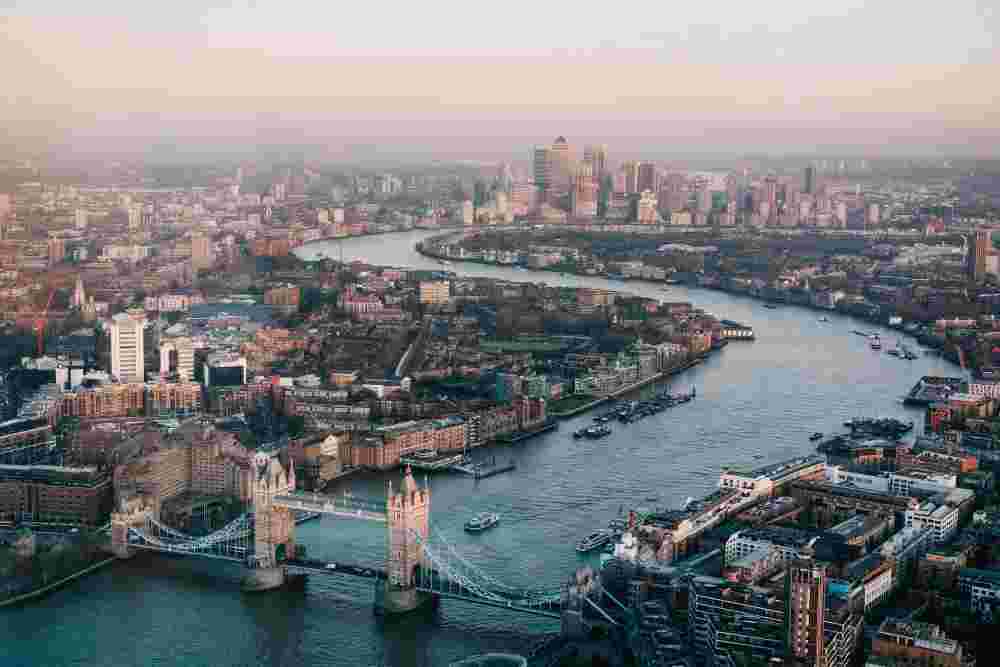
Pic Courtsey-Benjamin Davies at unsplash.com
(The views expressed are those of the author and do not represent views of CESCUBE.)

Vaibhav Tomar is pursuing his MA in Environment and politics , and done his MBA from Narsee Monjee Institute of Management Studies, Mumbai. His Key interest areas are International relations, maritime security, defence strategies, foreign policies etc. Email: vtomar866@gmail.com