
Challenges of the real estate sector in China
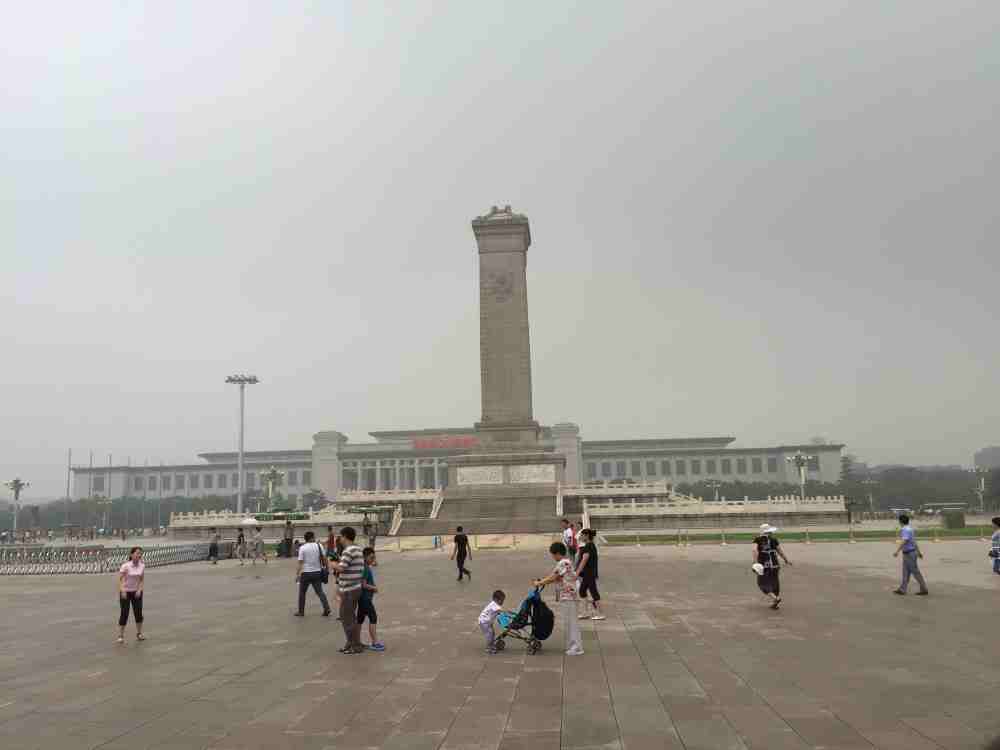
China, known for its economic resilience and dynamic growth, faces an unprecedented challenge in the form of a tumultuous real estate sector. Once a cornerstone of the nation's economic success story, this sector now finds itself entangled ...
The Historical Significance of China's Real Estate Sector
For a substantial period, China's real estate sector stood as a towering pillar of economic growth, playing a pivotal role in the nation's development narrative. Its significance evolved into a symbol of China's economic prowess and modernization. Its historical prominence extends its influence across various facets of the nation's economic landscape.
The real estate sector, with its robust performance, emerged as a key engine driving China's economic growth. Its contributions to the nation's Gross Domestic Product (GDP) were substantial, reflecting the sector's indispensable role in shaping the overall economic trajectory. The rapid urbanization that defined China's developmental journey found a physical manifestation in the towering skyscrapers, burgeoning residential complexes, and sprawling commercial hubs created by the real estate boom.
The real estate sector acted as a catalyst, setting in motion a domino effect that reverberated across related industries. Construction, manufacturing, and a myriad of ancillary sectors thrived on the buoyancy of real estate activities. Steel, cement, and other raw material industries experienced an upswing in demand, and the interconnected web of economic activities saw an upsurge, creating a symbiotic relationship between the real estate sector and its peripheral counterparts. The labor-intensive nature of real estate projects translated into a significant source of employment generation. Millions found livelihoods in construction, design, architecture, and various associated services. This employment boom not only contributed to economic stability at the individual level but also played a role in China's broader social and political landscape, shaping the fabric of its burgeoning middle class.
On the global stage, China's real estate sector became a symbol of the nation's economic might and modernity. Grandiose projects, innovative architectural marvels, and the sheer scale of real estate developments captivated international attention. Investors, both domestic and foreign, viewed the sector as a lucrative avenue, further propelling China into the spotlight as a global economic powerhouse.
Unraveling the Epicenter of Crisis
At the heart of China's real estate turmoil lies the profound financial turmoil experienced by major property developers, where industry giants like China Evergrande Group and Country Garden grapple with unprecedented challenges.
The scale of the crisis becomes apparent when examining the financial travails of China Evergrande Group. A comprehensive analysis by International Banker reveals that the combined losses for this real estate titan amounted to a staggering USD 112 billion for the fiscal years 2021 and 2022. This figure underscores the magnitude of the financial quagmire faced by one of the industry's most prominent players.
Country Garden, another heavyweight in the real estate domain, stands on the precipice of a bond default, signaling the severity of the crisis. Projected losses for the first half of 2023 for this major developer range from USD 6-7 billion, painting a grim picture of the challenges confronting even the most influential entities within the sector.
The confluence of government regulations and the ensuing economic ramifications have intensified the industry's struggles. Stringent policies, notably the implementation of the "three red lines," aimed at curbing excessive debt levels among developers, have inadvertently become a double-edged sword. While these measures seek to bring financial discipline, they have concurrently triggered a discernible slowdown in the real estate sector. Given the sector's direct and indirect contributions amounting to nearly one-third of China's economic activity, this slowdown has reverberated across the broader economic landscape, contributing to a palpable deceleration.
The crisis further manifests in the form of declining property prices, with official data pointing to the first such decline in July 2023. However, the true extent of the market turmoil goes beyond these official figures. Existing home prices are plummeting far more than what official indexes suggest, particularly in prime areas where the drop can reach up to 25%. The discrepancy in housing price statistics adds a layer of complexity to the crisis, hindering accurate assessments and exacerbating the challenges faced by policymakers attempting to navigate through these turbulent times.
Factors Contributing to the Real Estate Crisis
The real estate crisis in China has evolved into a multifaceted challenge, driven by a confluence of interconnected factors that have collectively contributed to the sector's unprecedented turmoil.
The initial spark of the crisis can be traced back to the stringent lockdown measures imposed during the COVID-19 pandemic. These measures disrupted construction projects, causing delays and uncertainties in project completion. The resultant financial strain on individuals, facing uncertainties and potential income losses, further deterred potential buyers. This dual impact created a significant dent in overall demand for real estate, as potential homeowners hesitated to invest amid the prevailing economic uncertainties.
The heart of the crisis lies in the turmoil within the property market itself. Prominent developers, including industry giants like China Evergrande Group, are projecting substantial net losses. China Evergrande Group's revelation of a combined loss of USD 81 billion over two years exemplifies the depth of the challenges faced by major players in the real estate sector. The spiraling losses and debt crises within these key entities have sent shockwaves through the industry, contributing significantly to the overall instability.
A critical driver of China's economic growth is the real estate sector, accounting for a quarter of the nation's economy. However, this pillar of growth faced a substantial setback as investment in the Chinese property market plummeted nearly 8% year-on-year in the first half of 2023. This sharp decline in property investment raises concerns about the sector's ability to sustain its role as a crucial driver of economic growth, posing a threat to the broader economic landscape.
The ripple effects of the real estate crisis extend to the labor market, particularly among the youth. Youth unemployment rates surged to an all-time high of 21.3% in June 2023, according to the National Bureau of Statistics of China. This surge in unemployment is expected to reduce disposable income among the younger demographic, subsequently leading to decreased consumption and lower demand for goods and services. The economic challenges faced by the youth compound the overall economic pressures emanating from the real estate sector's downturn.
China's economic challenges extend beyond domestic borders, as evidenced by the substantial setbacks in trade. Chinese exports faced a notable 14.5% year-on-year decrease in July 2023, reflecting diminishing foreign demand for Chinese products. This setback is part of a broader trend, as exports contracted 5% from January to July 2023. The decline in exports, coupled with a 12.4% annual decrease in imports, signifies challenges in both foreign and domestic demand. The interconnectedness of the real estate crisis with trade dynamics further amplifies its impact on the overall economic landscape.
Policy Responses and Future Forecasts: Navigating China's Real Estate Crisis in 2024
As China grapples with the challenges plaguing its real estate sector, the government has implemented a series of measures aimed at stabilizing the economy and providing support to the struggling property market.
In response to the economic turmoil fueled by the real estate crisis, the Chinese government has taken proactive steps to mitigate the challenges. Notable measures include the extension of loans to developers and the strategic reduction of mortgage rates. By injecting liquidity into the market and making financing more accessible, authorities aim to alleviate the financial strains faced by developers, allowing them to navigate the complexities of the current economic landscape.
These measures reflect a commitment to addressing the immediate concerns within the real estate sector, with a focus on supporting key players and preventing further destabilization. However, the effectiveness of these measures remains contingent on their ability to address the root causes of the crisis and stimulate sustainable economic recovery.
As analysts and financial institutions assess the trajectory of China's real estate crisis into 2024, forecasts offer insights into the potential outcomes and challenges that lie ahead.
JPMorgan, a prominent global investment bank, has revised its global forecast for corporate high-yield defaults, attributing a significant portion of the increased percentage to concerns of contagion within China's property sector. The forecast anticipates that China's property market will contribute nearly 40% to all default cases in 2023. This projection underscores the interconnected nature of the real estate crisis with broader economic dynamics, signalling potential risks that extend beyond the borders of the property market.
References
1. The Real Estate Market In China: Opportunities And Challenges. (2022, September 23). Thales Learning and Development. https://www.thales-ld.com/the-real-estate-market-in-china-opportunities-and-challenges/
2. International Banker. (2024, January 18). Property sector’s woes could weigh heavily on China’s 2024 growth prospects. https://internationalbanker.com/finance/property-sectors-woes-could-weigh-heavily-on-chinas-2024-growth-prospects/
3. China Property Watch: A slow, sequential recovery in 2024. (n.d.). S&P Global Ratings. https://www.spglobal.com/ratings/en/research/articles/231016-china-property-watch-a-slow-sequential-recovery-in-2024-12863177
4. 2024 China economic outlook: tech war, real estate crisis and red supply chain | Blog | MacroMicro. (2023, November 29). MacroMicro. https://en.macromicro.me/blog/china-2024-economic-outlook-tech-war-real-estate-crisis-and-red-supply-chain
5. Cheng, E. (2023, December 7). China’s big property market problem will take at least 4 to 6 years to resolve. CNBC. https://www.cnbc.com/2023/12/07/chinas-big-property-market-problem-will-take-years-to-resolve.html
6. Gupta, P., & Shreya Das. (2023, October 12). The Current Real Estate Turmoil in China. Aranca. https://www.aranca.com/knowledge-library/articles/investment-research/the-current-real-estate-turmoil-in-china
Pic Courtsey-Pankaj Jha
(The views expressed are those of the author and do not represent views of CESCUBE.)
Akangsha is dedicated student in a Master's program in International Studies. Throughout her studies, she has cultivated a deep understanding of international relations, diplomacy, and global governance. She is committed towards meticulous research, combined with a passion for uncovering the complexities of international issues, has fueled her desire to contribute meaningfully to the ongoing dialogue in this field.