China and Russia, and the Taliban takeover of Afghanistan
As soon as the President Biden unfolded his strategy to continue with the process of withdrawal in Afghanistan, it followed by scathing rebuttal claimed that leaving Afghanistan would be calamitous for America and it would be akin to the de...
Since the Taliban captured the Kabul there has been a flurry in the Taliban camp to win friends and allies overseas, unlike the last regime that survive from 1996 to 2001 when Afghanistan was virtually rendered as a pariah state saving Pakistan, UAE, and Saudi Arabia the only government maintain relations with them. This time, though there is a little change in their brutal tactics on grounds, they willing to open the roads of Afghanistan for the world. The most likely allies seem to be Pakistan, China, and Russia in the post-American Afghanistan.
The event in the Afghanistan has opened an array of geopolitical considerations in the long-battled enclave of Afghanistan, China appears to be keen to embrace the opportunity in the absence of the USA and NATO forces. The two countries share a short border with each other and in past China has attempted to invest in the Afghanistan which have thus far gone badly. However, both the countries findings new avenues of cooperation based mutual interest and money. The main ambition of the Chinese by making friends of Taliban is to shrug off the concern over its much-hyped Uyghur region of Xinxiang province where the prospect of Jihad shivers the security set up in Beijing. Nevertheless, Taliban’s dire needs for recognition, investment and finance would spur the same logic to follow the other Muslims countries to decline any help to Uyghur be it military, monetary, and morally, and it would seem unlikely that Taliban possessed any overriding reason to buck the trend.
China has promised a big investment in the energy and infrastructure projects simultaneously eyeing on the country’s vast and untapped rare-earth mineral deposits. Reports have suggested that Afghanistan sits on nearly $5 trillion mineral trove. Rare-earth material deemed as critical for modern technology, the resources can be extracted by Chinese company and imported to china will instrumental in reducing China’s dependency on the west. For example, according to the Pentagon officials, Ghazni province showed the potential for lithium deposits as large as those of Bolivia, which has the world’s largest known lithium reserves. The $5 million road was approximately 20 percent and once completed will be used for cross border trade between China and Afghanistan. There is huge potential of investment particularly in mining and hydropower in Afghanistan and China seems forwardly to grasp the opportunity.
The other nation waiting to churn out the available opportunity resurrected by the American debacle is Russia. The Russian officials and media take up the occasion to vent out their anti-American stream accrued since forever, unmethodological to paint the evacuation as the total defeat of the world mightiest nations. Currently, only the embassies of Russia and China functioning in Afghanistan, both are guarded by the Taliban. The Russian ambassador to Kabul Dmitry Zhirnov told that “we want Afghanistan to civilized so that there is no terrorism, no drugs, and human rights are respected. The Taliban made all the relevant promise to us, let’s hope they will be fulfilled.” However, the Taliban remained banned in Russia which falters any swift prospect of new Kabul regime. The primary threat of Russia is as same as China that the militant could infiltrate in the nearby countries spreading terrorism. Notwithstanding, with the speculation, Russia findings channels to establish some working contacts with he Taliban as it sees to alternative to the hard-line group. While China expanded its Belt and road initiative to the Afghanistan promising multi million dollars projects in the reconstructed on the war-torn nations eying on the irreplaceable rare earth material Russia focusses mainly on the security issues. Putin, with unfolding scenarios in Afghanistan, tried to forge the closer coordination with leaders of Central Asian countries to hinder the possible ‘spill over’ of the ‘Radical Islam’ in the central Asia.
Here the reinvigorated role of Shanghai Cooperation Organization is essential of underscore as the regional security guarantor, since all the member states are interested in regional stability and curbing terrorism. This have also marked the increasing collaboration between Russia and China, China hosted the military exercise with Russia signifies the trust and deepening partnership. On August 25, Putin and Xi Jinping aligned their stances on the Afghan issue, sharing mutual concerns and interests and vowing closer cooperation to prevent interference by any foreign country.
The dithering stability of the region have repercussions as the that is likely to destabilize the Pakistan further – a major Chinese ally in the region. China faced real security threat not Uyghurs but from growing unrest in its ‘all weather friends’ Pakistan. In April, Tehrik-i-Taliban Pakistan (TTP) detonated a car bomb at the Serena Hotel in Quetta, where the Chinese ambassador was staying despite China’s overambitious project in Afghanistan it doubts the Taliban capability to restrict the potential Uyghur separatist form using the country as a base of operations. The majority of expert believes that in spite of big claims of large mineral composite in the soil the terrain of Afghanistan makes it impossible to the extract the minerals. Similarly, Russia views Afghanistan as a risk to managed rather than an opportunity. The Taliban takeover is still do not serve the determining leverage to any one of the bloc, it acts as the starting point of the great competition.
Notes
1. China and Russia Didn't Win in Afghanistan:
https://foreignpolicy.com/2021/08/20/china-russia-afghanistan-victory/
2. 4 Reasons A Taliban Takeover In Afghanistan Matters : NPR: https://www.npr.org/2021/08/14/1027375958/taliban-afghanistan-takeover-the-world-humanitarian-china-pakistan
3. Set in concrete: In a first, Kabul builds $5m road via tough terrain to access China: https://www.arabnews.com/node/1863386/world
4. Afghanistan’s Mineral Resources Are a Lost Opportunity and a Threat – The Diplomat: https://thediplomat.com/2020/02/afghanistans-mineral-resources-are-a-lost-opportunity-and-a-threat/
5. China preparing to recognize Taliban if Kabul falls, says report - The Economic Times: https://economictimes.indiatimes.com/news/defence/china-preparing-to-recognize-taliban-if-kabul-falls-says-report/articleshow/85292773.cms
6. China Meets With Taliban, Stepping Up as U.S. Exits Afghanistan - WSJ: https://www.wsj.com/articles/china-meets-with-taliban-stepping-up-as-u-s-exits-afghanistan-11627492777
7. Russia Is Already Cozying Up to the Taliban as Kabul Spirals: https://www.thedailybeast.com/russia-is-already-cozying-up-to-the-taliban-as-kabul-spirals
8. China and the Taliban: What to Watch – The Diplomat: https://thediplomat.com/2021/08/china-and-the-taliban-what-to-watch/
9. Britain's Retreat from Kabul 1842 - Historic UK:
https://www.historic-uk.com/HistoryUK/HistoryofBritain/Britains-Retreat-From-Kabul-1842/
10. The Taliban: China’s Deal With the Devil in Afghanistan – The Diplomat: https://thediplomat.com/2021/08/the-taliban-chinas-deal-with-the-devil-in-afghanistan/
11. Moscow in 'no rush' to recognise Taliban govt, says Russia's top diplomat | Business Standard News: https://www.business-standard.com/article/international/moscow-in-no-rush-to-recognise-taliban-govt-says-russia-s-top-diplomat-121081701161_1.html
12. Russia and the Taliban: Prospective Partners? | Royal United Services Institute: https://rusi.org/explore-our-research/publications/commentary/russia-and-taliban-prospective-partners
13. ‘Great Game’ Redux in Afghanistan? – The Diplomat: https://thediplomat.com/2021/09/great-game-redux-in-afghanistan/
14. Gorbachev, leader who pulled Soviets from Afghanistan, says U.S. campaign was doomed from start | Reuters: https://www.reuters.com/world/india/gorbachev-leader-who-pulled-soviets-afghanistan-says-us-campaign-was-doomed-2021-08-17/
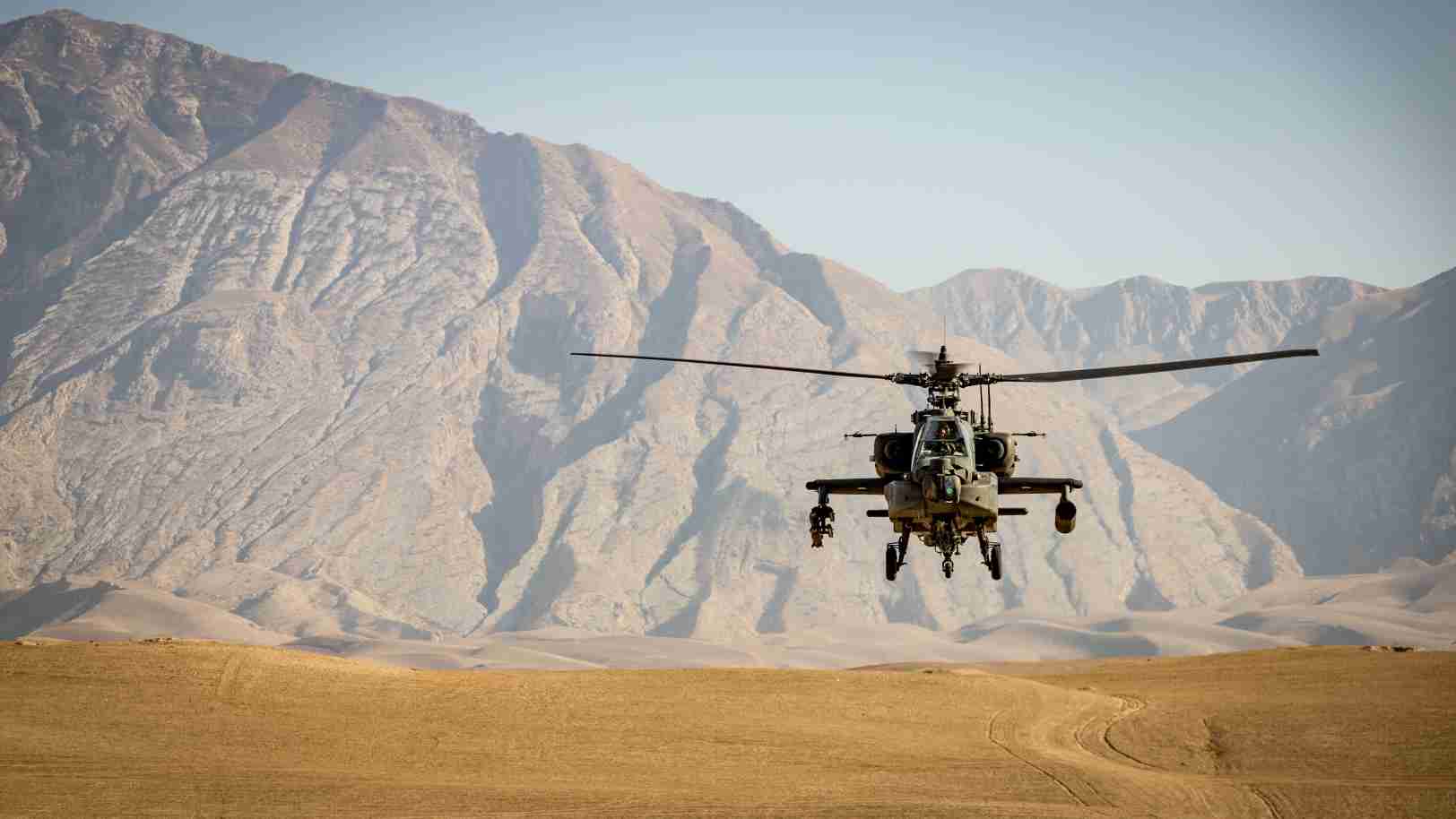
Pic Courtesy -Andre Klimke at unspalsh.com
(The views expressed are those of the author and do not represent views of CESCUBE.)

Gaurav Sen is a graduate from Delhi University. He is currently doing his Masters in International relations from Jawaharlal Nehru University, New Delhi. His research area includes IR theories, Great Power competition in Indo-Pacific, Maritime Security, Emerging Warfare Concepts, and Military Strategies.