Hydrogen Engineering and New Pathways
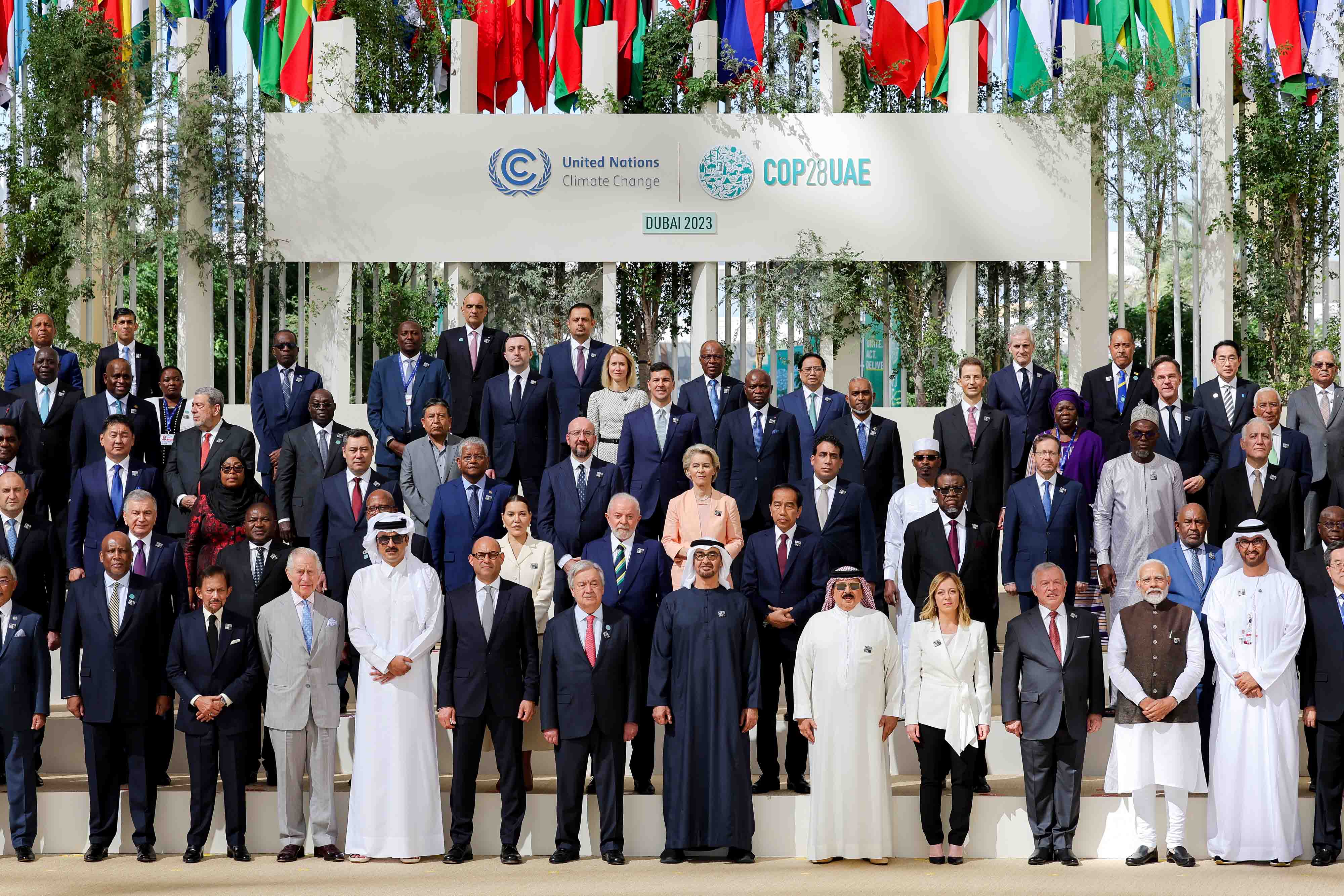
India, the world's third-largest emitter of greenhouse gases and third-largest energy producer and consumer, vowed to achieve net zero emissions by 2070 during the COP26 summit in 2021. In a recent webinar on "Energy for Sustainable Growth,...
The goal of these bold commitments is not only to promote sustainability and reduce the country's reliance on imported oil, but also to lower the share of energy derived from fossil fuel sources, which is inflicting long-term environmental harm. To meet these ambitious goals, the government is shifting its priority towards hydrogen engineering, which is regarded as the "green oil of the twenty-first century" by the global community.
But what is Hydrogen?
Hydrogen is the most abundant element in the universe. The sun and other stars are largely made of gaseous hydrogen. On Earth, however, it does not occur independently. That is, it is found on Earth in combination with other elements such as water, ammonia, methane, hydrocarbons, and so on. As a result, it must be removed/extracted from these elements to produce hydrogen gas, which is not only colourless and odourless but also tasteless and combustible.
But if hydrogen gas is colourless, then why do we frequently hear terms like green, turquoise, yellow, blue, pink, black, white, and brown hydrogen? As per national grid, "They’re essentially colour codes, or nicknames, used within the energy industry to differentiate between the types of hydrogen. Depending on the type of production used, different colours are assigned to the hydrogen. But there is no universal naming convention and these colour definitions may change over time, and even between countries.” (The hydrogen colour spectrum, n.d.)
However, not all types of hydrogen, such as gray hydrogen, can tackle the problem of growing carbon emissions because they produce CO2 as a by-product. This means that, rather than lowering carbon emissions, their use would increase them. Therefore, we need to use a kind of hydrogen that does not produce any undesirable by-products. Such a type of hydrogen is green hydrogen.
Green Hydrogen
Green hydrogen is produced by renewable energy through electrolysis of water and therefore is called green because it is produced without carbon emissions. There are three commercially available technologies for its production- production through Alkaline electrolysers, through Polymer Electrolyte Membrane Electrolysers and thirdly through Solid Oxide Electrolysers.

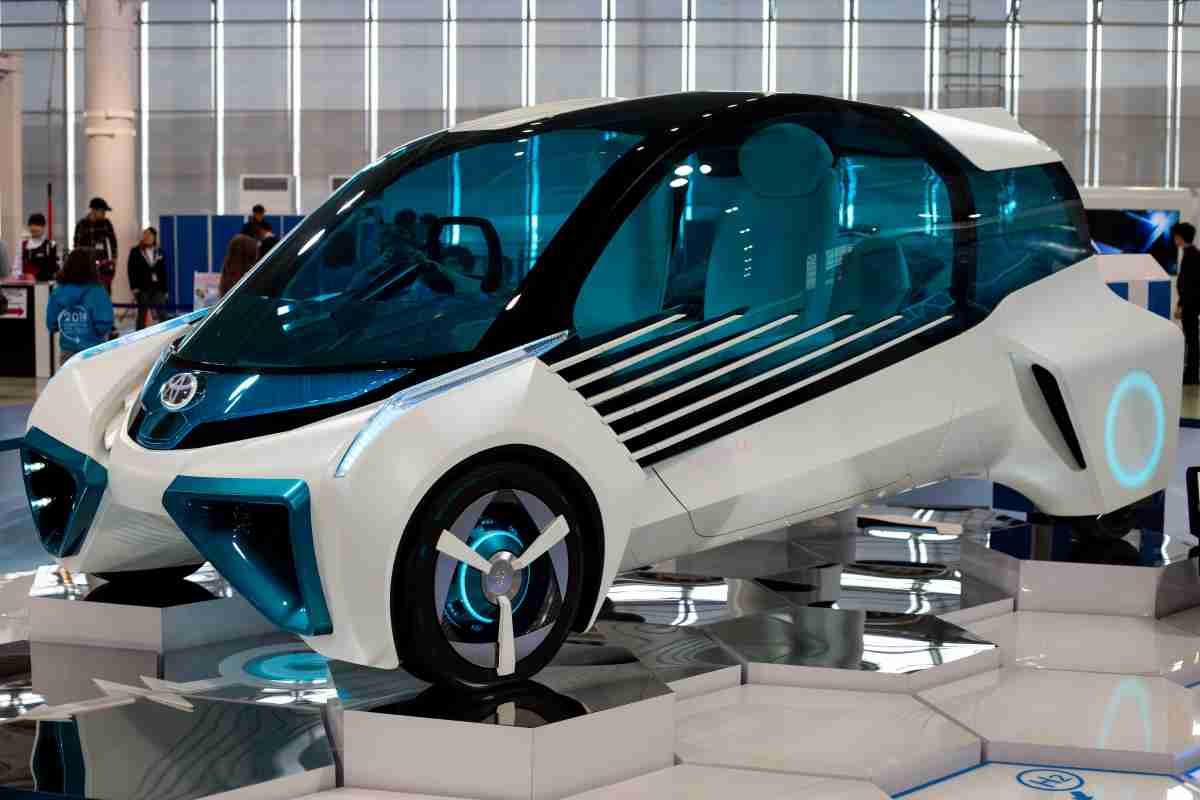
One of the most important charms of green hydrogen is that it has the capability to reduce emissions coming from transportation (contributes 1/3 of India's greenhouse-gas emissions), electricity generation and industry. Aviation sector, shipping and heavy vehicles always require high energy density fuel which can be easily met though green hydrogen as “the energy in 2.2 pounds (1 kilogram) of hydrogen gas contains about the same as the energy in 1 gallon (6.2 pounds, 2.8 kilograms) of gasoline” (Hydrogen Basics , n.d.). Secondly, due to its method of production, its supply is limitless. Thirdly, it can be produced through excess renewable energy and can be stored in large amounts for a long period of time. Fourthly, it can be easily stored in existing gas pipelines to power household appliances. That means we do not need separate infrastructure for its storage and transportation. Further, green hydrogen can decrease 3.6 Gigatonnes of cumulative CO2 emissions by 2050 (Karthik, 2022). Last but not least, it can be used in conjunction with fuel cells to power anything that requires energy, such as electric automobiles and electronic equipment (Lindsey, 2021).
‘Sustainable growth is possible only through sustainable energy sources”- PM Modi
In light of these advantages, the government of India has initiated various missions and policies. On August 15th, 2021, PM Modi launched the National Hydrogen Mission (Power, 2022), the aim of which is to aid the government in meeting its climate targets; to make India a green hydrogen hub; to meet the target of production of 5 million tonnes of green hydrogen by 2030; and to facilitate the development of renewable energy capacity. The government has also announced the green hydrogen policy, which exempts producers of green hydrogen from paying interstate transmission fees for a further 25 years. In addition, India is a member of the 'Hydrogen Valley Platform,' which aims to develop an integrated hydrogen ecosystem that includes production, storage, distribution, and end-use.
However, despite its many positives, green hydrogen still faces a slew of challenges that limit its widespread use such as concerns with respect to its transportation and storage as the hydrogen gas is highly flammable and has low density. Further study (Green hydrogen: an alternative that reduces emissions and cares for our planet, n.d.) indicates that due to the high cost of renewables and the rare earth minerals required as electrodes, the cost of producing green hydrogen is significantly greater than that of producing hydrogen from fossil fuels. There are safety concerns as well, because hydrogen is extremely flammable and needs stringent security measures to avoid leaks. In comparison to other fuels, the production of green hydrogen also demands more energy. Thus, it could be argued that widespread use of hydrogen would require enormous investments in every aspect of logistics, etc., which would be somewhat challenging for developing or least developed countries to offer.
With these difficulties in mind, India would need to take several initiatives, including the active engagement of Indian states to support the efforts of the central government; capacity building; skill development; sufficient investment in research and development; and defining medium-term targets to lower the price of green hydrogen. Our nation would be further guaranteed sustainable growth and energy resources with these efforts.
Bibliography
1. Green hydrogen: an alternative that reduces emissions and cares for our planet. (n.d.). Retrieved from Iberdrola : https://www.iberdrola.com/sustainability/green-hydrogen
2. Hydrogen Basics . (n.d.). Retrieved from US Department of Energy : https://afdc.energy.gov/fuels/hydrogen_basics.html
3. Karthik, M. (2022, August 18). Role of hydrogen as a clean fuel for sustainable mobility. Retrieved from DownToEarth : https://www.downtoearth.org.in/blog/renewable-energy/role-of-hydrogen-as-a-clean-fuel-for-sustainable-mobility-84385#:~:text=Green%20hydrogen%20would%20help%20reduce,of%20green%20hydrogen%20is%20encouraging.
4. Lindsey, T. (2021, May 12). Why Hydrogen May Be Renewable Energy's Best Bet. Retrieved from Industryweek: https://www.industryweek.com/technology-and-iiot/emerging-technologies/article/21163897/is-hydrogen-the-answer-to-renewable-energys-shortcomings
5. Power, M. o. (2022, February 17). Ministry of Power notifies Green Hydrogen/ Green Ammonia Policy. Retrieved from Press Information Bureau : https://pib.gov.in/PressReleasePage.aspx?PRID=1799067
6. The hydrogen colour spectrum. (n.d.). Retrieved from nationalgrid : https://www.nationalgrid.com/stories/energy-explained/hydrogen-colour-spectrum
Pic Courtsey-Darren Halstead at unsplash.com
(The views expressed are those of the author and do nto represent views of CESCUBE)

Neha Dayma has recently completed her Masters in Politics with Specialization in International Studies from Jawaharlal Nehru University. She is a political science graduate and also a current intern at Online Foreign Policy School. Her areas of interest include South- East Asia, West Asia, geopolitics, Indo- Pacific and India's foreign policy.