India and the Oceania- Exploring Vistas for Cooperation
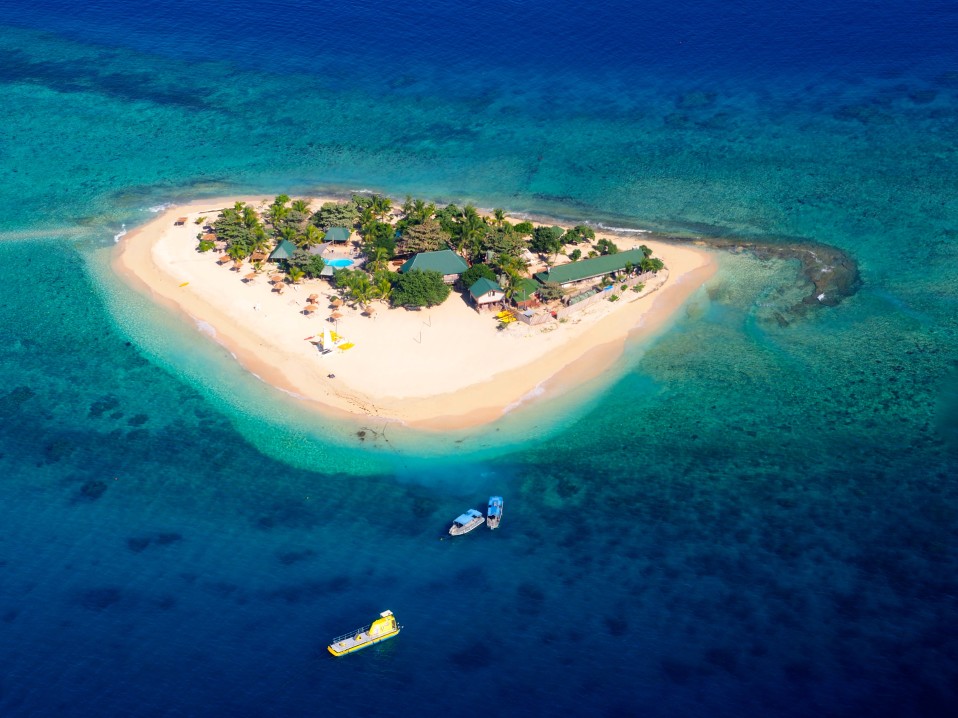
In the Indian foreign policy and strategic discourse, island nations have found a special reference. Those island nations, which lie close to the strategic sea lanes or are close to mainland, have important strategic and commercial signific...
The question, which needs to be asked, is that even if India does not cater to the demands of the islands and large nations in the Oceania, what possible impact can it have on its larger national and foreign policy interests? There are two major issues, which need to be considered before undertaking any answer to this question. Is India satisfied to be in the Southern Asian theatre or the political elite in India is keen to have global footprints? The question will remain unanswered till a proper policy articulation is made in this regard. One of the best advantages of the small and distant islands is that these islands can become models of development and growth, which can be applied to other underdeveloped and developing nations across the globe. Interestingly, it can provide tangible solutions through the study of the Blue Economy, which relies on development and sustenance through limited local resources. Moreover, the 21st century would become the century of Exclusive Economic Zones and the alternative source of economic development. Sea bed resources, and oil and natural gas found on the ocean floor would fuel economy as well as generate employment. The limited capital and human resources that many of these nations have would create cooperative structures, which can be exploited through regional consortium. Sustainable exploitation of sea bed resources would serve the island nation interests as well as fulfil their rational business needs.
Furthermore increasing reference to the concept of Indo-Pacific, which has been alluded to by many strategic thinkers, both from the West as well as Asia, clearly signifies the fact that this region of Oceania would play a more significant role in the future. Island nations have seen India through the prism of a socialist welfare economy, which has remained steadfastly committed to the cause of global cooperation and development. This has been referred to by many of the countries in the region, which have benefited from India’s ITEC programmes as well as scholarships, provided to the students and entrepreneurs of these nations. The benefit has trickled down to the society, but after late 1980s, with the collapse of the Soviet Union, for India, the problem of selecting new partners has somewhat stymied the flow of knowledge and intellectual capital to these nations from India. As a result, these nations have increasingly gravitated to other emerging powers, such as China and, to a certain extent, Japan.
The reminiscences of the brutality of Japanese forces during the Second World War have played into the psyche of these nations, and the diplomatic tug of war between Taiwan and China on the question of recognition has given these nations a bargaining power, which has served their interests in the long run. The entry of China into the geostrategic theatre has forced countries, like Australia, US and other major powers to recalibrate their strategy towards this region. Aid, assistance, development and infrastructure projects have become the new currency, which has been utilized by these nations. Invariably, the superiority of the US and its allied partners in the region has been challenged. China’s inroads into Timor-Leste and constantly improving relations with Fiji, PNG and Vanuatu have created concerns in the minds of the decision makers in countries like Australia and New Zealand. Recurrent natural disasters, i.e., storms and typhoons, have given very few options to these nations. Further, limited capacity in relation to policing and military capability has also posed serious challenges of military coups and ethnic struggle in many of these nations. One element, which has been the legacy of many resource rich nations in the region, has been the over exploitation of copper, gold and phosphate reserves. The anti-west tirade has given a fillip to their resource nationalism, but concerns related to climate change and over dependence on aid have given uncertain future for these nations.
Australia and New Zealand have remained, and will remain the major powers in the region, but more recently, the initiatives undertaken by Fiji to galvanize the island nations under the rubric of Pacific Island Development Forum shows that these nations want to carve out a separate identity for themselves. The UN sponsored initiatives as well as the urge to create possible employment opportunities have given a reason for nation building in these countries. From India’s point of view, there are a number of areas, which need to be studied in the region that can help in shaping India’s policy towards this region. This includes creating awareness about India’s nuclear policy, climate change negotiations, its stance on World Trade Organization negotiations and food security as well as its role as an accepted player. Further, among the major players in the region, India needs to devise a strategy to engage these nations. The possible options could be a larger participation in the Pacific Island Forum, comprehensive study of the capacities and capabilities, building sustainable development modules and engaging these nations under its underdeveloped nation’s programmes. A summit level meeting with the nations of this region would build understanding and create complementarities. However, a calibrated and sustained approach would work wonders. India should assist these nations in at least identifying and collating data related to their resources, both on land as well as in the Exclusive Economic Zones (EEZs). The low cost scientific research and financial assistance would work wonders for the benefit of the people of this region. India should also understand that any experimental development and capacity building model might even be applied in the context of the African nations and Indian Ocean states. The challenge of China would be minimal in this region in comparison to the Indian Ocean where China has always tried to match every dollar of assistance from any country, whether it is a major power or a regional player.
One of the major achievements of Prime Minister Modi as the international leader has been to reach out to the maximum number of countries while visiting any particular region or continent. This was apparent when he visited Latin America during the BRCIS Summit meeting where he tried to reach out to maximum number of heads of governments/States. The same feat was repeated during his visit to the South Pacific islands including the visit to Fiji. He showed and it also reflected in his speech that developing nations are the close partners for India and island nations which are facing challenges related to global warming, climate change, transnational crime and paucity of natural resources. These constraints and limited connectivity to the outside world add to their woes. These island nations need support for sustainable development and growth. He clearly articulated that India wanted to be a close partner in the development priorities and growth opportunities for the small islands. Offering a financial support of Special adaptation fund of US $ 1 million might be perceived as a small aid but given the fact that India is adept at providing low costs solutions along with its expertise and personnel training is a capacity building initiative. This fund might open new phase of engagement with these Pacific Island nations. The other proposals which he listed on the table were the Pan Pacific Island Project, visa on arrival for all fourteen Pacific Island nations. Under the institutional framework India has instituted FIPIC and three editions of this dialogue has been held so far which have been well received and provided India a glimpse of the challenges that these island nations face.
Overall, the book addresses the emerging challenges and the historical backdrop of the region. The lecture also aims to create awareness about the region and building on that argument, it poses a few policy options. For India, to be a global player as well as its intrinsic aspiration to be a UN Security Council member, the votes from these island nations would matter. India’s low cost education (particularly distance education), healthcare and agriculture equipment exports would create positive influence in the region.
Senior Research Fellow at Centre for Security & Strategic Studies.