India-Central Asia Summit: Takeaways and Way Forward
The rise in the geopolitical considerations in the Central Asia again started to gather attention after the first virtual summit between Prime Minister of India and head of the state of five central Asian countries convened on 27 January, 2...
After the dissolution of the Soviet Union, India and Central Asia are commemorating 30 years of diplomatic relations. Following the implementation of a revamped Central Asia policy that seeks a more proactive role for India in the region, New Delhi's relationship with the region has improved. The India-Central Asia Summit is another recent milestone of India's Central Asia policy. The 'Delhi Declaration' was adopted at the end of the conference. The relevant sections examine some of the document's significant points.
India and Central Asia have strong cultural and civilizational ties, but neither side has paid attention to this topic. Given the significance of historical linkages, all of the leaders agreed to organise regular meetings between culture ministers in order to advance collaboration in this field. India proposed commissioning a "Dictionary of Common Words used in India and CARs" to commemorate the linguist commonalities between Indian and CARs. Organizing a Buddhist exhibition in the CARs will also highlight the significant Buddhist ties that exist between the two regions. India suggested the establishment of the India-Central Asia Centre in New Delhi, which would serve as the summit's secretariat. This centre could serve as a focal point for multilateral cooperation in order to review and analyse the issues and potential of India-Central Asia relations. Furthermore, the next stages in bringing India-Central Asia relations to new heights were discussed. The Leaders decided in a historic move to institutionalise the Summit process by deciding to conduct it every two years. They also decided to hold frequent meetings of Foreign Ministers, Trade Ministers, Culture Ministers, and Security Council Secretaries to lay the basis for the Summit. A secretariat for India and Central Asia would be established in New Delhi to support the new structure.
India and central Asia both share the security concern regarding Afghanistan. Prime Minister of India has emphasized the significance of Central Asian countries to the region’s security and stability. India and Central Asia has seen some kind of agreement on the security noticed by the successes of ‘Delhi security Dialogue’ that occurred in last year in November. India and Central Asian leaders agreed to keep the Security Council secretaries/NSAs convening on a regular basis to review regional developments. Under the auspices of the SCO, Uzbekistan will host a "High-Level International Conference on Afghanistan" in Tashkent in July 2022. The formation of a Collaborative Working Group on Afghanistan will provide an institutional structure for India's and the CAR’s joint efforts to stabilise Afghanistan. Terrorism and extremism are seen as the greatest danger to regional stability by both India and Central Asia. As a result, more collaboration in combating both traditional and emerging forms of terrorism and extremism, such as cyber warfare, is a must. Terrorist financing is another issue that both India and Central Asia must deal with. Terror funding is another issue where both the parties are equally concerned and agreed upon to deal with it. Amidst all this Tashkent effort to convene an international summit in Dushanbe as a part of effort to curb terror financing is also significant effort in this respect.
Trade between India and Central Asia is falling short of its potential, necessitating concerted efforts on both sides to overcome the obstacles. The leaders praised the India-Central Asia Business Council's (ICABC) efforts to expand investment opportunities between the two countries. During the summit, it was also suggested that a 'India-Central Asia Investment Club' be established under the auspices of the ICABC to develop and promote the sector's prospects. Agriculture, energy, textiles, pharmaceuticals, education, information technology, and business process outsourcing (BPO) are among the industries in which both sides see opportunities to expand trade and investment. It is possible to create collaboration between Indian states and Central Asian nations along the lines of the Gujarat-Andijan alliance. Both India and the CARs believe that a road map for increasing industrial cooperation and bilateral trade is urgently needed. Connectivity projects such as the Chabahar ports, the International North-South Transport Corridor (INSTC), and the Ashgabat Agreement should be given top attention since they can help boost trade and economic cooperation between the two regions.
The Central Asian states extended their support for the INSTC integration with the Chabahar Port. Turkmenistan is also interested in joining the INSTC which will help in speeding up the connectivity with central Asia. A joint working group on Chabahar Port is envisaged that will assist in Identifying and addressing issues relating to India’s trade and economic cooperation with the Central Asia. Cooperation between educational institutions is an important step toward raising awareness among the people of India and the CARs. Indian universities are operating in Uzbekistan, as other Central Asian leaders have acknowledged. India also proposed hosting 100 members of a Central Asian youth delegation each year, which would foster greater mutual understanding between India and the CARs.
All the engagements that India in undertaking especially with Central Asia would help it strengthen its diplomatic and strategic ties. Both the parties have agreed that they’d conduct a summit in every two years, reflecting sheer commitment and will. The next meeting will take place in 2024. Till that time both the parties can work on the Delhi Declaration. At a time when the global politics is on a completely new turn, India’s agreement on working together on areas like Chabahar Port, India-Central Asia Investment Club, along with boosting trade and cultural ties with the countries of Central Asia will help diversify the Indian approach, and make it presence felt to a wider audience. These meetings have been a step in the right direction, and can add a feather to the Great Power aspirations.
References
· The First Meeting of the India-Central Asia Summit:
https://www.mea.gov.in/press-releases.htm?dtl/34759/The_First_Meeting_of_the_IndiaCentral_Asia_Summit
· https://pib.gov.in/PressReleasePage.aspx?PRID=1793068:
· Central Asia meet forms Afghan group - The Hindu: https://www.thehindu.com/news/national/prime-minister-narendra-modi-addresses-india-central-asia-summit-through-video-conference-on-january-27-2022/article38334622.ece
· Delhi Declaration at the India-Central Asia Summit: India launches ‘Act Central Asia policy’: https://timesofindia.indiatimes.com/blogs/ChanakyaCode/delhi-declaration-at-the-india-central-asia-summit-india-launches-act-central-asia-policy/
· India-Central Asia Summit: Shaping geopolitics in the extended neighbourhood | ORF: https://www.orfonline.org/expert-speak/india-central-asia-summit/
· PM Modi hosts first India-Central Asia Summit, outlines 3 goals | Latest News India - Hindustan Times: https://www.hindustantimes.com/india-news/pm-modi-hosts-first-india-central-asia-summit-outlines-3-goals-101643282671425.html
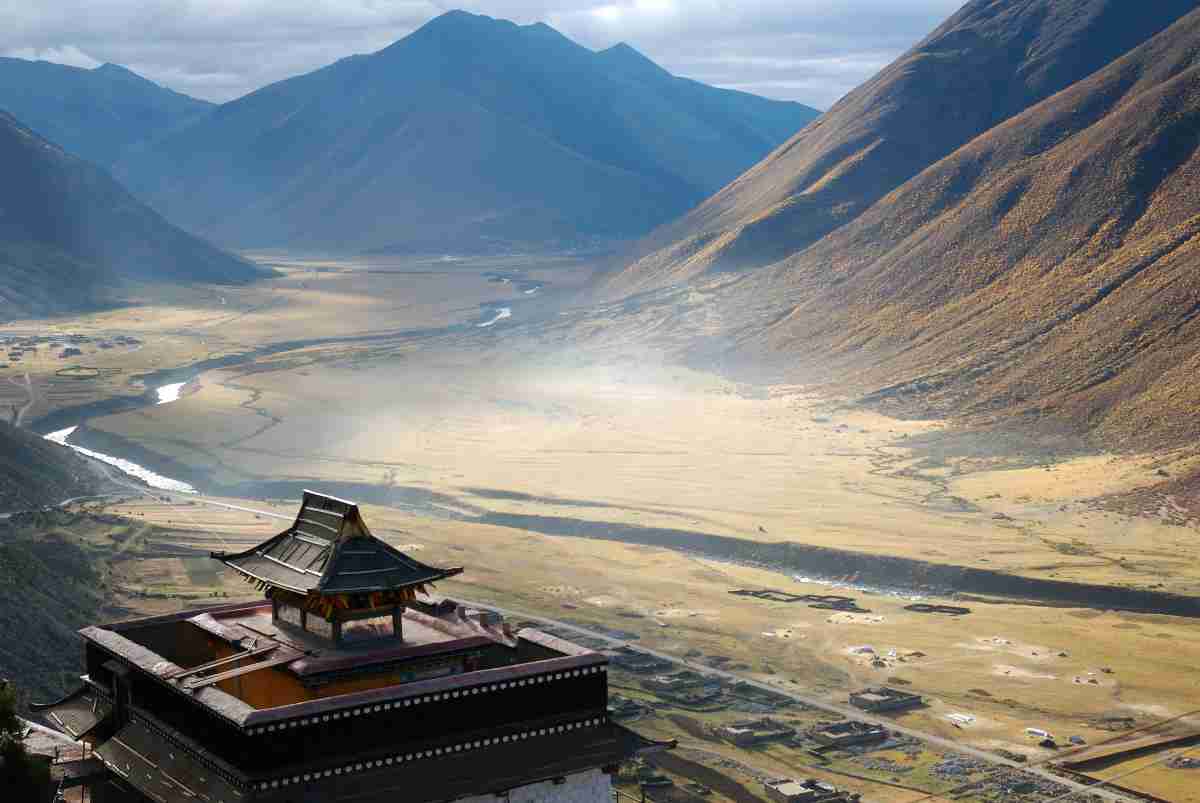
Pic Courtsey-Evgeny Nelmin at unsplash.com
(The views expressed are those of the author and do not represent views of CESCUBE.)

Khyati Singh has a Masters in International Relations from Jawaharlal Nehru University. Her research interest includes AI, Great Debates, Grand Theories, International Relations, and Post Colonial Literature in IR.