Issues of Child Soldiers in Armed Conflicts
The use of children in various conflicts around the world is perhaps the most immoral practice of war. Despite this fact, the presence of child soldiers in armed conflict has been rising at an alarming rate. Children can be seen involved in...
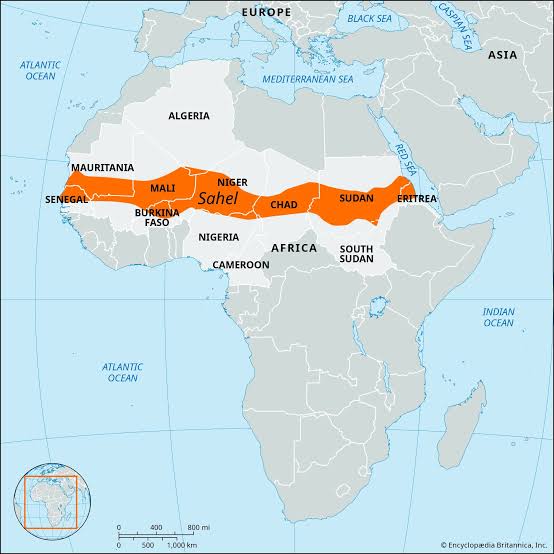
In 2017 itself, an estimated 100,000 were forced to become soldiers, a majority of them under the age of fifteen. As much as 30 percent of them are suspected to be girls. In the West African region, the problem is the most far-fetched, with it having the largest number of child soldiers. The roles and requirements of children differ across all regions in which they are involved. However, it remains a severe humanitarian crisis and a grave violation of human rights in all cases.
Recruitment
Children are used for various purposes in conflicts. They can be used for meagre jobs such as messengers, spies, cooks, guards, porters to more demanding and inhuman roles of being deployed as suicide bombers or becoming the human shields of adult combatants. They are also sent off to the front lines to fight head-on. Children as young as ten are handed deadly weapons like guns and grenades and used as toys in action. The issue begins right from the time of their recruitment. Most of the war-torn countries have a severe humanitarian crisis going on. People are under vast poverty debts, with widespread disease and famine prevailing. Most families do not have sufficient resources to provide for their children. In these extreme circumstances, parents are forced to send their children off to militia, which offers to provide for the needs of the children. In some cases, children are even sold off to armed groups for monetary reimbursement. But most commonly, children are abducted by the armed groups, who also dominate the regions they have captured. They threaten to kill or torture the family members if they do not send their children to join the rebellion forces. The involvement of children in armed conflicts can also be voluntary, who are often made to believe in the glories of war and whose parents also see it as a mark of pride and respect.
Psychological Conditioning
Terrorist organizations like the ISIS conduct a long-drawn process of indoctrination of their young recruits. They introduce a fully modeled curriculum that carries out intense ideological conditioning in their training. Children are brainwashed into believing the relevance of their cause of war and are made to dream about the honour and prestige it will bring them. The internet has also played a role in attracting children, primarily from western countries, into joining jihadist groups. Pictures and videos of children being trained in camps, using AK-47s and carrying out shootings lurk on social media and the dark web. Children are appealed to becoming a part of this, with promises of entering a fairyland. The Liberation Tigers of Tamil Eelam (LTTE), an armed opposition group in Sri Lanka, recruited thousands of children to fight in the civil war. It provided rigorous pre-military and civil training to cadets, who went through strict ideological conformity and thought development process. There is thus a complete psychological drilling of young and fragile minds, who have not yet developed a proper reasoning ability at such a tender age and are easier to convince.
Gender Roles
The number of females involved in armed conflicts is just as disconcerting. Most girls are recruited to perform essential activities of cooking and cleaning, which form an important task for the survival of the militia. However, a majority of girls are also subjected to gender-based violence. They often become sexual slaves of commanders and military leaders, who take them on as their mistresses and abandon them when impregnated. Young boys and men are asked to rape girls, which is supposed to raise their self-esteem. Instances of gang rapes are also observed, which is encouraged as a group-building exercise. In the Middle Eastern regions of conflict, where mostly the ISIS and al-Qaeda are dominant, and the laws of Sharia are promoted, the female role is strictly restricted to domestic work and providing sexual pleasures. They are kept away from fighting as women are only viewed as commodities that are incapable of being full-time fighters. Although, this is different in Africa. Girls are trained as combatants and are sent to the battlefield to be directly deployed as front-liners. According to UNICEF, terror organization Boko Haram used women and girls to carry out three-quarters of attacks in Nigeria in 2014.
Internalizing Violence
Child soldiers used in armed conflicts are extensively accustomed to violence. They are made to frequently witness extreme brutality, which leads to them obsessively liking violent activities. A high level of sadism is inculcated in them as they are asked to kill people, even their own family members. In whatever way the children perform these activities, either with reluctance or of their own will, they soon become desensitized towards any wrongdoing and habitual to the nature of their job. There is also the use of drugs and alcohol to dampen the extremity of their tasks and relieve the senses. Children become so used to watching and performing violence that they use tend to use it for everything.
Effects on Children Involved in Armed Conflicts
Many child soldiers who have been liberated through rescue operations conducted by the United Nations and other international groups have been found to be deeply traumatized. Many suffer from severe physical injuries or become disabled. Girls who have been subjected to sexual violence contract diseases like HIV/AIDS. Many of them are pregnant and become responsible for children at such an early age. Boys and girls are deprived of being raised in a protective environment of their family and lack basic social skills. Having witnessed atrocities and brutality, they are unable to reintegrate into society and also develop psychological disorders like Post Traumatic Stress Disorder (PTSD). Their physical and mental well-being is severely affected, and they suffer from its consequences lifelong. Once out of war, many children do not have anyone to go back to as most of their families might already be dead or refuse to accept them back. As a result, many children might return back to armed groups or get trapped in the consumption of drugs. Several efforts have been initiated by the international community to restrict the involvement of children in armed conflict, but the issue still remains largely out of control.
International Efforts and the Way Forward
The Optional Protocol on the Involvement of Children in Armed Conflict (OPAC) adopted in the year 2000 bars the use of anyone under the age of 18 in conflict. It further states that children under the age of 16 cannot be enlisted to fight, and those between the ages of 16 and 18 cannot be forced to join the force. Children must be fully informed of their duties, which cannot be combat-related until they turn 18. Another regional treaty, the African Charter on the Rights and Welfare of the Child, states that all necessary measures should be taken to ensure that no child takes direct part in hostilities, and all parties should refrain from recruiting them. The Paris Commitments and Guiding Principles also lay down comprehensive guidelines for the protection of children associated with armed groups. Despite these different measures, children continue on being deployed and put to use mindlessly. This matter should be urgently addressed with supreme importance by both the states who are involved in disputes and the international organizations. It is the state that bears the primary responsibility of ensuring that no child participates in any armed conflict happening within its jurisdiction. All legal measures should be taken to protect children, and at the same time, strict action should be taken against those who recruit them. The state should also rescue and rehabilitate all the children who have previously been involved. Child protection organizations around the world should pro-actively collaborate with the states and provide the necessary technical and operational assistance. They should aid in rehabilitation program implementation and garner the support of the international community to deal with any emergency situations. Proper education and re-education should be provided to children. This includes not just basic school-like education, but more importantly, addressing the beliefs and ideologies that they developed over the course of being soldiers and re-introducing them to their faiths. Along with this, they should also be trained in some skills which would help them provide for themselves and sustain themselves in the future. Children should be continuously monitored, given proper care and regular therapy sessions to improve their mental well-being. Last but not least, it should be ensured they are not vulnerable to violence again and are protected through and through.
References
1. Bloom, M. (2018). Child Soldiers in Armed Conflict. Armed Conflict Survey, 2018, 36–50. https://www.iiss.org/publications/armed-conflict-survey/2018/armed-conflict-survey-2018/acs2018-03-essay-3
2. Children recruited by armed forces or armed groups. (n.d.). UNICEF. https://www.unicef.org/protection/children-recruited-by-armed-forces
3. Mulroy, M., Ohelerich, E., & Baddorf, Z. (2020, April 14). Begin with the children: Child soldier numbers doubled in the Middle East in 2019. Middle East Institute. https://www.mei.edu/publications/begin-children-child-soldier-numbers-doubled-middle-east-2019
4. UNHCR. (2008). Children associated with armed forces or armed groups. In Handbook for the Protection of Internally Displaced Persons (pp. 183–191). https://www.unhcr.org/protection/idps/4c2355229/handbook-protection-internally-displaced-persons.html
5. Wulfhorst, E. (2019, February 12). Global count finds cases of child soldiers more than doubling. Reuters. https://www.reuters.com/article/us-global-children-soldiers-idUSKCN1Q12HQ
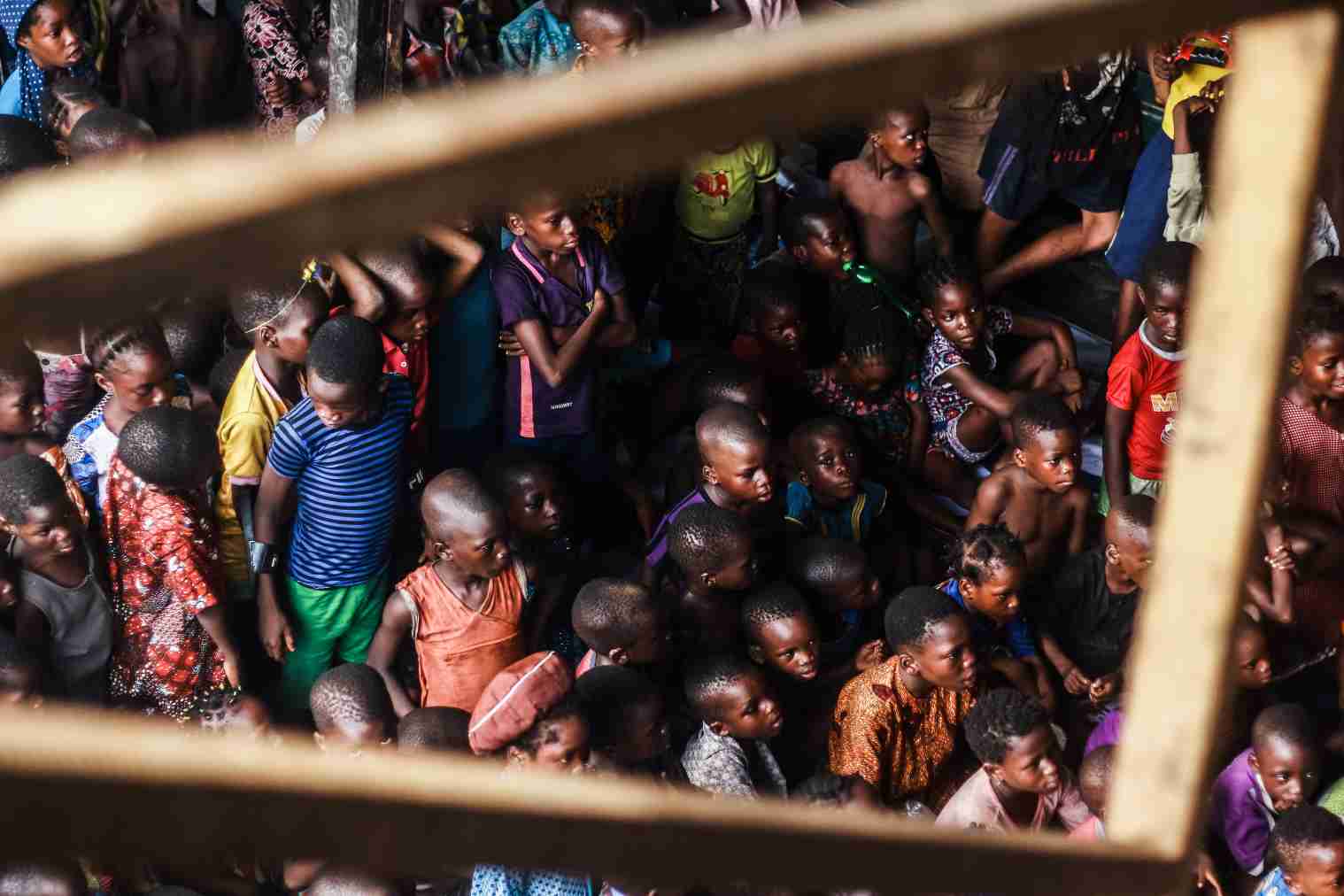
Pic Courtesy-Daniel Omolewa at unspalsh.com(The picture is used only for representational purposes).
(The views expressed are those of the author and do not represent views of CESCUBE.)

Hargun is an Economics major at Lady Shri Ram College for Women. She has interests in blockchain, finance and entrepreneurship. She has long been associated with social services, working in areas like education and women's development. An avid reader, she loves travelling and is also a photographer.