Malaysia’s projects under Belt & Road Initiative: A tale of high level corruption
‘Debt Trap Policy’ has been a notorious aspect attached with the multibillion-dollars Chinese developmental project named ‘Belt and Road initiative’, claimed to have committed for the institutional development on the mutual benefit, in whic...
The report first surfaced on the international level in 2019 taken Malaysian domestic politics in the turmoil, the newly appointed Prime Minister Mohammad Mahathir squarely blamed the previous government for maintaining cordial relations with China. However, the Belt and Road initiative had received a setback in Malaysia, and it is the first-time world came to realize that the Chinese companies are interested in political bungling to secure the benefits for themselves. 1Malaysia Development Berhad (1MDB) is a Malaysian government enterprise, established to drive strategic investment, was the main instrument. The plundering took place with the help of Malaysian Prime Minister Najib Razak, Businessman Low Taek Jho who had usurped estimated $7 billion from the country’s sovereign wealth fund 1MDB and colluded with the Chinese SOE China Communication Construction Company (CCCC) to inflate the price for infrastructure projects so that Najib could use the excess funds to pay off his 1MDB debts.
The Chinese alleged to have told the Malaysian officials that they would use their geopolitical influence to exhort the USA and other countries to drop their probes into allegations that Najib and his political allies’ misappropriation of finances from 1MDB. The desperation of Beijing to assist the Najib demonstrate the significance of the Malaysian infrastructural project to Chinese President Xi Jinping's signature Belt and Road initiative. The projects include the two oil and gas pipeline in the trans Sabah region and a 688km East Coast Rail Link (ECRL) Straits of Malacca to north-east peninsular Malaysia. The rail link is important in the sense that it connects the South China Sea to Malacca’s shipping routes intended to carry both passenger and freight worth USD2 billion.
The election followed by the victory of the Mahathir bin Mohammad in May 2018 led to a suspension of ECRL projects while the pipeline projects were cancelled by the government. However, the suspension came with no surprise as throughout his campaign Mahathir pledged to reduce the cost of the project as they are detrimental to the country’s burgeoning debt burden. Still, Mahathir before his first official visit to China in 2019, scrapped the three-project worth $23 billion, mainly holding his predecessor accountable for embarking upon these unscrupulous activities. He said “It is not about the Chinese; it is about the Malaysian government. They borrowed huge sums of money and now we have problems trying to repay the money that they have owed…That is Malaysians playing around with money, not even doing proper feasibility studies and due diligence before going into business.” By placing the responsibility on the Najib government, the former Malaysian Prime Minister could not only avoid straining bilateral relations with China but shifted the narrative away from the dominant BRI debt trap account to ‘Najib’s Debt’.
Although the cancellation of these infrastructural projects daunted the BRI’s grand scheme also it could befall as the domino effect in which incipient countries has to seek the avenues to renegotiate the cost of the projects. The case serves as a sample for the countries who consider working with Chinese companies on the BRI’s led projects, the whole incident indicates that the Chinese companies are willing to work with the corrupt governments and ready to influence the domestic politics in their favour.
The scrapping of the deals with Malaysia fueled the growing debate surrounding the geopolitical interest of Beijing following Malaysia the other countries also chastised the hyped prize of the projects under BRI that are likely to increase the debt burden of the participant countries. Nepal gained primacy in reacting to such suspicions’ and scrapped the deal of a $1.5 billion West Seti hydropower project on the failure of the demand to provide resettlement costs for the affected population. Similar development emerged in Myanmar where the government in 2018 scale down the $7.4 billion projects to develop the Kyaukpyu port in Rakhine state in the west of the country. The project partner was the Chinese SOE, CTIC group, although, the motive can be seen as a reaction to the much talked so-called ‘debt trap policy’; the Myanmar government sought to sharply reduce the costs in the efforts to avoid excessively indebted to the Chinese state. The most striking call off came from China’s ‘All-weather ally’ Pakistan who, in November 2018, cancelled the $14 billion Diamer-Bhasha dam project, in the northern Khyber Pakhtunkhwa province, set to be a key element of the China-Pakistan economic corridor. The reason to scrap the deal cited by the Pakistan Government is onerous financing terms and conditions for which the BRI projects are known for.
Nevertheless, these scrapped projects provide Beijing with the opportunity to assess the valuation and impact of the grandiose design on the regional and domestic political structure of the incipient country. The pushback indicates that it's not easy to export the infrastructural led growth model, the partners in the Indo-pacific might be unwilling to take on these projects when it contradicts their national interest.
References -
1. Malaysia’s Canceled Belt and Road Initiative Projects and the Implications for China – The Diplomat:
2. https://thediplomat.com/2018/08/malaysias-canceled-belt-and-road-initiative-projects-and-the-implications-for-china/
3. ‘We Cannot Afford This’: Malaysia Pushes Back Against China’s Vision - The New York Times:
https://www.nytimes.com/2018/08/20/world/asia/china-malaysia.html
4. Malaysia & China: Political risks associated with China's Belt & Road Initiative: https://www.a2globalrisk.com/analysis/asia-pacific/malaysia---china--political-risks-associated-with-china-s-belt---road-initiative
5. The Belt and Road Initiative as a Catalyst for Institutional Development: Evidence from Indonesia, Malaysia, and Myanmar | HKTDC Belt and Road Portal: https://beltandroad.hktdc.com/en/insights/belt-and-road-initiative-catalyst-institutional-development-evidence-indonesia-malaysia
6. China’s Belt and Road: Is Asia Getting More Cautious? The Diplomate
https://thediplomat.com/2020/01/chinas-belt-and-road-is-asia-getting-more-cautious/
7. Southeast Asia and China’s Belt and Road Initiative – The Diplomat: https://thediplomat.com/2019/05/southeast-asia-and-chinas-belt-and-road-initiative/
8. Bridging the Belt and Road Divide - Carnegie Endowment for International Peace: https://carnegieendowment.org/2019/10/10/bridging-belt-and-road-divide-pub-80019
9. China's Belt and Road Initiative (BRI) and Southeast Asia: https://www.lse.ac.uk/ideas/publications/reports/china-sea-bri
10. Domestic Politics in Southeast Asia and Local Backlash against the Belt and Road Initiative - Foreign Policy Research Institute:
11. https://www.fpri.org/article/2020/10/domestic-politics-in-southeast-asia-and-local-backlash-against-the-belt-and-road-initiative/
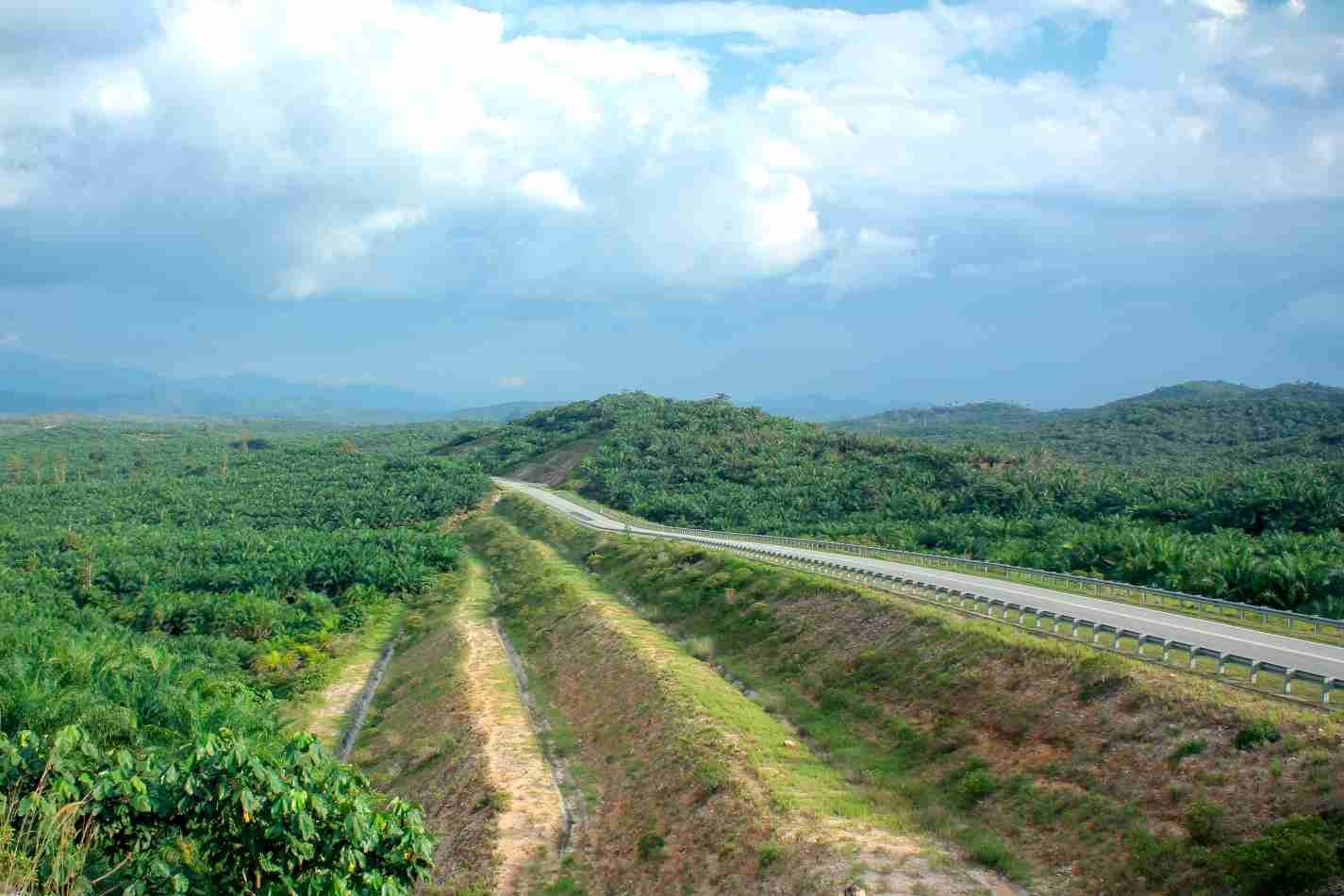
Pic Courtesy-Afdhal N at unsplash.com
(The views expressed are those of the author and do not represent views of CESCUBE.)

Gaurav Sen is a graduate from Delhi University. He is currently doing his Masters in International relations from Jawaharlal Nehru University, New Delhi. His research area includes IR theories, Great Power competition in Indo-Pacific, Maritime Security, Emerging Warfare Concepts, and Military Strategies.