Marine Pollution and Harmful Effects of Microplastics
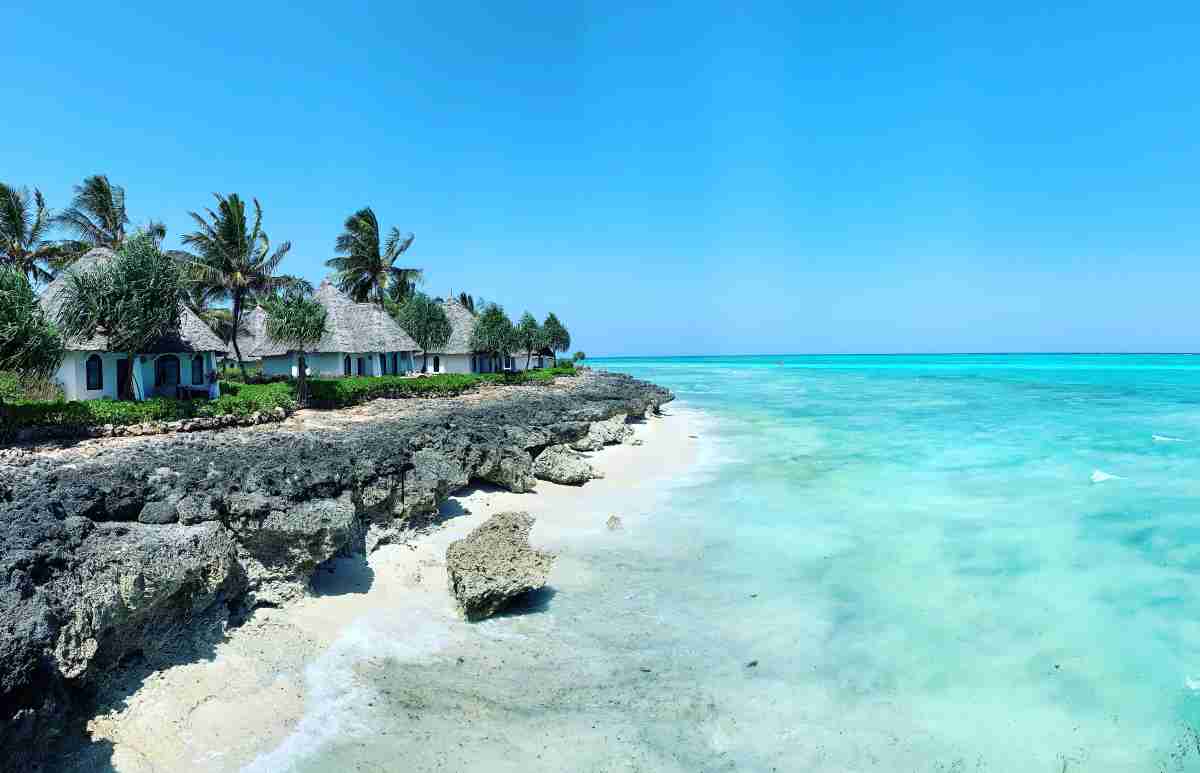
Marine pollution is a major cause of concern in today’s world. Our water bodies are polluted due to chemicals and garbage produced by anthropogenic actions. Among the concentrated toxins, plastic is the most prevalent type of marine debris ...
Marine Pollution: Causes and Effects
The majority of the Earth's surface is covered with ocean water. It is not only a crucial element of life that maintains ecological balance but plays an important role in trade and commerce, industrial development, leisure activities, and food supply. Human beings have destroyed the marine ecosystem by releasing waste into the water bodies. Myriad species of plants and animals dependent on ocean water are on the verge of annihilation because of indiscriminate disposal of industrial, household, and agricultural waste; oil spills; ocean mining; and so on. Excessive human intervention in marine ecology has a long-lasting impact on life under the water. The following are the wide range of causes that results in ocean pollution [1],
a) Dispersal of industrial chemicals which does not get dissolved or fragmented.
b) Accidental or intentional dumping of oil into the water.
c) A continuous flow of sewage through rivers or drainages directly into the ocean.
d) Land runoff due to flooding and extreme rainfall washes away man-made harmful pollutants on topsoil.
e) Fertilizers, pesticides, and insecticides used for agricultural purposes.
f) Disposal of daily use plastics including bottles, polythene, and plastic bags.
g) Climate change leading to an increase in the temperature of the water bodies at an alarming rate.
Amassing waste is devastating the environment inside the waters and around it, deteriorates the health of living organisms, and degrades the entire economic structure globally. The majority of the marine debris is transferred from land due to poor waste management methods. An increase in toxicity of the water has major consequences which are detrimental to the entire ecosystem [2].
a) Accumulated debris use concentrated oxygen in the ocean bodies for the process of decomposition, further, reducing the survival rates of the marine organisms.
b) Oil spills and poisonous chemicals from factories cause health effects on marine life resulting in reproductive and behavioral changes.
c) Marine pollution disrupts coral lifecycle as the waste forms a thick layer over water preventing the sunlight to reach out to plants underneath.
d) Industrial and agricultural toxins get carried away into oceans and consumed by marine animals affecting the whole food chain.
e) Food supply from such contaminated waters in turn creates unalterable health issues among humans leading to cancer, birth defects, and many other chronic diseases.
Microplastics: Destruction of Marine Ecosystem
Among the common types of waste reaching into the oceans, plastics are the most problematic. Plastics can exist in the water bodies for years without decomposition, therefore, they are extremely harmful to the marine ecosystem. As per reports, around 8 million metric tonnes of plastic enter our oceans every year [3]. Plastic remains a highly used substance in all industries circulating within the communities ranging from shopping bags to cutlery. The world produces 2.5 billion metric tonnes of solid waste within which 275 million metric tonnes is only plastic waste. A large amount of plastic generated on the surface is extensively mismanaged and makes its way to water sources. The situation is going to get worse as it is assumed that plastic production and consumption are going to double in the next 10 years. As the demand for plastic in daily use increased rapidly, inadequate disposal procedures are resulting in the dispersion of plastic pollutants into the marine environment. The most recent example is the disposal of face masks and other plastic laboratory materials detected in water bodies since the pandemic began. Without proper mitigation measures, the ocean ecosystem is heading towards ruination.
Plastic waste comes in all shapes and sizes and microplastics are the smallest within all the categories. Microplastics are less than 5 millimeters in diameter acting as vectors by sorbing pollutants resulting in bioaccumulation of such pollutants in the environment [4]. These accumulated pollutants are further exposed to the food webs causing various health hazards. Microplastics are generated through wastewater treatment plants, landfills, agricultural fields, industrial discharge, and domestic waste. Oceans are threatened by irresponsible development in coastal cities and an increase in port and shipping activities because these lead to the formation of more coastal dumping sites and landfills. Such plastic litter degrades into microplastics through photolytic, mechanical, and biological processes which can be further broken down into nano plastics causing permanent damage to our water bodies. Microplastics are extremely dangerous as they are easily ingested by marine organisms due to their size deficiency and ultimately reach the food chains.
One form of microplastics known as ‘microbeads’, are tiny pieces sized less than 2 millimeters of manufactured polyethylene plastic that are used in cosmetic and health care products for the process of exfoliation [5]. Again, this is not a novel issue. Microbeads have been added to products including cleansers and toothpaste to phase out the use of natural ingredients. The problem was not highlighted before due to a lack of awareness among the consumers about its ill effects. Microbeads pass through water outlets or passages from domestic or industrial spaces and end up in oceans which are further disrupting the aquatic life.
A Way Forward
The 21st century is the time to bear the ramifications of the rampant plastic production done earlier. Plastic pollution is a man-made disaster requiring critical attention. Today the world is witnessing the formation of garbage patches in oceans due to the centripetal force of the ocean gyres. There are five gyres around the world pulling marine debris from the surface to the ocean floor. The most popular of these patches is the 'Great Pacific Garbage Patch' located in the Northern Pacific gyre [6]. The amount of litter collected in the water is soaring each year and there seems to be no durable solution for it. The task to clean all the patches completely is close to impossible, therefore, the concerned authorities must formulate tough legislative policies to drastically reduce further addition to existing marine debris.
To curb the accumulation of plastics especially microplastics in the seas, it is imperative to determine the source, transportation method, degradation, and further consequences. Stringent measures have to be implemented both on the demand and supply sides. Efforts have to be undertaken to control plastic consumption and adopt recycling methods to reduce plastic waste. On the other hand, innovative research can be developed to cut back on plastic use and provide eco-friendly alternatives. Also, it is important to encourage the use of biodegradable plastic to resolve the contamination issues in the marine ecosystem. Moreover, it is crucial to establish a sturdy waste collection system to keep a constant check on plastic litter. Many developing countries including India have initiated substantial policies to execute a ban on single-use plastics which is the first step towards a plastic-free marine environment. Therefore, changing our approach towards the use of plastic is the key to managing marine pollution effectively.
References
[1] https://www.earthreminder.com/marine-pollution-types-causes-effects-prevention/
[2] https://www.conserve-energy-future.com/causes-and-effects-of-ocean-pollution.php
[3] https://oceanconservancy.org/trash-free-seas/plastics-in-the-ocean/
[4] https://progearthplanetsci.springeropen.com/articles/10.1186/s40645-020-00405-4
[5]https://oceanservice.noaa.gov/facts/microplastics.html#:~:text=Microplastics%20are%20small%20plastic%20pieces,our%20ocean%20and%20aquatic%20life.&text=Plastic%20is%20the%20most%20prevalent,our%20ocean%20and%20Great%20Lakes.
[6]https://marinedebris.noaa.gov/info/patch.html#:~:text=Garbage%20patches%20are%20large%20areas,whirlpools%20that%20pull%20objects%20in.
Pic Courtesy-Med J at unsplash.com
(The views expressed are those of the author and do not represent views of CESCUBE.)

Poonam Jindal is post graduate in International Relations from O.P. Jindal Global University. She did under- graduation in Political Science from Delhi University. She has experience in primary and secondary research and has done a certificate course on Conflict Management from Bar-Ilan University in Israel. Ms Jindal has studied East Asian Politics at National Chengchi University in Taiwan and co- authored a paper on China Military Modernization. Her research interests include China Studies, Geo-politics in Asia, Diplomacy and Security Issues. She is Research Assistant with CESCUBE.