New Government in Maldives and India’s predicament
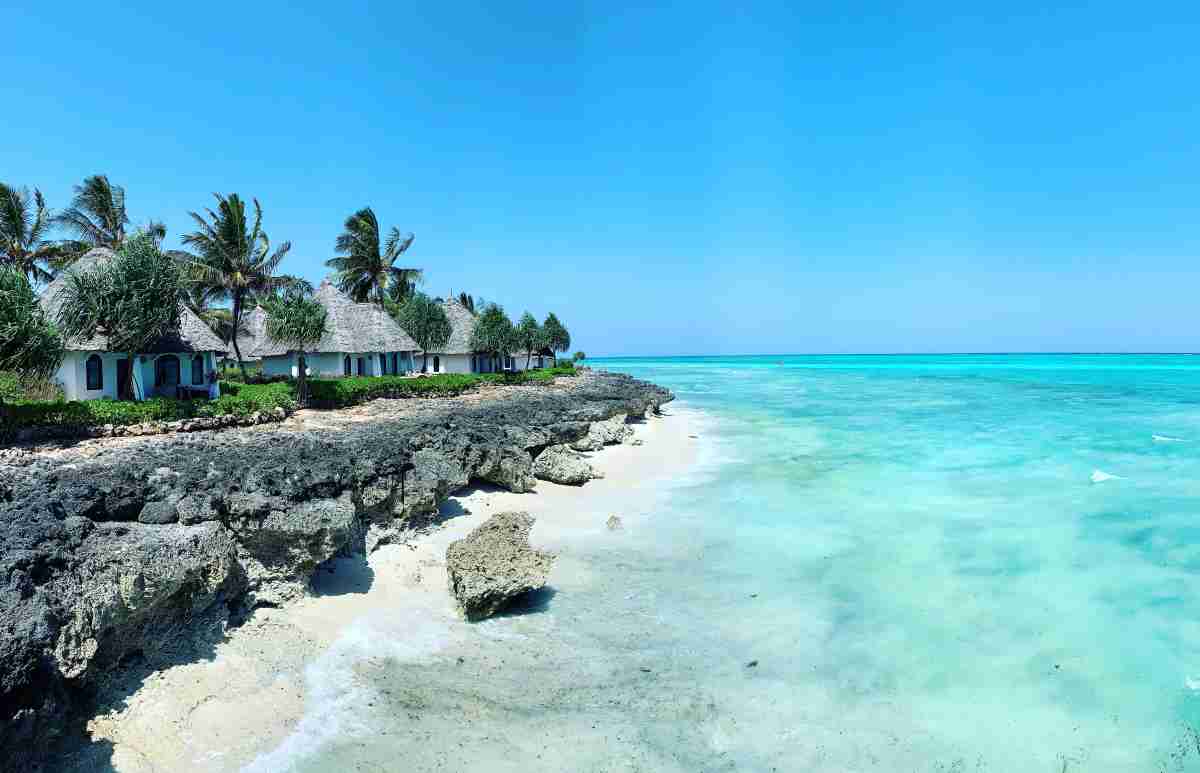
The recent election of Mohammad Muizzu as the new President of Maldives has sparked a flurry of interest and speculation, particularly within India.He has now formally asked India to remove its troops from the island. This article aims to u...
Who is Mohammed Muizzu?
Mohammad Muizzu is the newly elected President of Maldives, having won the presidential election on September 30, 2023. He garnered 54% of the votes, defeating Ibrahim Solih, the previous president, who received 46%. Muizzu's victory was acknowledged by several leaders, including Indian Prime Minister Narendra Modi, who congratulated him on social media.
Before becoming president, Muizzu held the position of mayor of Male, the capital city of Maldives, although he was not very popular in this role. He was supported by former President Abdulla Yameen and ran as a candidate from the Progressive Alliance, a coalition comprising the Progressive Party of Maldives and the People's National Congress.
Muizzu's political stance leans toward a pro-China orientation, leading experts to speculate that his presidency may bring about a shift in Maldives' foreign policy, favouring closer ties with China. This inclination is reflected in his election campaign slogan, "India Out," which has raised concerns about the future of India-Maldives relations.
Why Muizzu is Campaigning for “India Out”?
Muhammad Muizzu's "India Out" campaign stems from various concerns regarding the level of dependency on India in the Maldives. One of the key issues raised by Muizzu is the perceived excessive reliance on India in terms of defense. India has provided significant defense items, including fast patrol vessels, a landing craft assault ship, helicopters, and a small aircraft, aimed at enhancing the maritime capabilities of the Maldivian National Defense Forces. However, Muizzu argues that this reliance compromises the sovereignty and independence of the Maldives.
Another concern raised by Muizzu is the presence of Indian military personnel in the Maldives, specifically around 75 personnel operating and maintaining an Indian aircraft. Muizzu contends that such a level of foreign military presence constitutes interference in Male's internal affairs and undermines the autonomy of the country.
In addition to these concerns, Muizzu's campaign also taps into nationalist sentiments, emphasizing the need for the departure of Indian military personnel from the Maldives. This position is driven by a desire to assert the Maldives' sovereignty and foster a sense of self-reliance in the country's defense capabilities.
Furthermore, Muizzu's campaign is fuelled by the perception of Indians as spies and interlopers due to India's support for the Maldivian National Defense Force's coast guard fleet. Recent developments, such as the signing of an agreement to fund the development of a vessel repair and maintenance facility in the Maldives, have further solidified the perception of Indian interference, according to Muizzu.
Ibrahim Solih- the outgoing President
Ibrahim Solih, a prominent political figure in the Maldives, is a member of the Maldivian Democratic Party. He held the position of President of the Maldives since coming to power in 2018. Throughout his tenure, Solih maintained a strong and amicable relationship with India, emphasizing their close ties and partnership.
Under Solih's leadership, India and the Maldives enjoyed a robust relationship, marked by cooperation across various sectors. Solih regarded India as a valuable neighbour and partner and adopted a positive stance towards India's neighbourhood-first approach. Both countries worked together on initiatives such as SAGAR (Security and Growth for All in the Region), which further strengthened their bilateral ties.
Despite Solih's efforts to foster a strong partnership with India, he faced significant challenges during the presidential election that ultimately led to his defeat. Anti-incumbency sentiments played a crucial role, as some voters expressed dissatisfaction with the incumbent government. Concerns over the post-COVID economy, particularly its heavy reliance on tourism, also affected public sentiment. Internal divisions within Solih's own party further complicated matters, leading to a lack of unity and potentially impacting his electoral prospects. Additionally, Solih faced criticism for not delivering substantial infrastructure projects as promised during his campaign.
Importance of Maldives for India
The Maldives holds significant importance for India due to its strategic location in the Indian Ocean Region (IOR) and the presence of several international sea lines of communication (SLOCS). Its proximity to India's southern coast enhances India's strategic reach and influence in the region. Furthermore, the Maldives serves as a crucial maritime link between the Middle East, Africa, and Southeast Asia, making it a key player in regional geopolitics.
BBC’s interview
During an interview with the BBC, Muizzu was questioned about his "India Out" campaign. He responded by stating, "We have foreign military troops here, and in this case, they happen to be from India. We do not want any foreign military boots on Maldivian soil. The people of Maldives are against any foreign military presence in our country, and we aim to address this issue. I made a promise to the people of Maldives, and I will fulfill it from day one."
Muizzu mentioned a cordial meeting with the Indian High Commissioner during the ongoing transition period, which will conclude with an inauguration ceremony on November 17. He expressed hope for productive discussions with the Indian government to resolve this matter. Muizzu firmly believes that every country has the right to sovereignty without foreign influence and emphasized the importance of diplomacy in finding a solution.
When asked about the Indian perspective, which suggests that Indian military personnel are present to maintain and operate helicopters and drones provided by India, Muizzu confidently stated that the Maldives has a well-trained military staff capable of handling these responsibilities. He emphasized that the country does not require foreign military personnel to operate these assets.
Regarding his alleged pro-China stance[HD1] , Muizzu clarified that he is a pro-Maldivian individual. He prioritizes the interests of the Maldives, its independence, and sovereignty above all else. Muizzu stressed that any country respecting these principles will be considered a friend. While India is the closest neighbour, he stated that all countries, including China, are treated equally in terms of sovereignty and independence. Ultimately, Muizzu asserted that he will not permit any country, whether it be China or India, to establish a military presence in the Maldives.
Way Forward
Considering Muizzu's views, we can expect that India's position will remain pre-eminent in the Maldives. However, the Maldives will also continue to push for closer ties with China, given its past alignment with Beijing during Yameen's presidency, who is Muizzu's mentor. This may lead to a continuation of the political competition between China and India for influence in the Maldives.
Nevertheless, the Maldives is aware that it is not in its best interest to solely rely on China. The country's experience with Chinese debt and concerns about over-dependence serve as a reminder of the importance of diversifying its partnerships and maintaining a balanced approach.
For India, it is crucial to avoid creating the impression that it has favourites within the Maldivian political landscape. To navigate these complex dynamics successfully, India must adopt a middle approach that focuses on cooperation, engagement, and partnership without resorting to a zero-sum game mentality. This approach will allow India to safeguard its interests, maintain its regional influence, and foster a mutually beneficial relationship with the Maldives.
Pic Courtsey-Med J at unsplash.com
(The views expressed are those of the author and do not represent views of CESCUBE.)

Neha Dayma has recently completed her Masters in Politics with Specialization in International Studies from Jawaharlal Nehru University. She is a political science graduate and also a current intern at Online Foreign Policy School. Her areas of interest include South- East Asia, West Asia, geopolitics, Indo- Pacific and India's foreign policy.