Tehrik-e-Labaik Pakistan (TLP) group and Violent Protests in Pakistan
Tehreek-e-Labbaik Pakistan is a far-right Islamic extremist political party based in Pakistan. The word Tahreek-e-Labbaik interprets as “Movement of the Prophets followers”. It is an extreme Sunni Islamist group. Tehreek-e-Labbaik was ...
The TLP is known for organizing mass movements like this in the past as well. In October 2020, a teacher was beheaded near Paris for displaying a cartoon of Muhammad. After French President Emmanuel Macron took a hardened stance in opposition to radical Islamists, the founding father of the TLP, Khadim Hussain Rizvi called on Pakistan to cut diplomatic ties with France, He asked his followers to launch mass protests in Islamabad. A few days later, he died because of illness, and the protests have become more violent under the aegis of his son, Saad Hussain Rizvi.
On 11 April 2021, Saad Rizvi launched a video message asking TLP followers to launch protests throughout Pakistan if the authorities did not expel the French ambassador from the country by 20 April. On 12 April, Rizvi was arrested in Lahore charged with Pakistan's Anti-Terrorism Act, 1997 (ATA), which in addition angered protesters, inflicting big unrest and violent protests.at least 2 people were killed in the riots on 12 April. In addition, TLP claimed that protesters have been shot dead in Faisalabad and Karachi. Later, a spokesperson of TLP stated that at least 4 protestors have been killed, hundreds got injured and thousands have been arrested by the police.
On thirteen April, one police officer was beaten to death by the rioting mob in Lahore, while forty others have been injured. Tayyab Rizvi, the TLP spokesperson claimed that a total number of 12 TLP workers "martyred" in the protests by the second day. Punjab Police spokesperson confirmed that 2 police officers have been killed by the protesters who used clubs, bricks and firearms to assault them. Paramilitary forces have been brought in to help the local police throughout various towns such as Lahore, Bahawalpur, Dina, Gujranwala, and Rawalpindi. "The Pakistan government banned the TLP on 15 April, accusing them of terrorism as their protestors had engaged in street violence and attacked public law enforcers."[1] On 18 April, the Pakistani police claimed that the TLP had taken six security personnel hostage in Lahore, along with a senior police officer and paramilitary soldiers. Later that day, Interior Minister Sheikh Rasheed Ahmad stated that "eleven policemen who had been taken hostage by TLP were released after negotiations among the Government of Punjab and TLP."[2]
The Tehreek-e-Labbaik Pakistan protests continued after the failure of negotiations with the government, which aimed to release the TLP Emir Saad Hussain Rizvi and deport the French ambassador. TLP staged a protest on Multan Road in Lahore, after the authorities failed to meet the deadline set for the release of its leader Saad Hussain Rizvi, the party announced a march towards Islamabad.“France advised its citizens and French companies to temporarily leave Pakistan due to the violent protests and serious threats.”[3] However, several French nationals refused to leave the country, stating that the threats were from TLP radicals, but not from ordinary citizens. The protestors were marching towards the nation’s capital Islamabad to organize a mass protest city, the police forces of Pakistan are trying to stop the thousands of protestors trying to enter the city at the borders.
The pressure was building upon the government as the forces failed to control the protests and violence, recently the Pakistan government has struck an agreement with the banned organization, on which the government filed many cases related to terrorism.
Mufti Munibur Rehman, one of the five ‘guarantors’ of the negotiation has said in a press conference that “The government of Pakistan and the TLP held detailed negotiations in an environment of mutual trust and an agreement has been reached between the two sides”, Both parties of the negotiation are maintaining secrecy over the details of the negotiations as of now, The Pakistan govt assured the leaders of the TLP party, that they will take steps to lift the ban and unfreeze the accounts and assets of the outfit. The Pakistan govt has also agreed to release all the arrested workers of the party. And agreed to drop all minor charges against the TLP leadership.
Religious scholar Mufti Muneeb said, “The government of Pakistan and the TLP had a detailed discussion, and an agreement has been reached between the two sides.” Addressing a joint press conference, he also mentioned that “the details will be shared at an appropriate time.”
“A committee will be set up to oversee this matter. State minister for parliamentary affairs Ali Muhammad Khan will be its head, while Punjab law minister Raja Basharat will also be a member, From the Tehreek’s side, Mufti Ghulam Ghous Baghdadi and Hafeezullah Alavi will be on the panel.”[4]
Shah Mehmood Qureshi, the foreign minister Pakistan's, Asad Qaiser the National Assembly Speaker led the government’s 12-member negotiation team, while the outlawed group was represented by Mufti Ghulam Abbas Faizi and Mufti Mohammed Ameer, among others.
Pakistani Interior Minister Sheikh Rashid mentioned that "The hope is that whatever their matters have been decided, their details will come out in seven to 10 days and they will be positive." Mufti Munib later told that the TLP agreed to vacate GT Road, shift its sit-in to the ground in Wazirabad and would gradually end its protest with the implementation of the deal.
With its violent protests, the TLP has been very successful in bringing the Pakistan government to its knees and achieving most of its objectives for the protests, even though there is no information on one of the main demands of the TLP which is to expel the French ambassador from the country. Making a deal with an organization that has been banned for terrorist-related activities is giving space to analyse the commitment of Pakistan to fight the terror and violent fundamentalist organizations, this is the second time in the month where Pakistan has shaken hands with the organizations which cause violence and death of cops and innocents. Pakistan is also working on a peace deal with Tehrek-e Taliban, this can show the picture of Pakistan position currently clearer to the international community and people around the world. This shows the Pakistan government failing continuously in maintaining law and order in the country and these actions are deteriorating Pakistan's international reputation. The fact that the organization didn’t do so well in the previous elections shows that most people of Pakistan don’t support the organization. The support for the draconian blasphemy laws is fueled by the anger derived from the extreme fundamentalist belief in the religion, which is motivating a part of the population to put religious interests in front of national interests. Even though prime minister Imran Khan said that Pakistan won't accept the demand to close the french embassy and expel the french envoy, there is still no proper view on where the government stands now on that decision. Cutting diplomatic ties entirely and closing down embassies can lead to severe consequences for Pakistan's international relations. The actions can represent Pakistan’s government's inability to control its population, and it will send out a message that with violent riots any organization can promote its propaganda and make the government a puppet and play with it. This can in turn demean the government’s dominant position in the eyes of the Pakistani people and other countries and can lead to violent protests every time a popular non-state actor want something from the government.
Notes
[1] https://www.newindianexpress.com/world/2021/apr/17/pakistan-pm-imran-khan-asks-western-govts-to-outlaw-disrespect-for-prophet-on-lines-of-holocaust-2291255.html
[2] https://www.dawn.com/news/1618944
[3] https://www.ndtv.com/world-news/france-advises-citizens-to-leave-pakistan-after-violent-protests-2414605
[4] https://www.hindustantimes.com/world-news/pakistan-govt-tlp-reach-agreement-group-agrees-to-call-off-protests-101635681230868.html
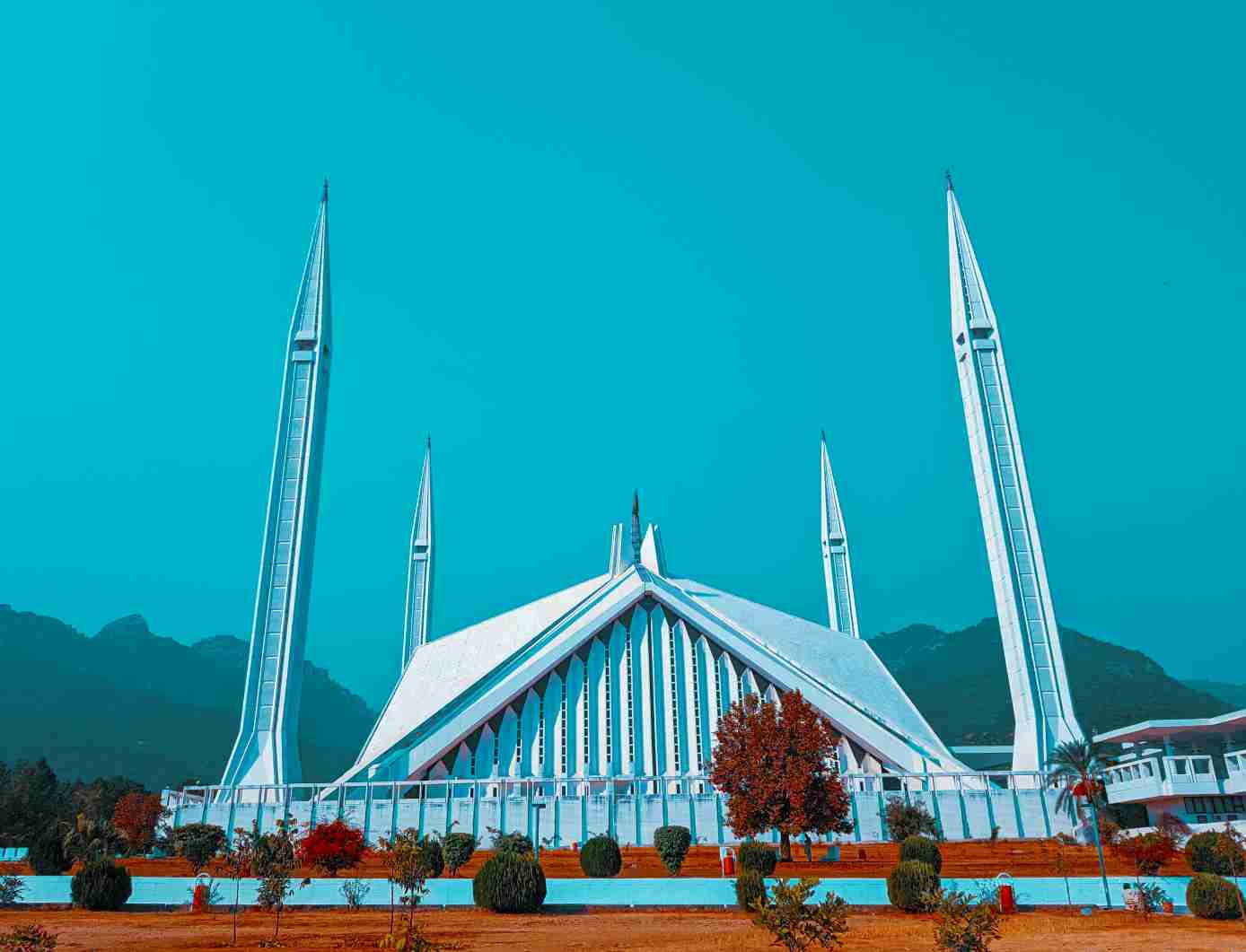
Pic Courtesy-Ali Muhammad at unsplash.com
(The views expressed are those of the author and do not represent views of CESCUBE.)
Sharath Kumar Kolipaka is doing a masters degree at Jindal School of International affairs, specializing in national security and peace and conflict studies.