The Referendum in New Caledonia: In search for Independence
New Caledonia is small Island situated in the Pacific Ocean. With a population of 271,407, it has been under French rule since 1853. Indigenously populated by Kanaks which have now been reduced to a minority. New Caledonia has been fighting...
The first referendum happened in 2018 in which they rejected independence and then again in 2020. The last referendum happened in last in which a total of 96.49 per cent of the population cast their ballot against independence from France. However, the turn-out was very low. Only 43.9 per cent of the population showed to the polling booths. The reason for that is the Kanaks that are the indigenous population and stand for the independence of the island called for nonparticipation in the vote as France declined their request of delaying the referendum since the loss of lives during the covid-19 pandemic. Also, according to Kanaks tradition mourning period for the dead ones last for over a year. France’s decision to hold the referendum against the wishes of the Kanaks indicates an urgency. French authorities have, however, denied any wrongdoing and have emphasized the result of the previous referendums in which the population had voted to remain under French rule.
France’s strategic and economical concerns
New Caledonia is one of the most important overseas territories of France. France has thirteen overseas territories based in the Indian ocean, Pacific ocean and Atlantic ocean. It makes France second only to America in terms of foreign bases around the world. France maintains around 8,000 troops in the region.[1] New Caledonia being an important strategic island for France in the pacific region which gives it rights to its exclusive economic zone. Besides having one of the region's highest average incomes per capita, New Caledonia is rich in resources and accounts for around 10% of the world's nickel reserve, according to the Australian Trade and Investment Commission.[2] If New Caledonia becomes independent there are fears of China snooping in to influence the region. The choice that the population has to make is between Chinese political influence and the French.
China’s aggressive behaviour in the South China Sea has been a cause of concern for most states that have business in the region. France not wanting to move out of its strategic base is an important factor of New Caledonia still being under colonial rule. And opinion between the independence-seeking population and the non-independence voters has been influenced by these factors. The indigenous population that is the Kanaks are the most ardent seekers of independence from the French rule. However, the island of New Caledonia has one of the highest per capita GDP but the Kanaks share in this wealth is minimal. They are the most underprivileged and deprived ones, as the country prospers. There are few doctors, engineers and government officials that are Kanaks. Unemployment among them exceeds 40 per cent.[3] And France’s decision to hold a referendum against the wishes of the Kanaks might endanger the peace of the region. France is already facing criticism from the neighbouring islands like The Melanesian Spearhead Group (MSG), comprised of Vanuatu, Fiji, Papua New Guinea, the Solomon Islands and the major New Caledonian independence party, has called on Pacific island countries not to recognise the result.[4]
Even though the boycott and protest against the referendum were peaceful, France had stationed 2000 policemen called from France to maintain order on the island. This could also trigger violent protests in the region.
The indo-pacific , term invented by the US to indicate a pivot to Asia. France used it in a speech delivered at the Garden Island military base in Sydney on May 3, 2018, President Emmanuel Macron described France as an “Indo-Pacific power” for the first time and unveiled the outlines of the French strategy toward the region, complemented by defence guidelines. This points us towards France’s changing strategy, it has also been deepening its relationship with Australia and India. With Australia, it announced a major submarine deal which, however, was scrapped by Australia without prior notice as they signed the AUKUS. US and UK keeping France out of its indo-pacific strategy is quite complicated and has been described by France as a betrayal by the allies. With the growing threat of Beijing and abandonment from the allies, France is left to itself to defend its overseas territory.
France has been increasing its Indo-pacific involvement and has been deepening its ties with Australia and New Zealand. However, Australia cancelled the French submarine contract and replaced it with the US. France is upset because it has lost a mega submarine deal to the US, and because it feels humiliated at being kept in the dark about what the other three democracies were planning.[5] AUKUS, the Australian, UK and US trilateral strategic partnership is a step towards checking China’s growing power in the region. France called it’s a ‘stab in the back’. Hence, the independence issue of New Caledonia becomes strategically crucial for France. It will now look for a deepening relationship with New Zealand which will also include regional integration of New Caledonia.
France is unlikely to leave New Caledonia independent. It might seek reform and talks with the indigenous population of New Caledonia but to protect its strategic interests in the region Paris will not agree to another referendum or peace which might push the region into chaos again. The French government to woo its campaign has announced several economic and social projects keeping in mind the growing inequality in the region. The region is also suffering from destabilizing impacts of climate change.
Conclusion
There are several problems ahead for France in the Indo-pacific but they can be dealt with only if France can protect that territory. As the referendum favours French rule, the challenge that arises is the pacification of protestors either by force or through incentives. There is also the issue of China that might try to influence the region’s politics by influencing leaders or providing future support in case New Caledonia becomes independent. France also has economic benefits that it gets from New Caledonia’s resource-rich geography. If France wants to remain a part of the geopolitical game that is going in the indo-pacific it can’t let go of New Caledonia.
Notes
[1] Macdonald, Joshua(2021), “New Caledonia Referendum: ‘No’ to Independence Amid Low Turnout”, The Diplomat, 13 December 2021, URL:https://thediplomat.com/2021/12/new-caledonia-referendum-no-to-independence-amid-low-turnout/
[2] BBC, Country Profile: New Caledonia, 2 October 2020. URL:https://www.bbc.com/news/world-asia-pacific-16740838
[3] Beech, Hannah (2021), “New Caledonia says ‘Non’ to Independence”, New York Times, 12 December 2021. URL:https://www.nytimes.com/2021/12/12/world/asia/new-caledonia-independence-vote.html
[4] Needham,Kirsty(2021), “France draws ire in Pacific islands as New Caledonia referendum goes ahead”, Reuters, 10 December 2021. URL:https://www.reuters.com/world/europe/france-draws-ire-pacific-islands-new-caledonia-referendum-goes-ahead-2021-12-10/
[5] Kaushik, Krishn (2021), “Why France is seething: The US-Australia military deal that has enraged Paris”, The Indian Express, 18 September 2021. URL: https://indianexpress.com/article/explained/why-france-is-seething-the-us-australia-military-deal-that-has-enraged-paris-7516335/
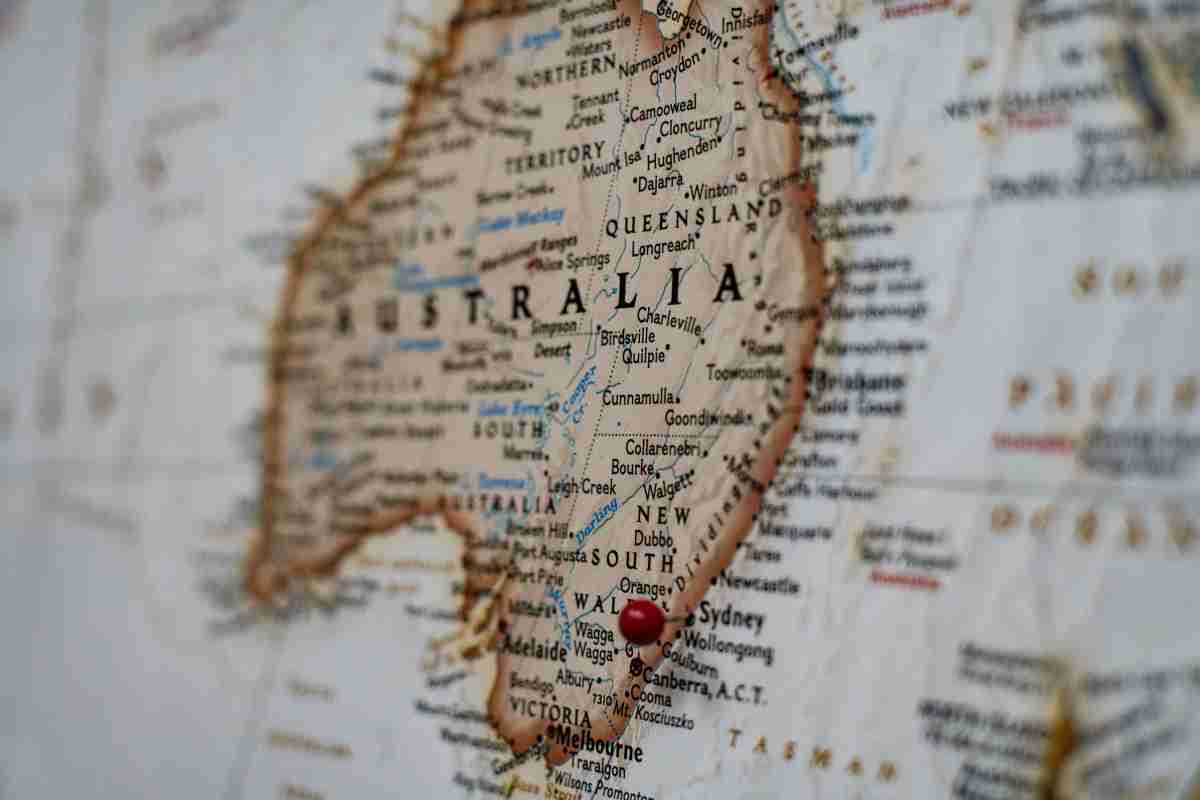
Pic Courtsey-Joey Csunyo at unsplash.com
(The views expressed are those of the author and do not represent views fo CESCUBE.)

Mahima has studied politics with specialization in international politics at Jawaharlal Nehru University. Research interests include security studies, Chinese history and politics and international political economy.