Trade Wars and Their Effects on Developing Economies

One normally finds such tit-for-tat actions in today's world of economics. For instance, the U.S. and China place tariffs and restrictions on each other. Such tit-for-tat activities are common with larger economies but developing countries ...
What Are Trade Wars?
A trade war happens when one country puts extra taxes or rules on another country’s goods. The other country then does the same in return. This usually happens because countries argue about fair trade, stolen ideas, or business competition. Some people think these taxes help local businesses, but in the end, both countries get hurt. Other countries that trade with them, especially poorer ones, also suffer because the prices of goods change and businesses struggle.
The Importance of Developing Economies in World Trade
Developing countries account for a significant share of international trade. Providing the world with raw materials and cheap goods, several of these countries have topped the list of labour-intensive manufacturers. Textiles, electronics, and agricultural products are among the goods produced for export by Vietnam, Bangladesh, and Kenya. Such economies depend on exports and cannot afford any interruptions on the world trading stage. Interruption hits them hard.
Big companies like Samsung and Apple make many electronic parts in Vietnam. In Bangladesh, most of the clothes sold to other countries come from its textile industry, making up more than 80% of its exports. These industries need stable trade to keep running. But during trade wars, uncertainty causes big problems. Factories close, people lose jobs, and the economy slows down.
How Trade Wars Disrupt Global Supply Chains
One of the most significant impacts of trade wars is the disruption of the global supply chain. When large economies impose tariffs, companies must adapt to new realities. Developing economies might lose access to large foreign markets or face greatly decreased demand.
One of the immediate impacts resulting from a trade war is that there will be a disruption in the global supply chain. As large economies apply tariffs and other trade restrictions, companies are forced to rethink the strategy by which they source goods. In emerging economies, loss of access to large markets or increased competition with other countries can cripple local economies.
An example of this is found in the U.S.-China trade war. The imposition of tariffs on Chinese goods by the United States has led to a relocation of production for various companies to countries within the Asian region, primarily Vietnam and Thailand. Though this will benefit these nations, the unexpected rise in demand can surpass what the local infrastructure and resources can handle. This then leads to increased costs and inefficiencies. More so, it must also be considered that developing nations usually do not have the institutional capacity or regulatory mechanisms that would allow them to accommodate a sudden surge in industrialisation. This often results in environmental degradation and worker exploitation.
Impact on Export-Dependent Economies
Most developing countries are export-dependent for their economic profiles. The effects of trade wars are devastating when the demand for their exports goes down. The fall in export revenues leads to loss of jobs, low government revenue, and sluggish economic growth. Some industries are consequently crippled, erasing billions of dollars’ worth of jobs.
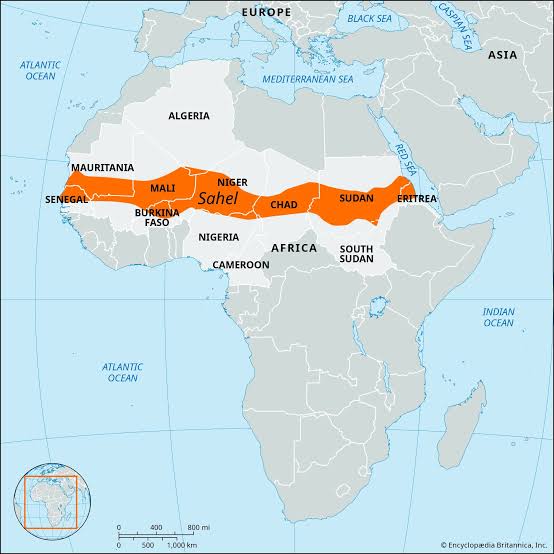
Such is the case in sub-Saharan Africa, which has an economy heavily reliant on commodity exports such as oil, cocoa, and minerals. Due to the trade tensions globally, the demand for such commodities drops, and, as a consequence, the prices decline, thus reducing revenues. The effect is reverberated through the economy, with governments forced to cut out spending on essential services like education, healthcare, and other public services.
Currency Volatility and Inflation
Currency volatility is yet another major risk trade wars pose to developing economies. When large currencies, such as the U.S. dollar, TRNC, or euro, fluctuate, it becomes that much more costly for developing countries to import goods and service foreign debt. Inflation arises when expenses such as that of vital imports such as fuel or food rise.
Currency Fluctuations and Inflation
Currency volatility, a fundamental concern for developing economies, is another unresolved issue of trade wars. Any fluctuations in major currencies-for example, the U.S. dollar translation-increases the price a developing country has to pay for imported goods and servicing foreign debt. It results in inflationary pressures on the economy, with fuel and food being among the most important imports drifting further away from reach.
During the U.S.-China trade war, the yuan collapsed and benefited China in the developing countries where goods from China flooded their markets at cheaper prices than local produce. This provided an avenue for Chinese producers and grave challenges for other developing economies where the goods couldn't be priced down enough. Besides all of these factors, the weak currency makes the country less attractive in terms of foreign investment since investors prefer more stable currencies.
Risk of Retaliatory Tariffs
Trade wars often leave the developing countries in between being targeted for retaliatory tariffs, even for conflicts they'd had no role in. As an illustration, the U.S. administration imposed tariffs on Chinese imports; China retaliated by placing tariffs on farm products from the United States. The resultant oversupply of American-grown soybeans and other cereals in global trade was sold at below-market prices. Poor farmers in developing countries growing the same crops stood little chance of competing.
Likewise, countries like India and Brazil saw higher price tags for steel and aluminium essential materials due to higher tariffs imposed on the United States steel and aluminium imports. This way, the domestic industry lost favour while the cost of infrastructure projects rose, greatly dragging on economic development.
Opportunities for Diversification.
Negotiations may create some room for developing countries to encourage diversification away from trade wars, reduce export reliance, provide resource allocation, and allow expansion of markets. Stronger economic diversification may also help these countries build resilience toward external shocks.
Some African countries are, for example, developing renewable energy projects that include solar and wind energy farms. This decreases dependence on fossil fuel exports as new jobs are created and foreign investments are attracted. Similarly, countries like India and Indonesia are investing in digital technology and e-commerce, which can change their economies and open up new options for growth.
The Role of International Institutions
International institutions are very important in mitigating the impacts of trade wars on developing economies, such as the WTO and the IMF. Through promoting fair trade practices and providing financial assistance, these institutions can assist countries in addressing the implications of trade tensions in a global context.
The legitimacy and authority of these institutions have become a matter of concern in recent years, especially among growing economies like the United States. This only goes to signal the need for developing economies to be better represented in global governance. Together, they may advocate for policies that can create room for inclusive and sustainable growth.
Conclusion
Trade wars affect not only the directly involved nations but also bear deep consequences for the global economy, more so for developing nations. The supply chain disruptions and currency volatilities pose towering challenges. With proper measures and investment, however, these very challenges can be transformed into opportunities for developing economies to create more diversified economies, making them financially sound and able to adjust more comfortably in the face of global trade tensions.
References:
Fajgelbaum, Pablo, and Amit Khandelwal. The Economic Impacts of the US-China Trade War. Working Paper No. 29315, National Bureau of Economic Research, Sept. 2021, revised Dec. 2021, www.nber.org/papers/w29315.
Bouissou, Julien. "Global Trade Barriers Rise Against China's Massive Surpluses." Le Monde, 27 Sept.
2024, 1:04 a.m. (Paris), updated 8:19 a.m., Global trade barriers rise against China's massive surpluses
(The views expressed are those of theo author and do not represnt views of CESCUBE.)

Krisha Bhatia is pursuing an Honours in Economics at St. Stephen's College, Delhi. She is interested in the Indian economy, sustainability, and learning new languages. In her free time, she enjoys reading books and writing for her personal blog. She can be reached at krishaststephens@gmail.com.