Understanding U.S. Indo-Pacific Strategy
The Indo-pacific region accounts for half of the world's population and grown as important in recent decades. The region is getting substantial attention from the United States in recent decades and actively taking part with number of count...
This article is a brief analysis of the document and the strategy of U.S. for Indo-Pacific. The United States' new strategy for Indo-Pacific, Free and Open Indo-Pacific has been announced by the white house on 11 Feb. the U.S. has been using the hub and spoke system to try and bring balance in a region that it is focusing on. The U.S.(Hub) will try to make this balance by various political, economic, and military commitments with the countries in the region (Spokes). But now we can see some transformation in this policy because of the steps towards greater connectivity between all of the partners.
One of the main drivers of the Indo-Pacific strategy is Rise of China. The document states that the American focus is intensifying because of the mounting challenges Indo-Pacific facing particularly from PRC.
The strategy document portrayed China using the below lines:
“The PRC is combining its economic, diplomatic, military, and technological might as it pursues a sphere of influence in the Indo-Pacific and seeks to become the world’s most influential power.” [1]The U.S. states that its objective is not to change the People’s Republic of China but to shape the strategic environment in which it operates, and it will achieve this objective by building balance of influence in the world where it is most favoured to the United States, its allies and partners, and the interests and values they share. China is a country that doesn’t recognise Indo-pacific as a region, a region that doesn’t come into focus as a region if it wasn’t for China’s rise.
The United States think collective action is the key to their new U.S. Indo-Pacific strategy. they laid out 5 of its main objectives in the region, In the document released in February 2022.
· Advance free and open Indo-Pacific
· build connections within and beyond the region
· drive regional prosperity
· bolster Indo-Pacific security
· build regional resilience to transnational threats
these policies are consistent with the previous administrations, they might have been in different terminology and in different order but the crux of the five pillars is consistent with the previous administrations. This is an articulation what has been a broad orientation in the U.S. foreign policy for some time.
As part of their partner to build resilience in the pacific Islands action plan the U.S. will work towards establishing multilateral strategic grouping that supports the countries in Pacific Islands. They also said that “We will focus on every corner of the region from North-East Asia and Southeast Asia to South Asia and Oceania including the Pacific islands”[2]
According to U.S. “Indo-pacific nations are helping to define the very nature of the international order, and U.S allies and partners around the world have a stake in its outcomes”[3]
There are a few things that U.S. can do regarding Indo-Pacific to get more positive response to its strategies
· Make itself available as a credible alternative to China, as the China is the biggest economy in the region and lot of countries have deep economic ties with the country.
· Giving them freedom of action.
· Partnership of equals
Indo-Pacific strategy action plan:
· Drive new resources to the Indo-Pacific
· Lead an Indo-Pacific economic framework
· reinforce deterrence
· Strengthen an empowered and unified ASEAN
· Support India’s continued rise and regional leadership
· Deliver on the QUAD
· Expand U.S.-Japan-ROK cooperation
· Partner to build resilience in the pacific islands
· Support good governance and accountability
· Support open, resilient, secure, and trustworthy technologies
The significant points from this action plan are covered below
Previous and current administrations placed value to India’s position in Indo-Pacific and looking to India increase its engagement in the region to help offset the growing influence and power of China, Biden administration recognises India as “Driving Force for the quad and an engine for regional growth and development.
The economic component framework is mentioned in the document, but it didn’t publish much more details on that, the world is looking out for if the framework is going to be robust enough decrease economic dependency on China in the region. The strategy document is really long and comprehensive, but it didn’t elaborate on a lot of promises mentioned in the document, for example under “Bolster Indo-Pacific Security” it reads “We will more tightly integrate our efforts across warfighting domains and the spectrum of conflict to ensure that the United States, alongside our allies and partners, can dissuade or defeat aggression in any form or domain.”[4] But the document didn’t mention what role the United States will play and what role its allies will play when the situation rises, which needs a larger discussion.
The United States is trying to transit the security situation in the region into a much more co ordinated terms with their allies and partners to efficiently utilize all the resources. The document was released on the day of Russia’s invasion into Ukraine, the current policy in many ways is trying to bring the countries together for global sanctions and deterrence. Many Indo-Pacific countries-imposed sanctions against Russia. Speaking of deterrence, the United States is planning to strengthen and reinforce the deterrence, by military and technology cooperation. The document also said that “We will modernize our long-standing alliances, strengthen emerging partnerships, and invest in regional organizations—the collective capacity that will empower the Indo-pacific to adapt to the 21st century’s challenges and seize its opportunities”. The U.S. also planning to be more active in the ASEAN, they are trying to increase their engagement with ASEAN, they are also planning to hold an ASEAN summit in Washington D.C in future. They are also aiming to implement more than $100 million in U.S.-ASEAN initiative. The action plan of QUAD does not include China as an objective or any other security related objectives were mentioned in there, currently the objectives are to handle the pandemic and better distribution of vaccines, green shipping networks, and technology cooperation, climate responses.
Most of the information in the document released is already available in the public domain, and it did give an idea of the U.S. plans for the Indo-Pacific, but it didn’t fully explain how the U.S. is going to implement it. There is a lot of potential for Indo-Pacific strategy of U.S. from the policies which are being carried forward from administration to administration but there is much more potential than those policies in the region with the nee developments in Ukraine and China-Russia de facto alliance. Unlike before the language of the countries in the region towards China is also changing, the countries were more sceptical about being in a situation where they have to chose between the U.S. and China, but the attitude of the region towards China is changing because of it land and sea territorial disputes, and influence in other country’s politics.
The document was concluded by saying “as we enter a decisive decade that holds considerable promise and historic obstacles for the Indo-pacific, the American role in the region must be more effective and enduring than ever.”[5]
Notes
[1] https://www.whitehouse.gov/wp-content/uploads/2022/02/U.S.-Indo-Pacific-Strategy.pdf
[2] Ibid
[3] Ibid
[4] Ibid
[5] Ibid
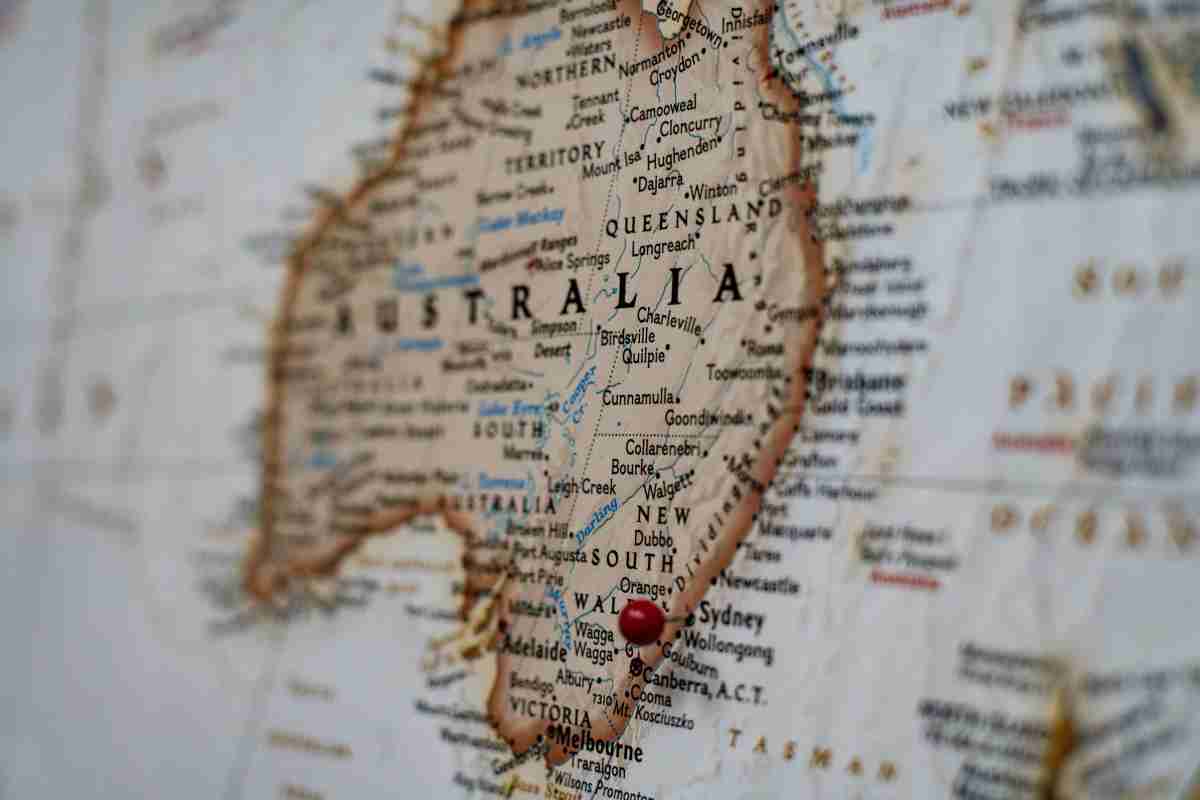
Pic Courtesy-Joey Csunyo at unsplash.com
(The views expressed are those of the author and do not represent views of CESCUBE.)

Sharath Kumar Kolipaka is doing a masters degree at Jindal School of International affairs, specializing in national security and peace and conflict studies.