US-India Space Cooperation: Is there a momentum?
India and the United States have a long history of cooperation in various fields, and the space sector is no exception. The two countries have been collaborating in space activities for several decades, and the partnership has grown signifi...
Recently, both countries have further agreed to strengthen their space cooperation in several areas, including human space exploration and commercial space partnerships, as part of the “initiative on critical and emerging technology,” which is simply an initiative announced by President Biden and Prime Minister Modi in May 2022 to elevate and expand the strategic technological collaboration and defence industrial cooperation between the two countries' governments, corporations, and academic institutions. The agreement was reached during the eighth meeting of the U.S.-India Civil Space Joint Working Group (CSJWG), which took place on January 30-31, 2023. This collaboration between India and the US comes at a crucial time for both countries, as they seek to leverage their strengths in space technology and explore new opportunities for cooperation.
In this context, this article aims to first explore the key outcomes of the CSJWG, and then the following section will discuss the significance of US aid in enhancing India's capabilities in the space sector. Additionally, the section will highlight potential challenges that may arise as the two countries pursue increased cooperation.
Key Outcomes from the U.S.-India Civil Space Joint Working Group Meeting
As per the White House, during the US-India Civil Space Joint Working Group meeting, the two countries agreed to deepen their technology partnership and collaborate in human spaceflight (House, 2023). In addition, they will
- Establish exchanges that will include advanced training for an Indian astronaut at NASA Johnson Space Center.
- The countries will also identify innovative approaches for the commercial sectors to collaborate, specifically related to NASA’s Commercial Lunar Payload Services project. NASA and the ISRO will also collaborate with U.S. CLPS companies and Indian aerospace companies in the next year to move forward with this initiative.
- A new exchange programme for STEM talent will be launched by both countries as they expand the scope of the existing Professional Engineer and Scientist Exchange Program (PESEP) to encompass space science, Earth science, and human spaceflight. Additionally, NASA will extend a regular invitation to ISRO to participate in their biannual International Program Management Course.
- Both countries will enhance their bilateral commercial space partnership by launching a new initiative led by the U.S. Department of Commerce and the Indian Department of Space, which will be under the U.S.-India Civil Space Joint Working Group. The initiative aims to promote U.S.-India commercial space engagement as well as facilitate growth and partnerships between the commercial space sectors of the two countries.
- The agenda of the U.S.-India Civil Space Joint Working Group will be expanded to encompass planetary defense.
Closer Partnership with the United States: Ways India Can Benefit
India has long been engaged in space exploration, but the nation's ambitions have grown significantly in recent years. In order to achieve its goals, India needs access to advanced technology and resources, which can be provided by the United States. This cooperation will help India in several ways.
Firstly, the United States has advanced space technology and resources that can help India to enhance its capabilities in the space sector. The US has a well-established space industry with extensive experience in human spaceflight, satellite communication, remote sensing, and other areas. Collaborating with the US will enable India to access this technology and expertise, which will help to boost its space program.
Secondly, space collaboration with the US can open up new avenues for joint research and development in areas such as advanced propulsion, robotics, and artificial intelligence. This can help to drive innovation and create new opportunities for economic growth in both countries.
Thirdly, space cooperation with the US can help India to address challenges related to space security, such as the mitigation of space debris and the promotion of responsible behaviour in space. The US has significant expertise in this area, and collaboration can help to address common challenges that are faced by both countries.
Finally, space cooperation with the US can enhance India's global standing and enable it to play a more significant role in international space initiatives. This can help to boost India's reputation as a leader in the space sector and strengthen its diplomatic ties with other countries.
While there are significant benefits to collaboration between India and the US, there are also challenges that both countries have faced previously and that may hamper their continued cooperation in space. For instance, one of the challenges in India-US space cooperation has been related to the mismatch between US and India's interests and capabilities in outer space. For example, the US has a strong focus on national security and military applications in space, while India's priorities are more geared towards commercial and scientific interests. Additionally, the technological capabilities of the two countries differ, which can create difficulties in collaboration on certain projects.
Further, US and India's concerns about national security in the past have prevented enhanced space cooperation between the two countries. This is due to a variety of factors, including the sensitive nature of certain technologies and the need to safeguard national security interests. Moreover, American companies are facing challenges getting regulatory approval in India to expand their services, such as SpaceX, which is trying to offer its Starlink broadband service. This could slow down the expansion of commercial space activities between the countries (Foust, United States and India expand civil space cooperation, 2023).
Conclusion
The space cooperation between India and the United States holds significant potential for advancing space exploration, technology, and innovation. While challenges may arise, these can be addressed through dialogue and cooperation. The two countries must work together to navigate these challenges and ensure that the benefits of space collaboration are realized for both nations.
References
- Foust, J. (2023, February 04). United States and India expand civil space cooperation. Retrieved from Space News : https://spacenews.com/united-states-and-india-expand-civil-space-cooperation/
- House, T. W. (2023). FACT SHEET: United States and India Elevate Strategic Partnership with the initiative on Critical and Emerging Technology (iCET). Washington : The White House .
- satyanath, P. (2023, February 13). India-U.S. space cooperation, from handshake to hug. Retrieved from The Hindu : https://www.thehindu.com/opinion/op-ed/india-us-space-cooperation-from-handshake-to-hug/article66501143.ece
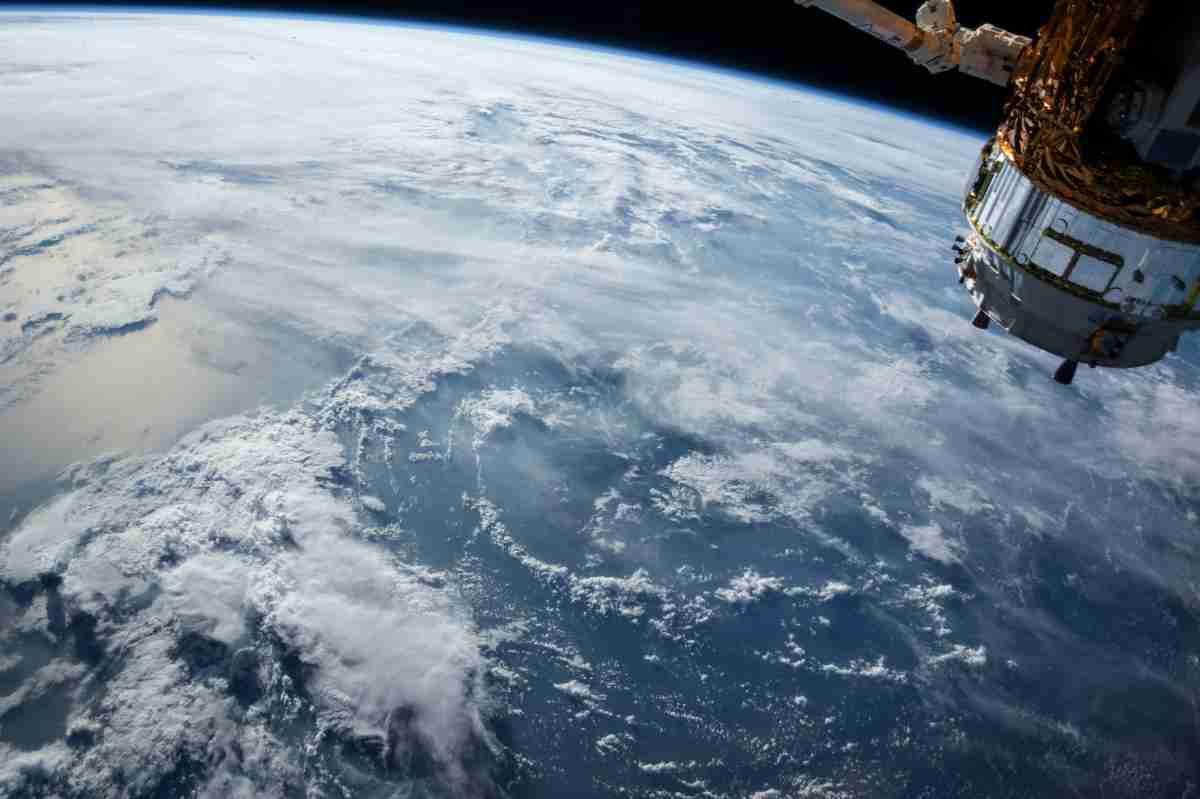
Pic Courtsey-NASA
(The views expressed are those of the author and do not represent views of CESCUBE.)

Neha Dayma has recently completed her Masters in Politics with Specialization in International Studies from Jawaharlal Nehru University. She is a political science graduate and also a current intern at Online Foreign Policy School. Her areas of interest include South- East Asia, West Asia, geopolitics, Indo- Pacific and India's foreign policy.