Vibrant Gujarat Global Summit 2024: A Showcase of Technological Prowess and Global Partnerships

The tenth edition of the Gujarat Global Summit was held in Gandhinagar in January 2024. It was a significant moment in India's advancement as an economic power and an outward looking nation. It also exhibited the state's attractiveness as a...
The signing of over 41,299 Memoranda of Understanding during the event was a major milestone in the country's economic development. It amounted to a total investment of over Rs 26.33 lakh crore, which highlighted Gujarat's growing status as a leading investment destination and the summit's role in the country's growth. The cumulative impact of these investments, surpassing Rs 45 lakh crore across 98,540 projects, represents a substantial leap from the previous summit in 2022, where MoUs for 57,241 projects worth Rs 18.87 lakh crore were signed. This remarkable growth trajectory, especially following the postponement of the 2022 summit due to the COVID pandemic, highlights the resilience and attractiveness of the Indian economy.
The summit's success also aligned with the country's broader objectives. It encouraged Gujarat's business leaders to expand their operations into Northern India, specifically Kashmir. This was a clear message from Prime Minister Narendra Modi, who is focused on integrating Kashmir into the country's developmental and economic mainstream. The objective of the initiative is to strengthen the country's integrity and unity while attracting new investments. This was reinforced by the message from Manoj Sinha, the lieutenant governor of Kashmir. He stated that investing in the state would help strengthen India's integrity and unity. Hence, Gujarat Global Summit provided an opportunity for the state's business leaders to showcase their potential and participate in the country's strategic development and economic integration.
Emphasis on New-Age Technologies and Semiconductors:
The summit's emphasis on new-age technologies was carried out by the inauguration of a semiconductor assembly and testing facility in Sanand. This was a clear indication of the state's growing status as a leading semiconductor hub. N Chandrasekaran, the chairman of Tata Sons, announced that the company would establish a major semiconductor facility in Dholera. This project, which is expected to start operations in 2024, would place India and Gujarat at the forefront of the global semiconductor industry.
Three major agreements were signed in the semiconductor sector, including one by Simmtech from South Korea. The company's plan to establish a manufacturing facility in Sanand with an investment of about Rs 1,250 crore, which is a significant addition to Gujarat's growing semiconductor industry. Other agreements were also signed between various organizations, such as Gandhinagar, NAMTECH, Cisco, and Micron Technology. These collaborations are aimed at creating the first Indian-made semiconductor device.
Renewable Energy: A Leap Towards Sustainable Development
The renewable energy sector secured contracts worth over Rs 1.5 lakh crore, which highlighted the summit's commitment to sustainable practices. One of the major agreements was the memorandum of understanding (MoU) signed by Tata Power Renewable Energy, which aimed to establish 10,000 MW of hybrid power projects in Gujarat. Other companies such as Opera Energy, Solairedirect Energy, Opera Renewables, and Serentica Renewables also signed the agreements, which highlighted the state's efforts to become a hub for green energy.
NTPC Green Energy Limited’s MoUs with GSPC and Gujarat Pipavav Port Limited for promoting green hydrogen mobility further underscored the state's initiatives in sustainable energy development.
The Local and Global Impact
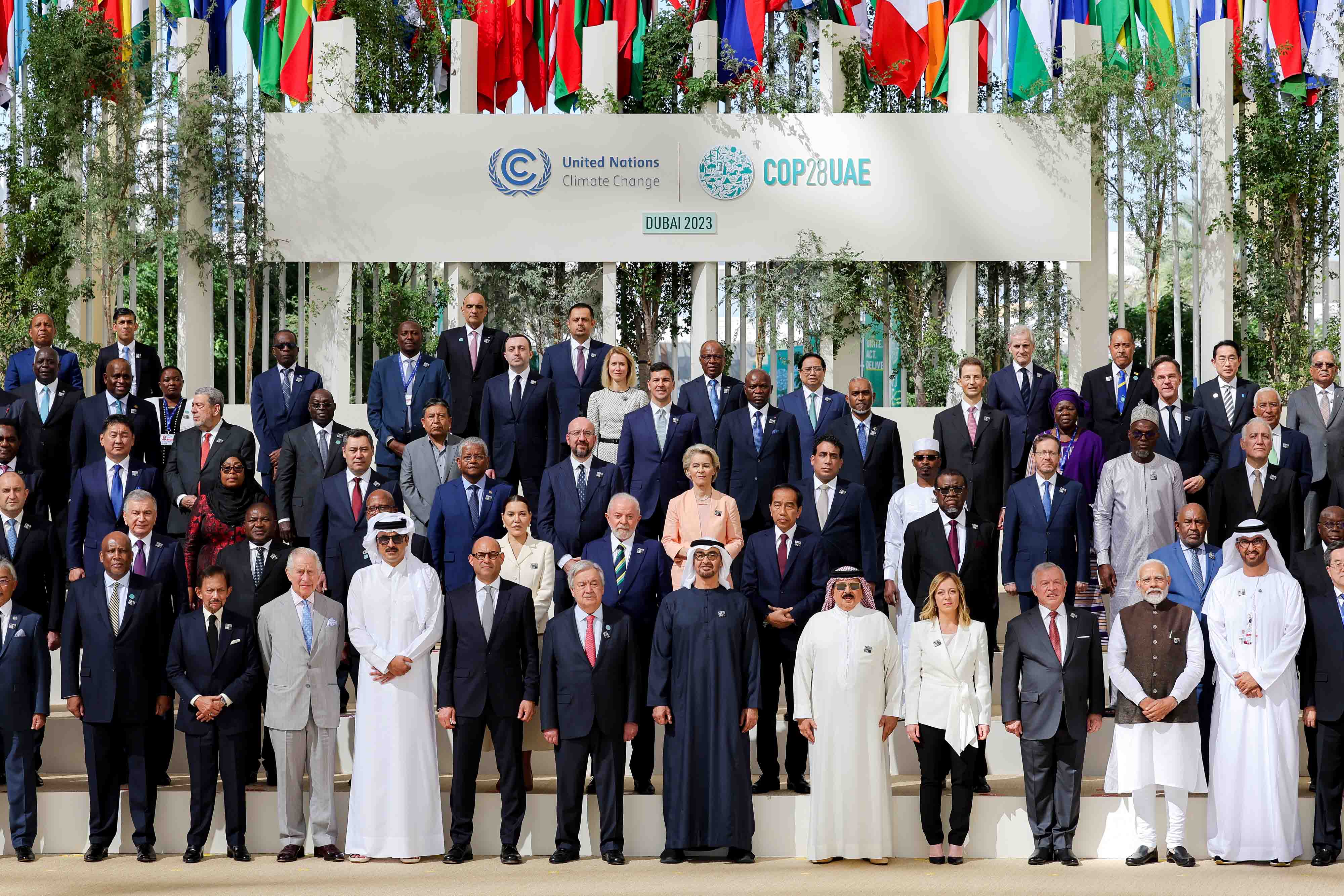
The presence of prominent global figures such as Mohamed bin Zayed Al Nahyan, Gautam Adani and Mukesh Ambani, reinforced the summit's international appeal. Over 61,000 delegates from various countries, including 35 partner nations, participated in the event.
One of the key issues that the summit tackled was the employment benefits provided to local residents. Eight Memoranda of Understanding were signed for skilling the workforce for Industry 4.0. The green power cluster of Gujarat, which is expected to be the world's largest, provides immense prospects for talent generation and the semiconductor industry. The event also reflected the global nature of current political and economic situation, speculating Tesla's possible involvement in the state of Gujarat, despite its not being realized, highlighted the country's growing interest in the electric vehicle (EV) market.
The success of the VGGS 2024 was a testimony to the growing stature of India and Gujarat in the global technological and economic arena. The event's focus on renewable energy, high-tech, and semiconductor technology helped pave the way for the country's emergence as a leader in this field. As the summit continues to evolve, it will continue to serve as a valuable platform for the country's technological and economic growth. The summit's narrative was built around India's ancient history and its future aspirations, such as the country's vision of "Viksit Bharat" by 2047. This approach allowed the audience to connect with the event and its message. Gujarat has transformed from a traditional manufacturing state to an innovation and investment destination. Chief Minister Bhupendra Patel and Union Home Minister Amit Shah's speeches at the event highlighted the state's growth story and its ability to become a prominent part of the country's technological and economic development.
Conclusion:
The constant focus on Gujarat's development, from being called a "dark spot" to being regarded as a "vibrant place" on the global map, reinforced the state's positive brand image. Therefore, the presence of global leaders and delegates at the summit highlighted India's growing presence in the international arena. It allowed the country to discuss its views on various global issues and engage in diplomacy at an international level. The VGGS 2024 positioned India as a global leader, not just in economic growth but also in different fields like digital revolution, education, and renewable energy. Whereas, the references to Gujarat's structural reforms, which were carried out under Prime Minister Modi's leadership, reinforced the commitment of the state to improving its economic and governance performance. Lastly, the summit's discussions on various topics, such as space and fisheries investment, indicated the state's commitment to developing a comprehensive policy framework that will help boost the growth of these sectors and the theme of 'One Earth, One Family, One Future' underlined India's commitment to policies that promote inclusive and sustainable growth, aligning with global developmental goals. This summit, thus, stands as a testament to India's aspirations and capabilities, heralding a new era of global engagement and domestic transformation. As India strides towards the vision of 'Viksit Bharat', events like the Vibrant Gujarat Global Summit play a pivotal role in shaping its journey and its narrative on the world stage.
Pic Courtsey-Federic Beccari at unsplash.com
(The views expressed are those of the author and do not represent views of CESCUBE.)
Vaibhav Tomar is pursuing his MA in Environment and politics , and done his MBA from Narsee Monjee Institute of Management Studies, Mumbai. His Key interest areas are International relations, maritime security, defence strategies, foreign policies etc. Email: vtomar866@gmail.com